


Regular books perform normally
The original spine glue works reasonably well for standard offset paper books, with no obvious issues right after binding.
Customer Case Details
Thick paper books have high stiffness and concentrated spine stress. Standard spine glue tends to reveal page drop-out, cracking and glue fracture issues after trimming, page-turning and storage. We re-matched a spine glue solution better suited for thick paper binding, focusing on paper penetration, page pull strength, spine flexibility and production pace.
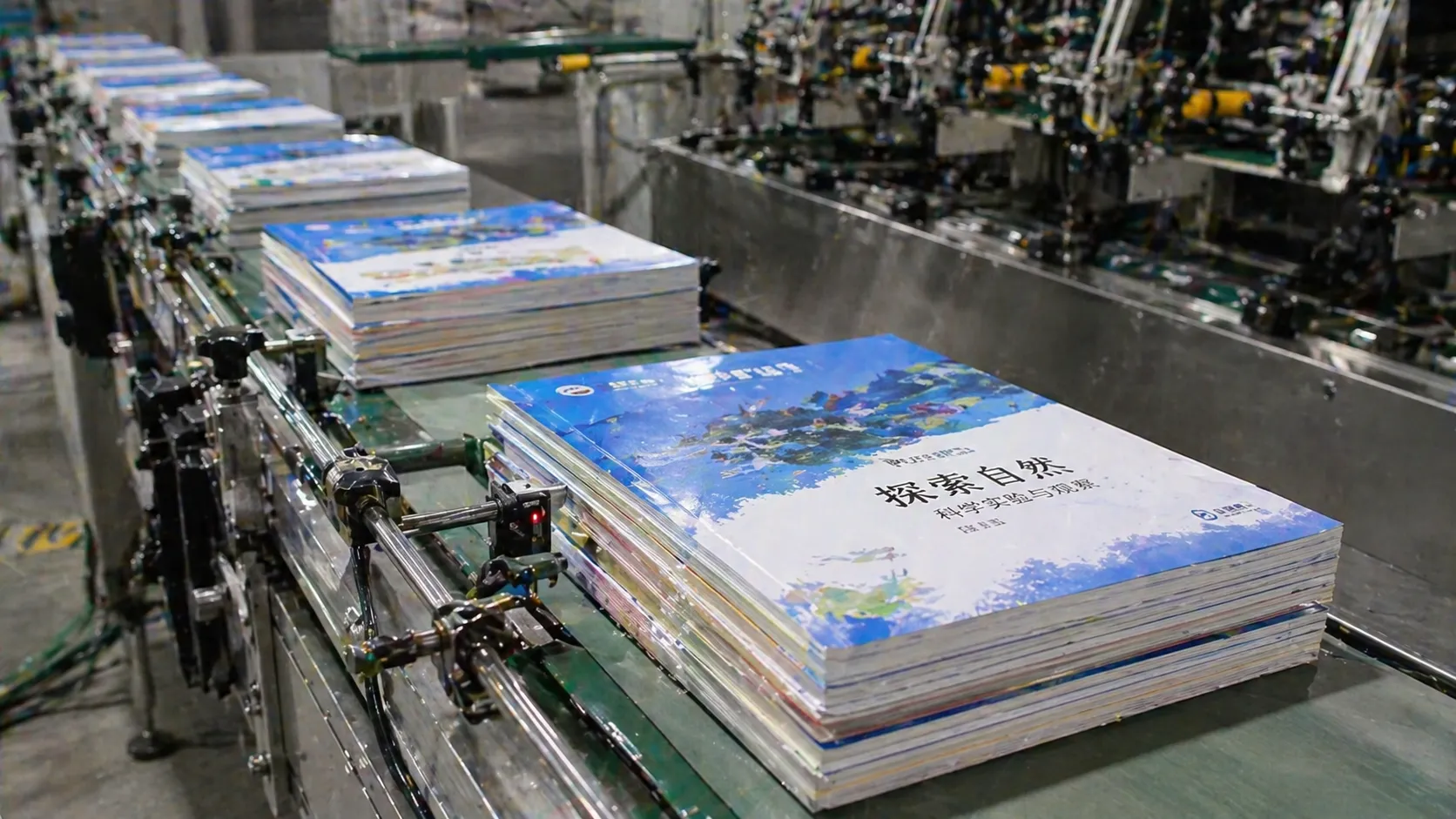
Application Site
Thick Book Core, Spine Glue & Page-Turning Stability
Application
Thick Paper Book Perfect Binding
Paper Type
Coated Paper / Matte Paper / Laminated Paper / High-Grammage Paper
Customer Problem
Page drop-out, spine cracking, stiff page-turning, spine glue fracture
Solution Adhesive
Thick Bookbinding Spine Glue Hot Melt Adhesive
Case Background
The client is a bookbinding factory primarily handling children's picture books, art albums, textbooks and thick paper bookbinding orders. The original standard spine glue performed acceptably on offset paper books, but with high-grammage, coated, matte or laminated paper, page drop-out, spine cracking, stiff page-turning and spine glue fracture began appearing after trimming, page-turning and storage.
The original spine glue works reasonably well for standard offset paper books, with no obvious issues right after binding.
With high-grammage, coated, matte or laminated paper, page drop-out, cracking and glue fracture begin appearing after trimming, page-turning and storage.
Site Problems
Thick paper bookbinding is more about the combined effect of paper, spine milling, glue penetration, production pace and page-turning mechanics. Adjusting only milling depth or glue thickness rarely solves page drop-out and spine bursting stably.
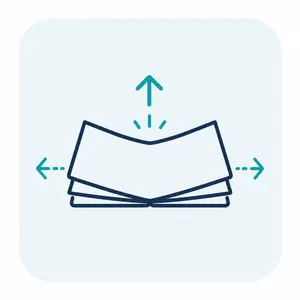
Thick paper concentrates more tension at the spine during page-turning; the glue layer must withstand greater bending and pulling forces.
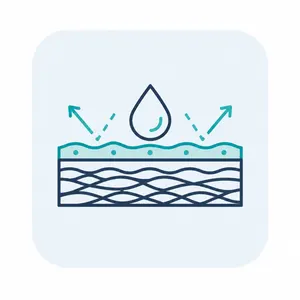
Coated, matte or laminated paper surfaces are relatively dense. If spine glue only stays on the surface, shallow bonding and page drop-out become likely later.

Spine glue must complete application, penetration, pressing and initial setting within a limited time window — the process window cannot be too narrow.

A too-hard glue layer tends to crack and split at the spine, while a too-soft one compromises page pull strength and block fixation.
Core Conflict
Core Conflict 1
Thick paper books need spine glue to fully enter the spine fibers for stable page fixation; but the production line runs fast, and the glue cannot keep an excessively long open time. Setting too fast risks shallow bonding; setting too slow disrupts trimming, stacking and subsequent rhythm.
Core Conflict 2
Thick paper books demand high page pull strength; the glue layer must have sufficient cohesive strength to fix the pages. But thick books open at wide angles, and the spine undergoes repeated bending. An overly hard glue layer easily cracks and fractures, while an overly soft one allows pages to loosen or fall out.
Analysis Direction
Spine glue isn't better when thicker, nor stronger when harder. Thick paper books require evaluating paper structure, milling condition, glue flow, open time and page-turning mechanics together.
Confirm the ratio of offset paper, coated paper, matte paper or laminated paper; assess paper fiber openness and surface density.
Observe spine milling depth, roughening effect and paper fiber exposure; determine whether the spine glue has penetration conditions.
Evaluate flowability at application temperature; avoid excessively high viscosity causing shallow bonding, or excessively low viscosity providing insufficient layer support.
Consider equipment speed, application time, pressing time and trimming rhythm; determine whether the setting speed suits on-site production.
Monitor both the glue layer bending performance and page fixation strength; avoid improving hardness at the expense of page-turning feel.
Solution Development Process
Rather than directly recommending standard spine glue to the client, we re-adjusted the adhesive type around the stress characteristics of thick paper books, and gradually converged on a formulation suitable for on-site production through three rounds of samples.
Focus on improving the spine glue’s penetration and initial tack performance on thick paper spines; observe page pull strength and glue layer adhesion on different paper types.
Adjust the polymer and resin system to balance glue layer cohesive strength and flexibility, reducing the risk of cracking when thick books are opened.
Optimize open time, setting speed and application window based on the client’s equipment temperature and production pace, so the glue fully penetrates without disrupting trimming and stacking.
Final Solution
This adhesive isn't simply about increasing hardness; it balances spine penetration, page pull strength, glue layer flexibility and production pace. It forms a relatively stable application state at the client's existing equipment temperature and production speed, while offering better penetration and anchoring on thick paper spines.
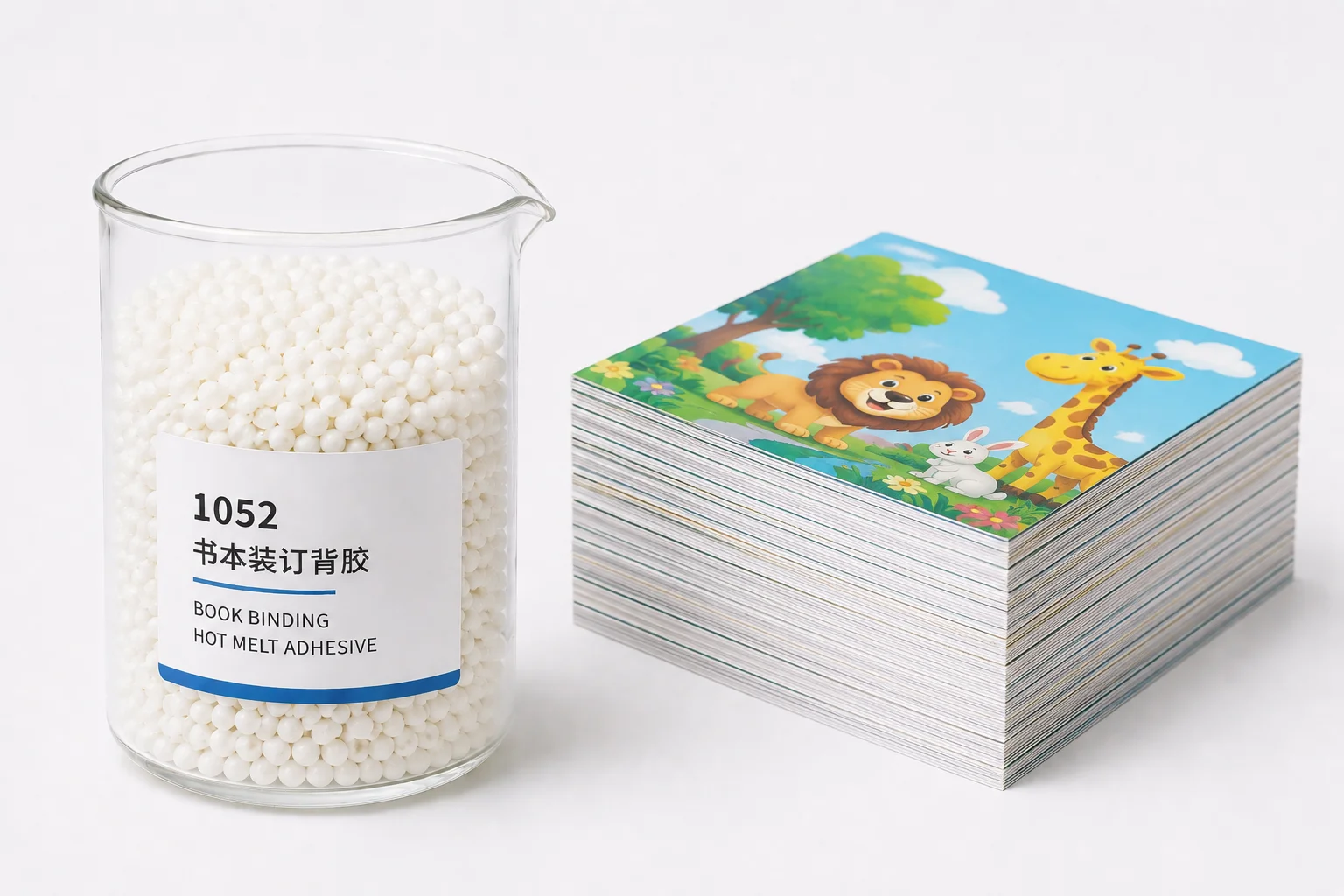
Recommended Adhesive

Improved ability of spine glue to enter spine fibers, reducing shallow bonding and weak adhesion.

Enhanced page fixation, lowering the risk of page drop-out after trimming and page-turning.
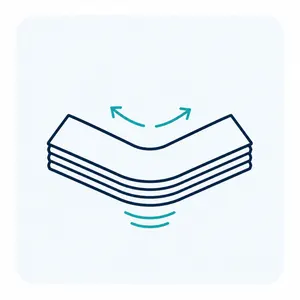
Improved spine bending performance when thick books are opened, reducing spine bursting and glue fracture.
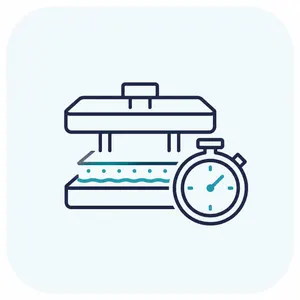
Matches equipment temperature, application time, pressing time and trimming rhythm.
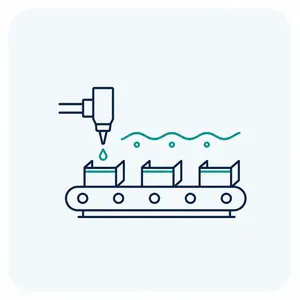
Reduced batch-to-batch spine adhesion inconsistency, glue line fluctuation and frequent equipment adjustment.

Avoids simply hardening the glue, making thick book page-turning smoother and more natural.
Improvement Results
After trimming and page-turning of thick paper books, page fixation is more stable and the risk of page drop-out and loosening is reduced.
Improved glue layer flexibility means the spine is less likely to crack or fracture when thick books are opened.
The spine doesn’t become excessively hard from simply increasing hardness; thick books turn pages more smoothly.
The adhesive type adapts to the client’s existing binding equipment and production pace, reducing the need to frequently adjust temperature, glue volume and line speed.
The key to this case is not simply making the spine glue harder, nor blindly increasing viscosity, but truly matching the adhesive type to the thick book's paper structure, milling condition, production pace and page-turning mechanics.
For thick paper bookbinding, spine glue must simultaneously balance penetration, strength, flexibility and setting speed. Only by considering the paper, equipment, process and end-use experience together can books bond firmly, turn smoothly, resist page drop-out and avoid spine cracking.
Project Inquiry
If your thick paper books, art albums, picture books or textbooks show page drop-out, spine bursting, glue fracture or stiff page-turning after trimming, page-turning or storage, send us your paper grammage, book thickness, milling method and equipment parameters. We'll assess whether spine glue penetration, strength and flexibility need re-matching based on sample book condition.