

01
Viscosity
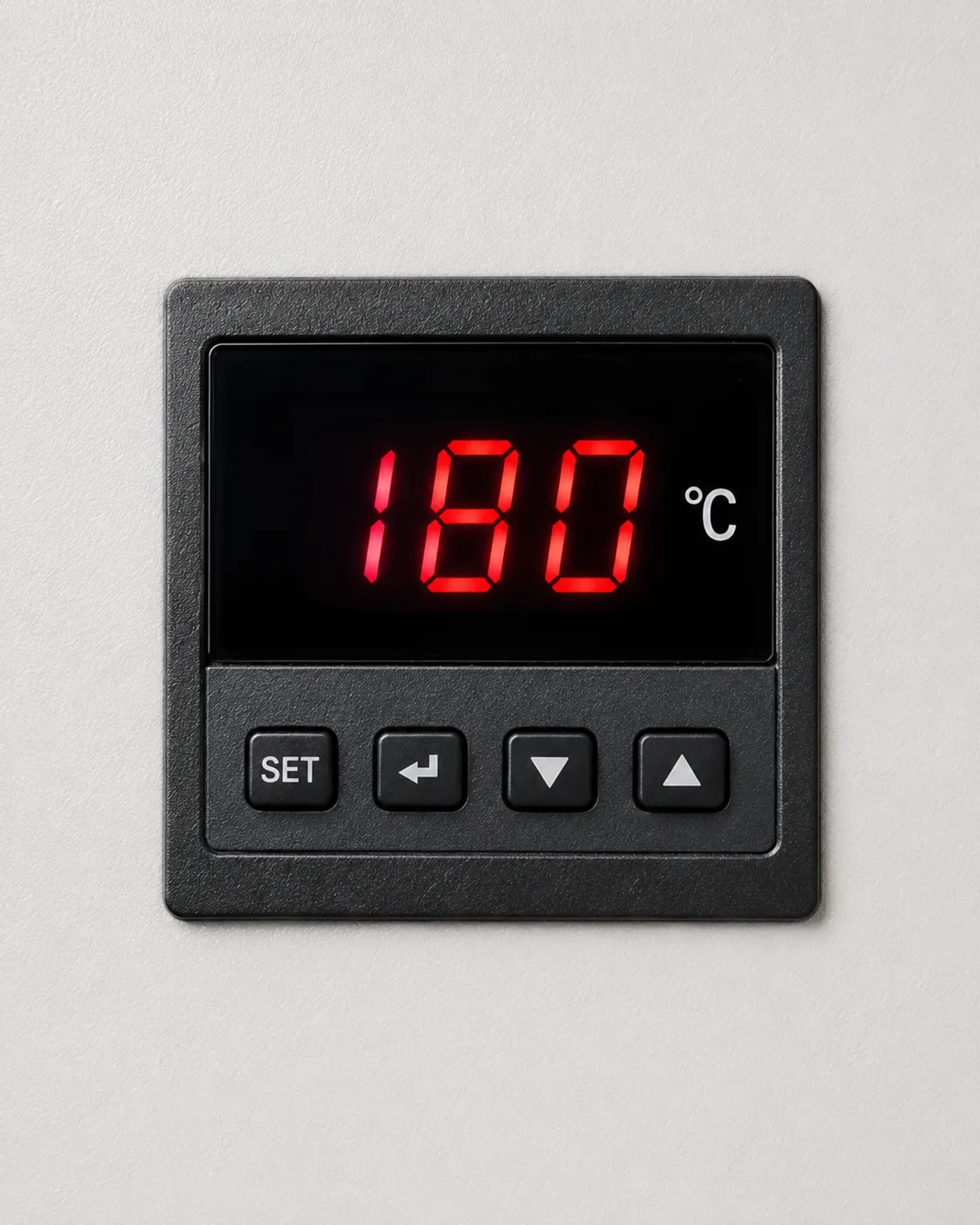
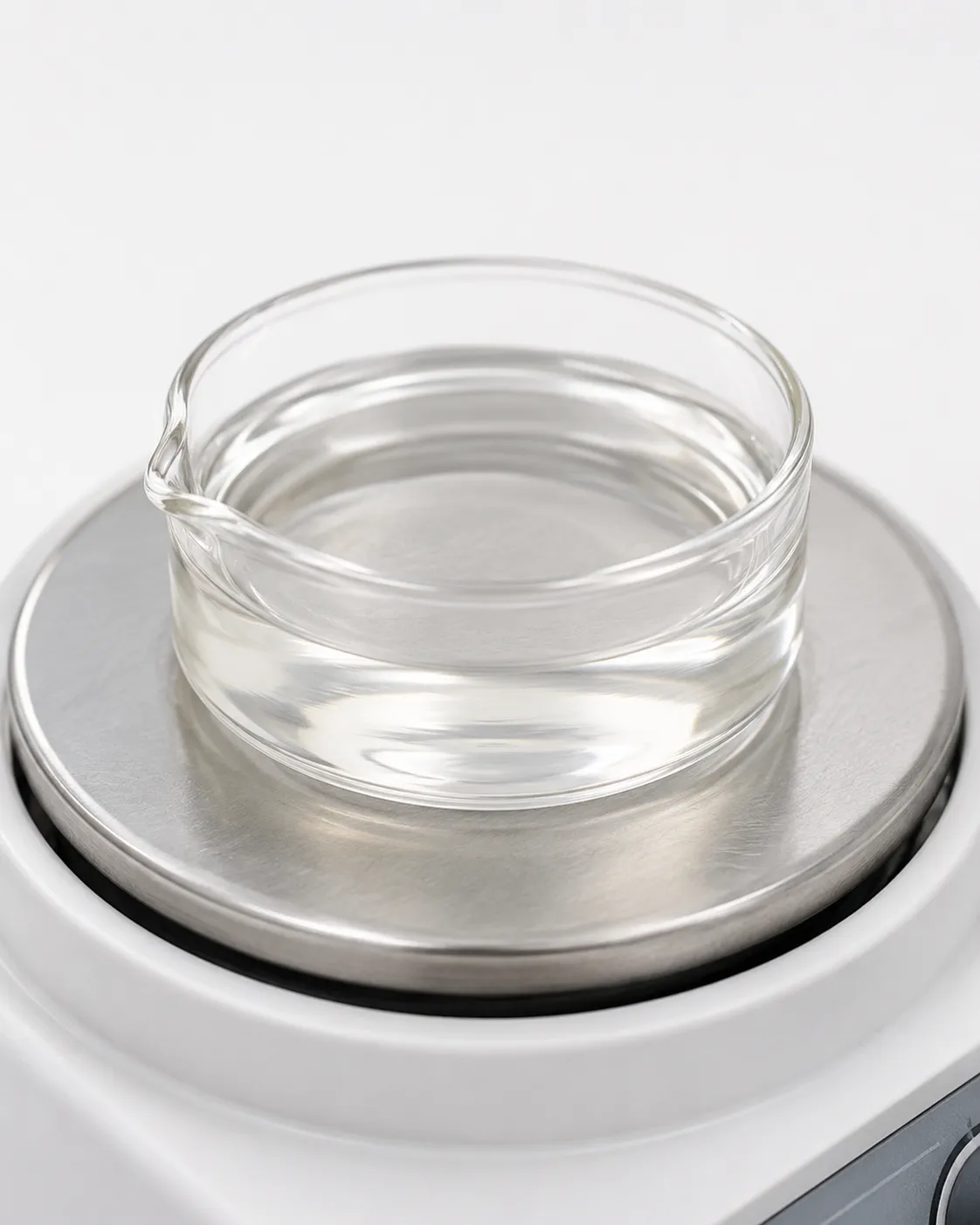
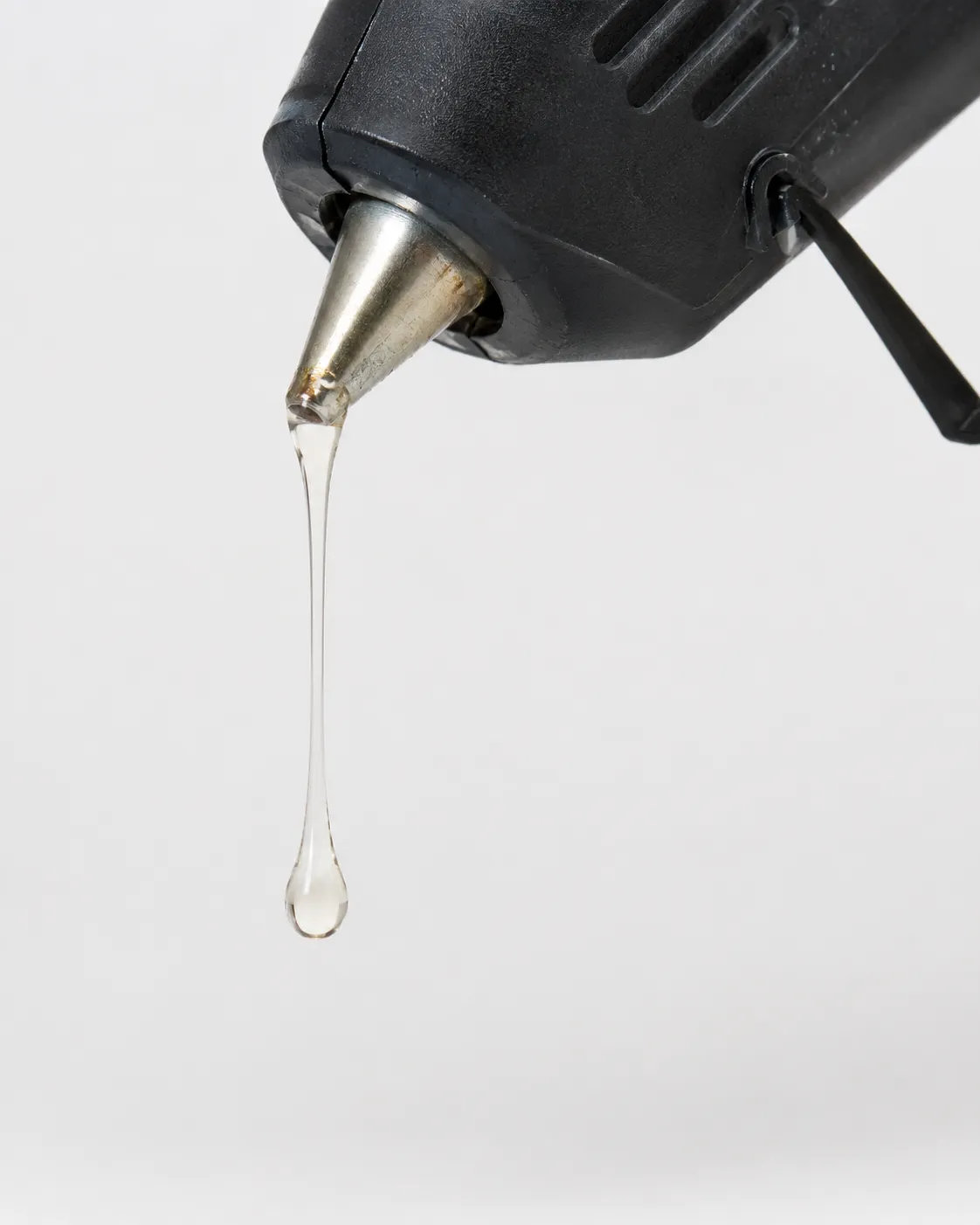
Viscosity is the flow resistance of hot melt adhesive in molten state, typically tested at specified temperatures such as 160 degree C, 180 degree C or the customer's actual application temperature.
What It Measures
Viscosity is the flow resistance of hot melt adhesive in molten state, typically tested at specified temperatures such as 160 degree C, 180 degree C or the customer's actual application temperature.
Role in Application
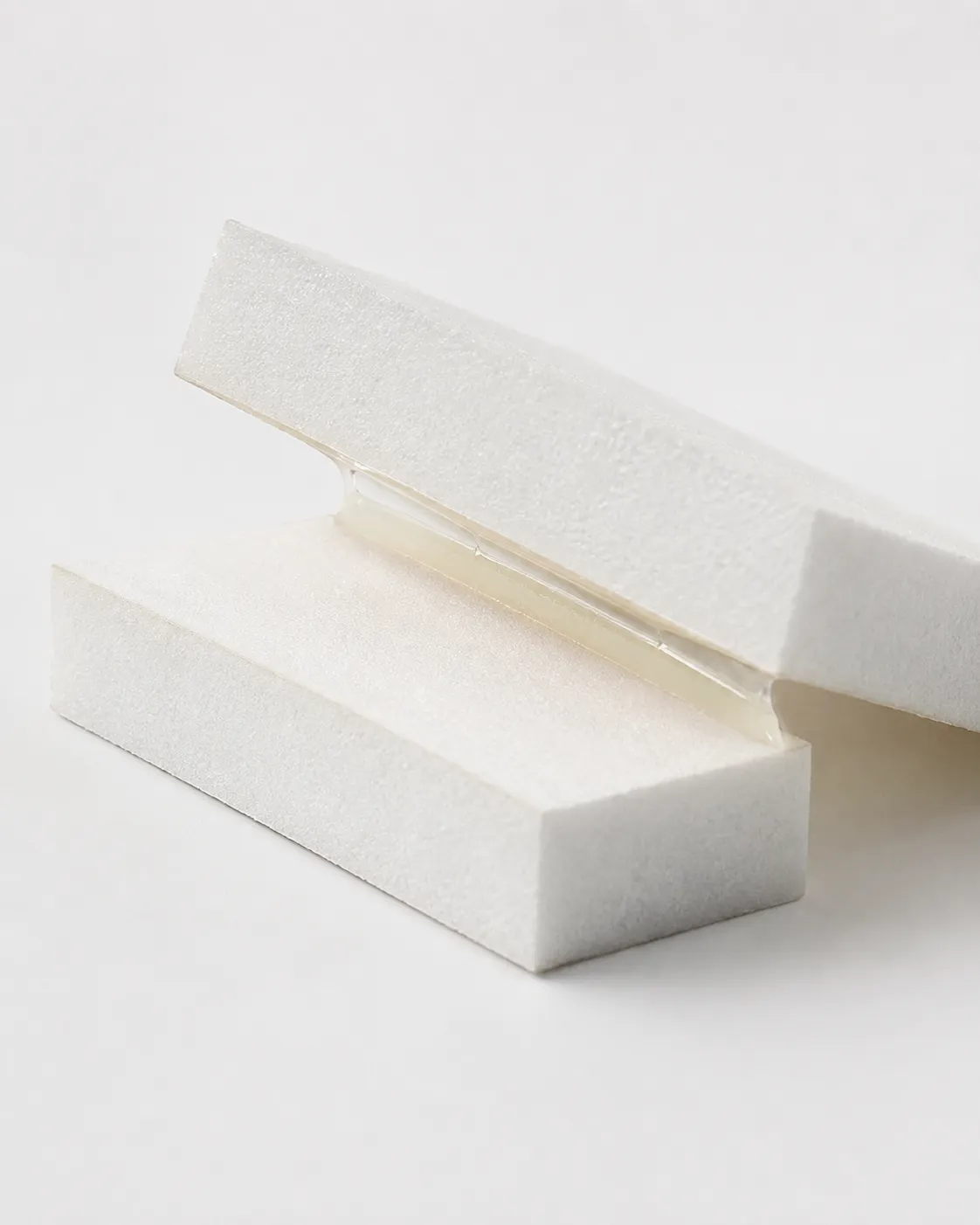
Affects glue output smoothness, bead thickness, penetration ability, flow behavior and equipment compatibility. Too high viscosity may cause dispensing difficulty and poor wetting; too low viscosity may cause overflow, seepage or unstable glue lines.
How to Test
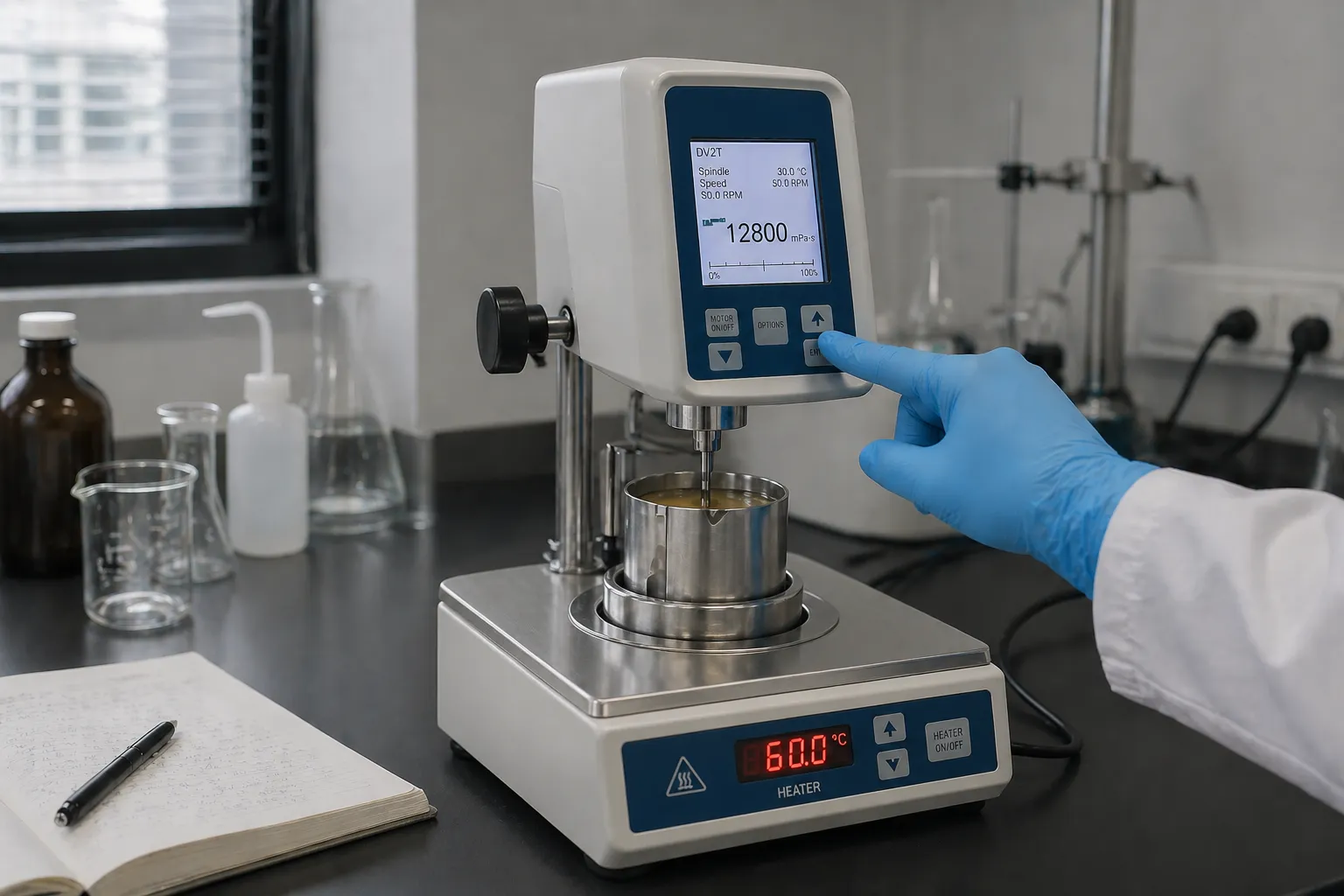
Typically tested using a rotational viscometer or Brookfield viscometer at specified temperature with constant temperature control, recording the viscosity value of the molten adhesive.
Common Misconception
Higher viscosity does not mean stronger bonding. High viscosity may prevent the adhesive from spreading properly, actually reducing wetting and grip on the substrate. Low viscosity is not necessarily bad, but requires control of overflow, seepage and glue line stability.
How to Adjust
By adjusting polymer, tackifier resin and wax system ratios, as well as controlling production temperature, mixing uniformity and raw material compatibility, to match different equipment, substrates and application methods.