


Looks normal right after application
Standard glue sticks show no obvious issues shortly after manual bonding, and accessory parts can be temporarily fixed in place.
Customer Case Details
Velvet surfaces are soft and directional, while accessory substrates include plastic, metal, sequins, rhinestones and many other materials. Standard glue sticks easily loosen and detach after packaging, friction and transport; adding more glue brings glue marks, strike-through and stiffness. We custom-developed a high-bond hot melt glue stick for the client, establishing a balance between strength, appearance and hand feel.
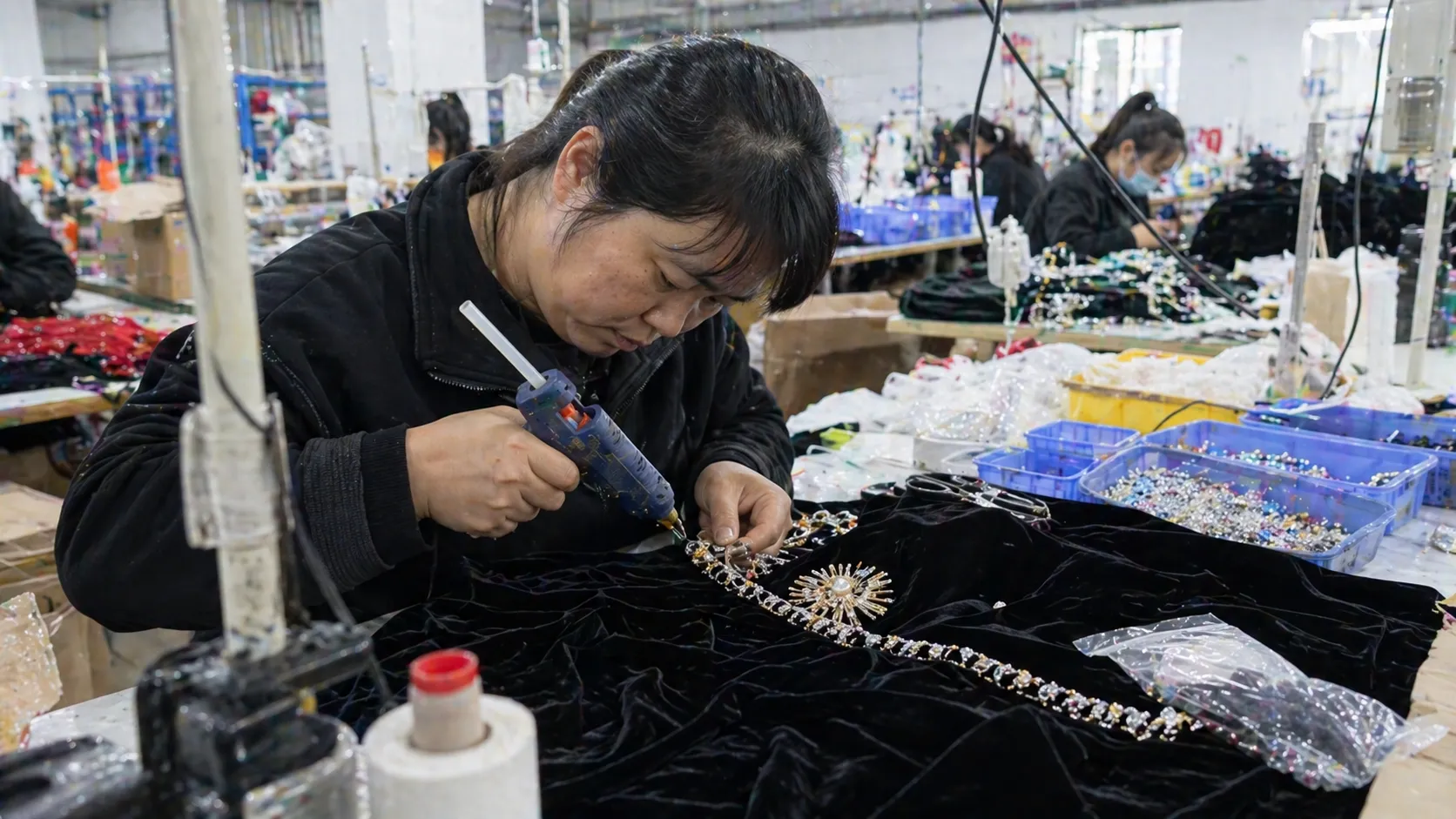
Application Site
Suede Materials, Accessories & Manual Bonding
Application
Velvet, Suede Fabric & Accessory Part Bonding
Material Type
Flocked Fabric / Plastic Accessories / Metal Pieces / Sequins / Rhinestones
Customer Problem
Loosening, edge lifting, detachment, glue bleed, visible glue marks
Solution Adhesive
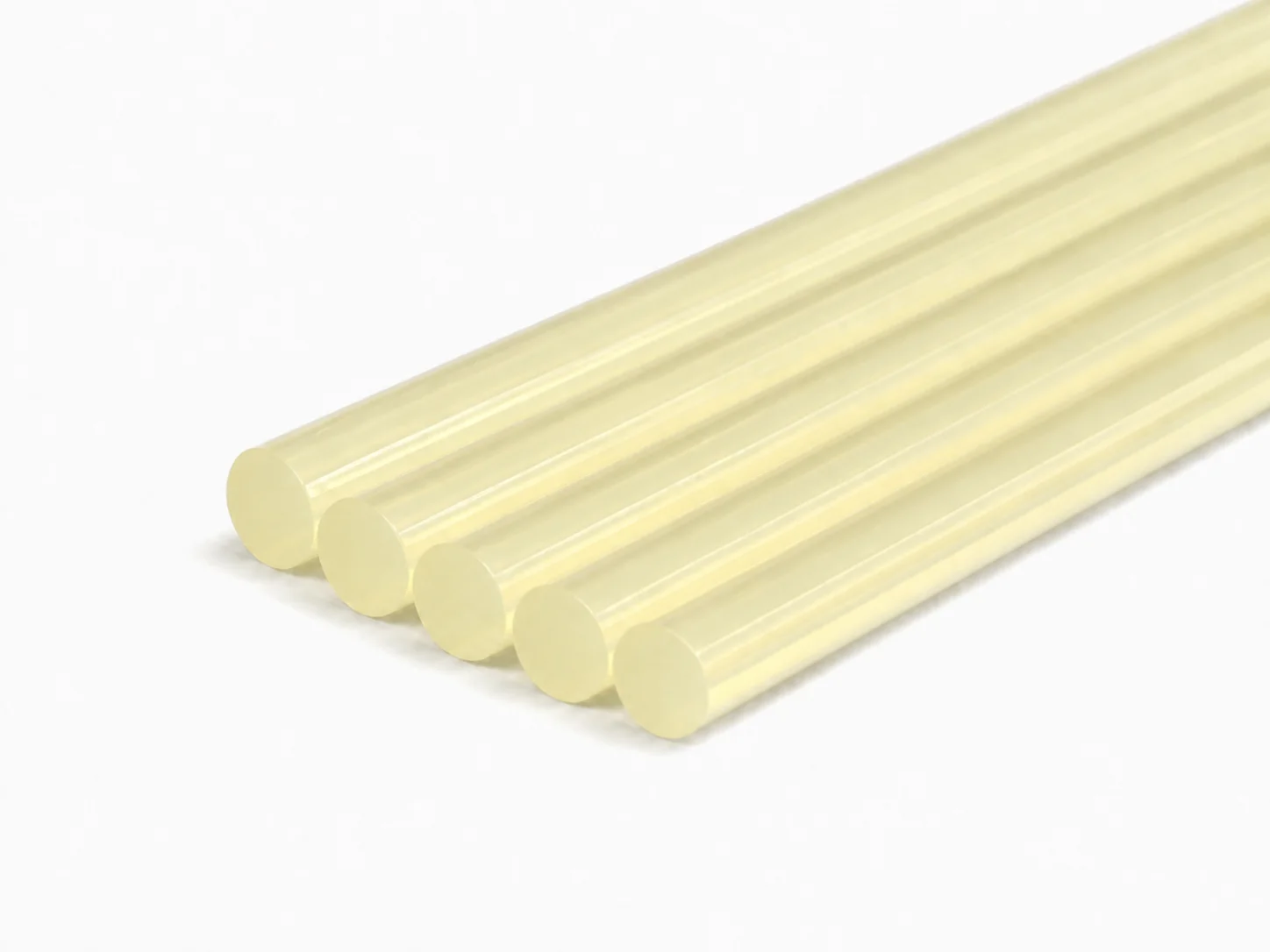
Custom High-Bond Hot Melt Glue Stick
Case Background
The client is an apparel accessory and decoration processing factory, primarily providing bonding services for gift packaging, hair accessories, garment decorations and festive ornaments. Standard glue sticks look fine right after application, but during subsequent packaging, transport, friction and use, some accessories begin loosening, edge lifting or even detaching.
Standard glue sticks show no obvious issues shortly after manual bonding, and accessory parts can be temporarily fixed in place.
After packaging, friction, transport and use, some accessories show edge lifting, loosening or even detachment.
Site Problems
Velvet surfaces have a pile layer, accessory substrates are complex, and when combined with manual assembly rhythm plus appearance and hand-feel requirements, simply adding more glue actually causes glue marks, hard spots and strike-through.
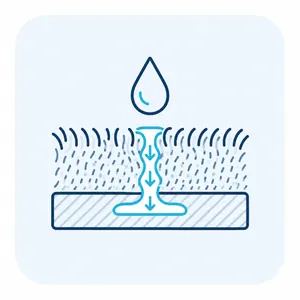
The glue must pass through the pile layer and form effective bonding with both the base fabric and the accessory underside, not just stick to surface fibers.

Plastic, electroplated parts, metal pieces, sequins and rhinestone bases have different surface energies, making it easy to bond one side while the other side detaches.
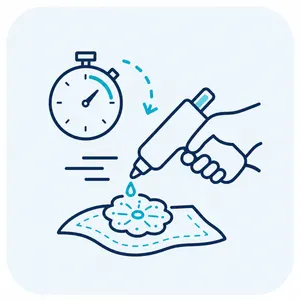
The glue stick needs enough initial tack to quickly position accessories, while also retaining a certain working window for workers to adjust placement.
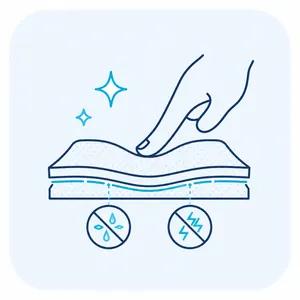
A too-hard glue layer feels stiff and unpleasant to touch, while excessive flowability easily seeps into the velvet surface, creating glue marks, hard spots or contamination.
Core Conflicts
Core Conflict 1
Accessory parts have small area and concentrated stress, requiring high initial tack and long-term strength from the glue stick; but velvet is very sensitive to glue marks. Too much flow causes glue bleed and overflow, while insufficient flow makes it hard to penetrate the pile layer for effective anchoring.
Core Conflict 2
After bonding, accessories must withstand packaging, friction, bending and light pulling, requiring sufficient cohesive strength in the glue layer; but apparel accessories and decorations cannot show obvious hard spots. A too-hard glue layer feels poor, while a too-soft one provides unstable fixation.
Analysis Direction
This type of bonding cannot only consider bond strength; it must also consider glue dot appearance, velvet contamination, cooled hand feel and manual assembly efficiency.
Observe pile height, pile density, base fabric material and glue contact method; determine required penetration depth and anchoring condition.
Confirm whether accessories are plastic, electroplated metal, alloy, rhinestone base or other materials; assess the impact of substrate surface on wetting and bonding.
Adjust immediate grip after placement according to manual assembly rhythm, reducing accessory slippage and rework.
Control hardness and elasticity after cooling, avoiding stiff bonding areas, hard plates or glue fracture after bending.
Reduce strike-through, overflow and velvet contamination by controlling viscosity, flowability and glue quantity.
Solution Development Process
Rather than simply recommending a standard high-temperature glue stick, we developed a customized high-bond hot melt glue stick based on the client's velvet substrate and accessory bonding method.
Focus on improving glue initial tack on velvet base fabric and accessory substrates; observe positioning stability after placement and pull-off performance after cooling.
Adjust glue flexibility and cohesive strength, avoiding an overly hard glue layer while improving tensile, peel and friction resistance performance.
Control flowability to address glue marks and bleed, allowing the glue to form effective contact without excessively penetrating the velvet surface.
Final Solution
The key point of this glue stick is not simply making the glue very hard or very thick, but balancing high initial tack, flexibility, glue mark control and long-term strength. It quickly positions accessory parts during manual assembly, retains a certain flexibility after cooling, and reduces stiffness, strike-through and detachment risk.
Recommended Adhesive

Accessories fix in place faster after placement, reducing slippage and wait time.
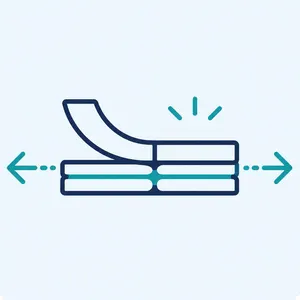
Improved tensile, peel and friction resistance, reducing detachment risk after transport.
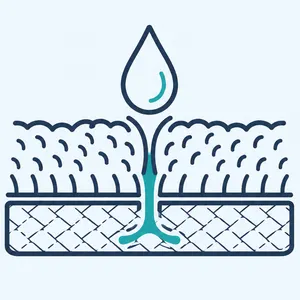
Balances pile penetration and base fabric bonding, reducing detachment from surface-only adhesion.
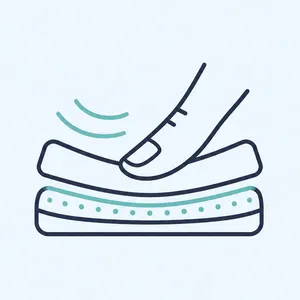
Reduces stiffness, hard spots and unpleasant texture from thick or hard glue.

Reduces strike-through, overflow and surface glue marks for a cleaner finished appearance.

Balances rapid positioning and adjustable time, adapting to manual or semi-manual assembly rhythm.
Improvement Results
During manual bonding, accessories fix more easily after placement, reducing slippage, shifting and repeated adjustment.
After bending, friction and packaging transport observation, accessory loosening and detachment risk is reduced.
Glue flowability is controlled, reducing strike-through, overflow and surface glue mark issues.
The glue layer no longer relies solely on thick or hard glue for fixation; stiffness and hardness in bonding areas are improved.
The key to this case is not simply using a higher-viscosity glue stick, nor solving the problem by adding more glue, but making the adhesive type simultaneously adapt to the velvet pile structure, accessory substrates, manual assembly rhythm and finished product appearance requirements.
For flexible material scenarios like velvet and accessory bonding, hot melt adhesive must have sufficient initial tack and long-term strength without noticeably affecting appearance and hand feel. A truly stable solution finds the balance between high-bond fixation, flexible hand feel, glue mark control and working window.
Project Inquiry
If your velvet, suede materials, hair accessories or decorative pieces show detachment, glue bleed, visible glue marks or stiff bonding areas, send us your material samples, accessory substrates, application method and appearance requirements.