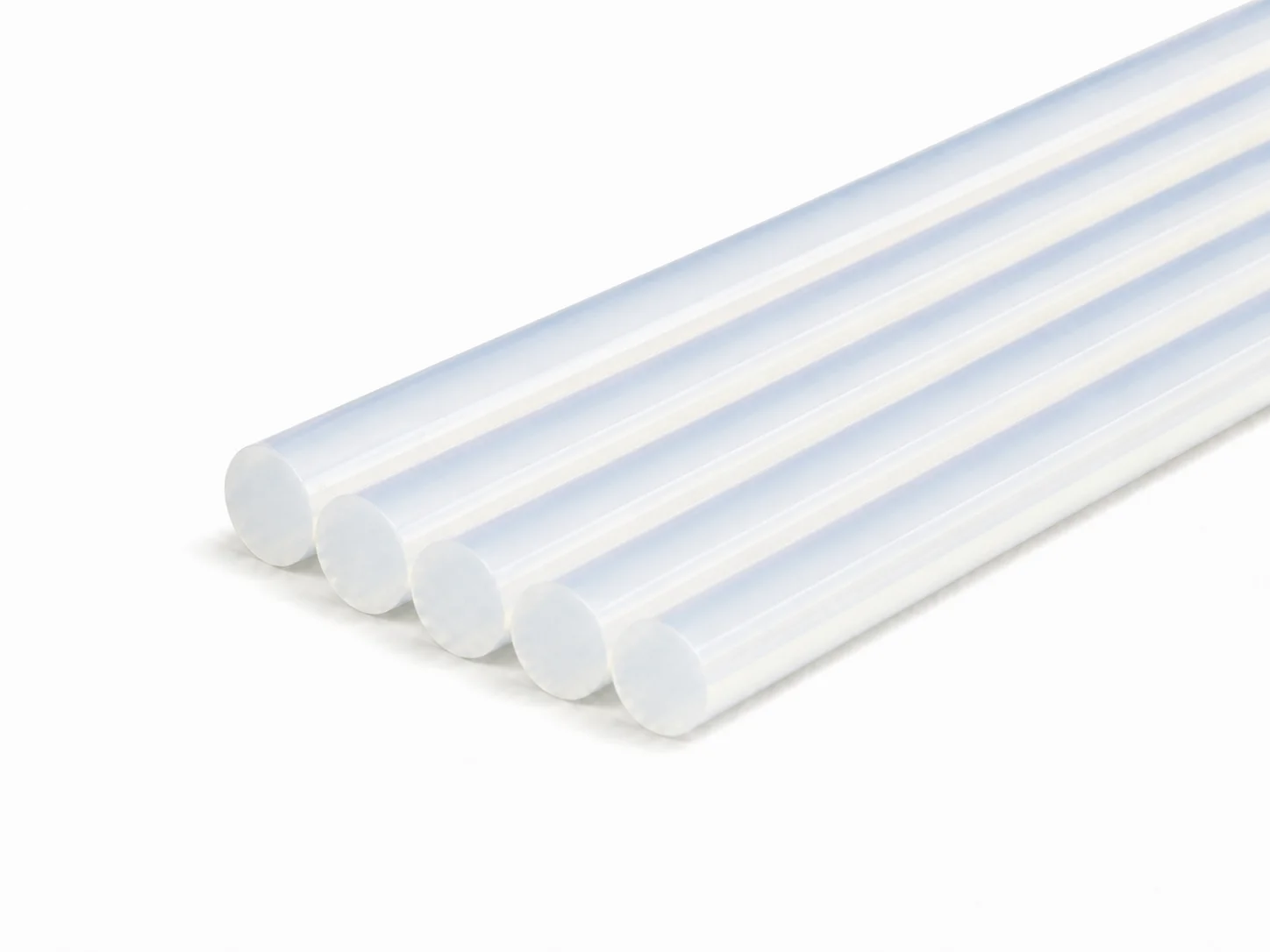


Substrate matching
Adjust adhesive wetting and grip for cotton, synthetic, stretch fabric, non-woven and accessory substrate surfaces.

Apparel Accessories
For fabric bonding, apparel trims, ornaments and accessory assembly where hand feel, appearance and bonding stability matter.
What This Solves
Production Diagnosis
Apparel Accessories applications require the adhesive to match substrates, process rhythm and final-use performance. We translate site problems into formulation targets and practical process windows.
Turn line problems into formulation and process targets.

Every problem maps to a verifiable, adjustable and practical optimization path.
Optimization Target
Improve tack on flexible materials
Cause Analysis
Fabric pores, elasticity and ornament materials vary widely. Poor wetting or low flexibility can lead to peeling.
Expected Result
More reliable bonding on trims and accessories.
Optimization Path
Adjust adhesive wetting and grip for cotton, synthetic, stretch fabric, non-woven and accessory substrate surfaces.
Increase instant positioning hold to reduce trim shifting, edge lifting and false bonding.
Enhance adhesive layer bending and stretching adaptability to prevent peeling after fabric movement.
Confirm bonding stability through peel, flex, wash, drying, thermal cycling and friction tests.
Application Matching
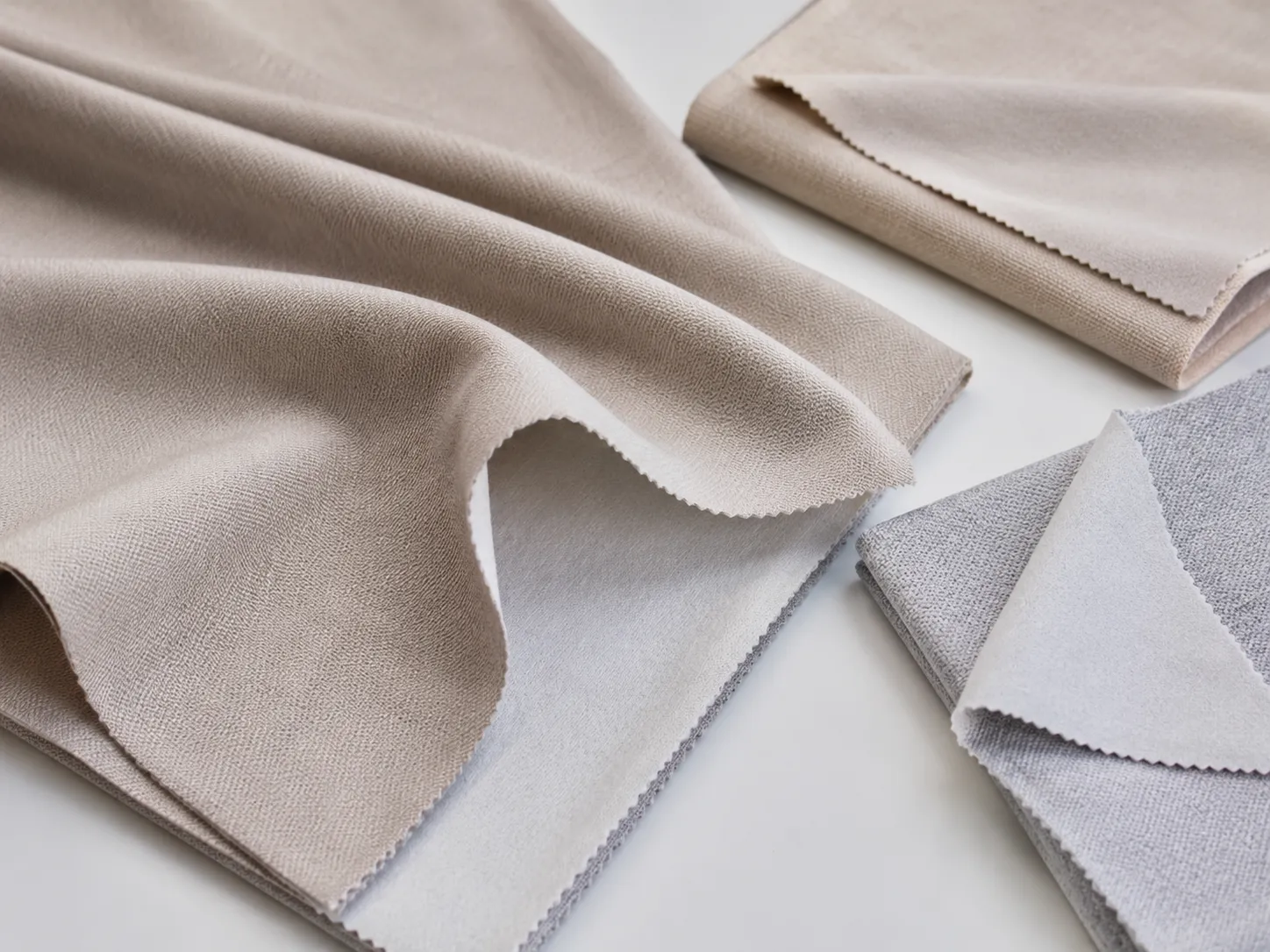
Application Scenes
For fabric patches, labels, webbing, lace, trim lamination and localized fixing. Focus on softness after bonding, fabric drape and adhesive penetration into fiber surfaces, reducing stiffness, weak bonding and edge lifting.
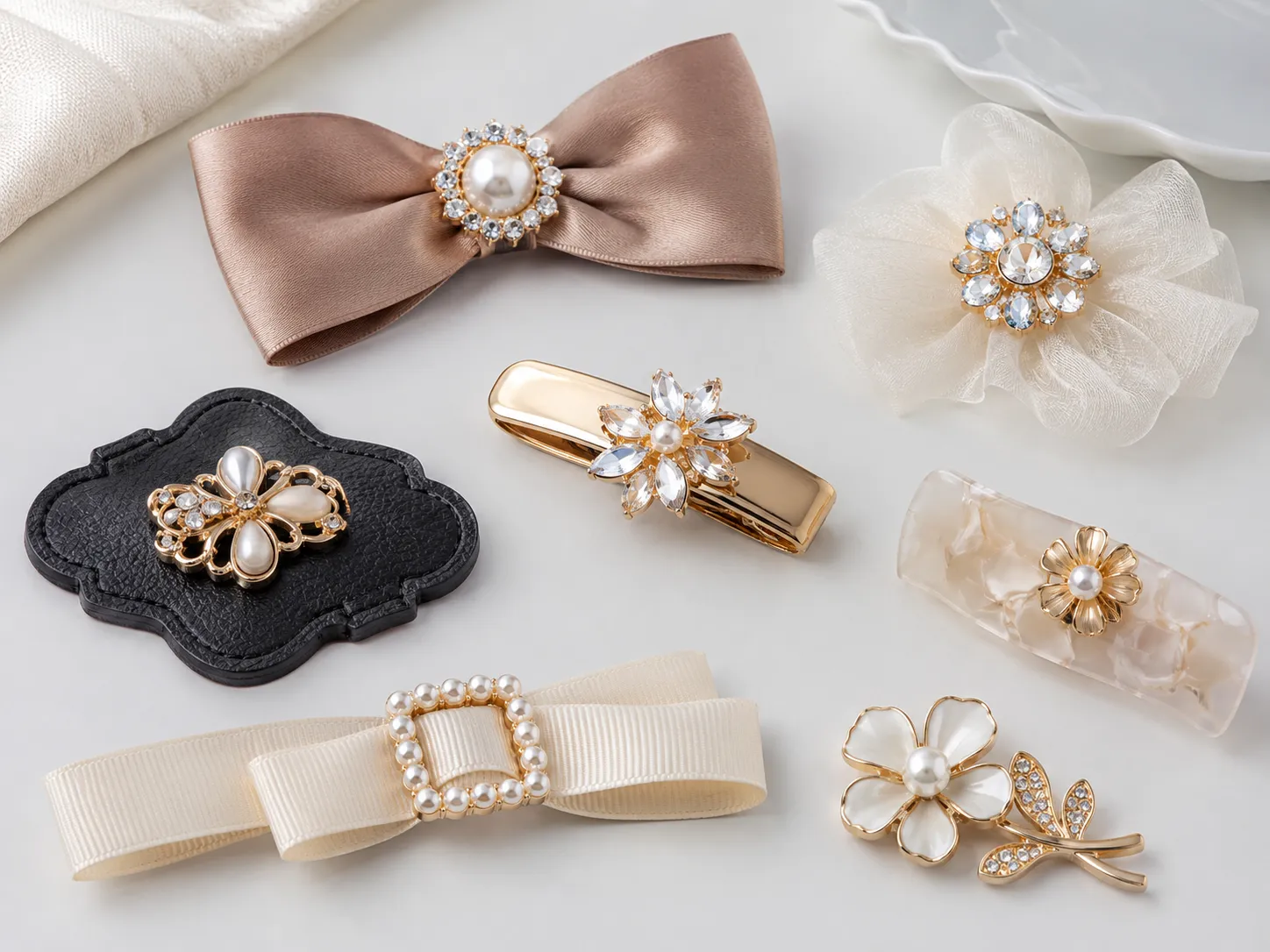
Application Scenes
For hair accessories, brooches, pendants, plastic parts, metal pieces, transparent decorations and irregular ornament assembly. Focus on material compatibility, transparency in visible positions and small-area bonding strength.
Matched adhesive
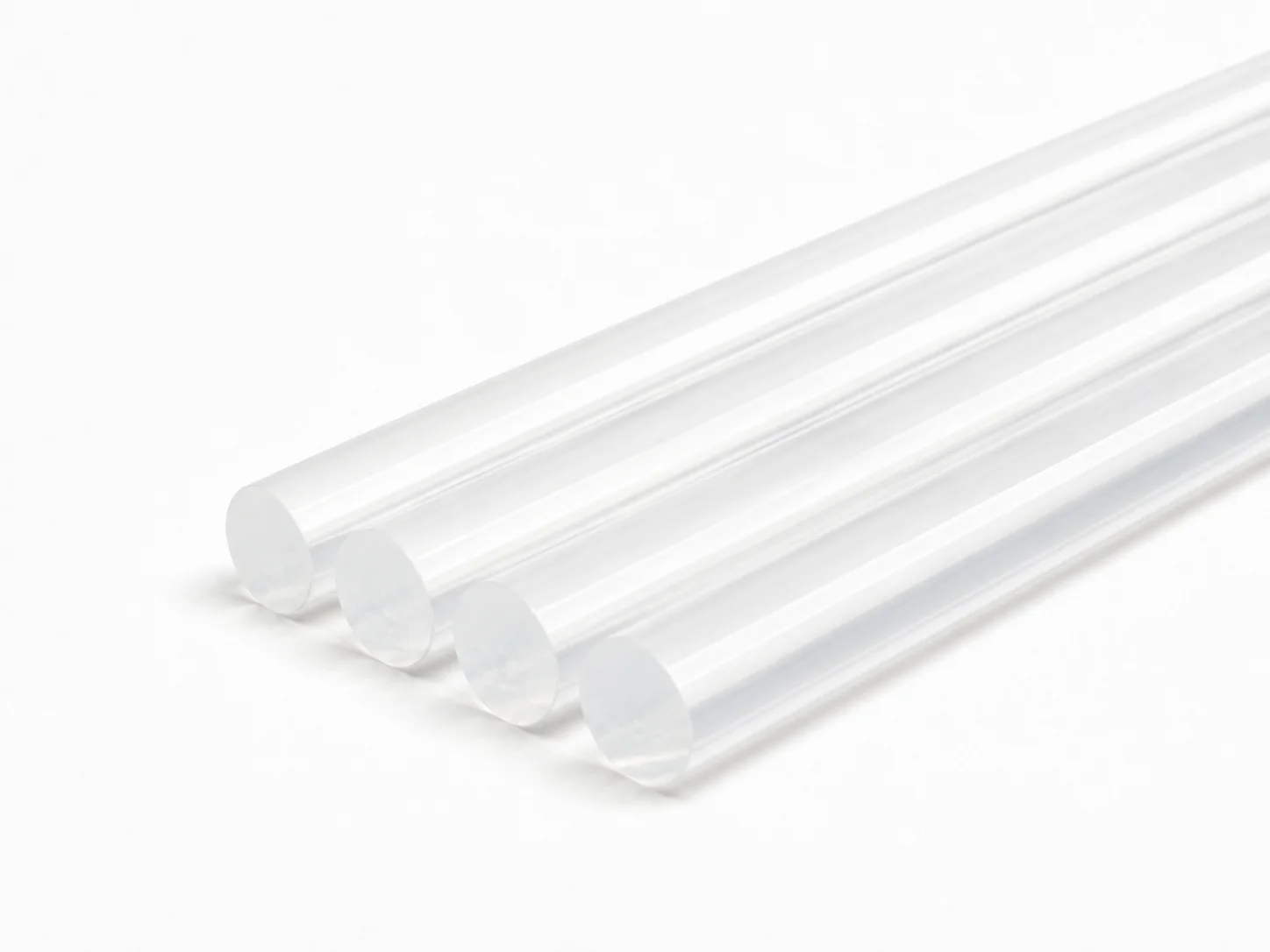
Emphasizes transparency for crystal, clear plastic, display ornaments and visible glue-dot positions.
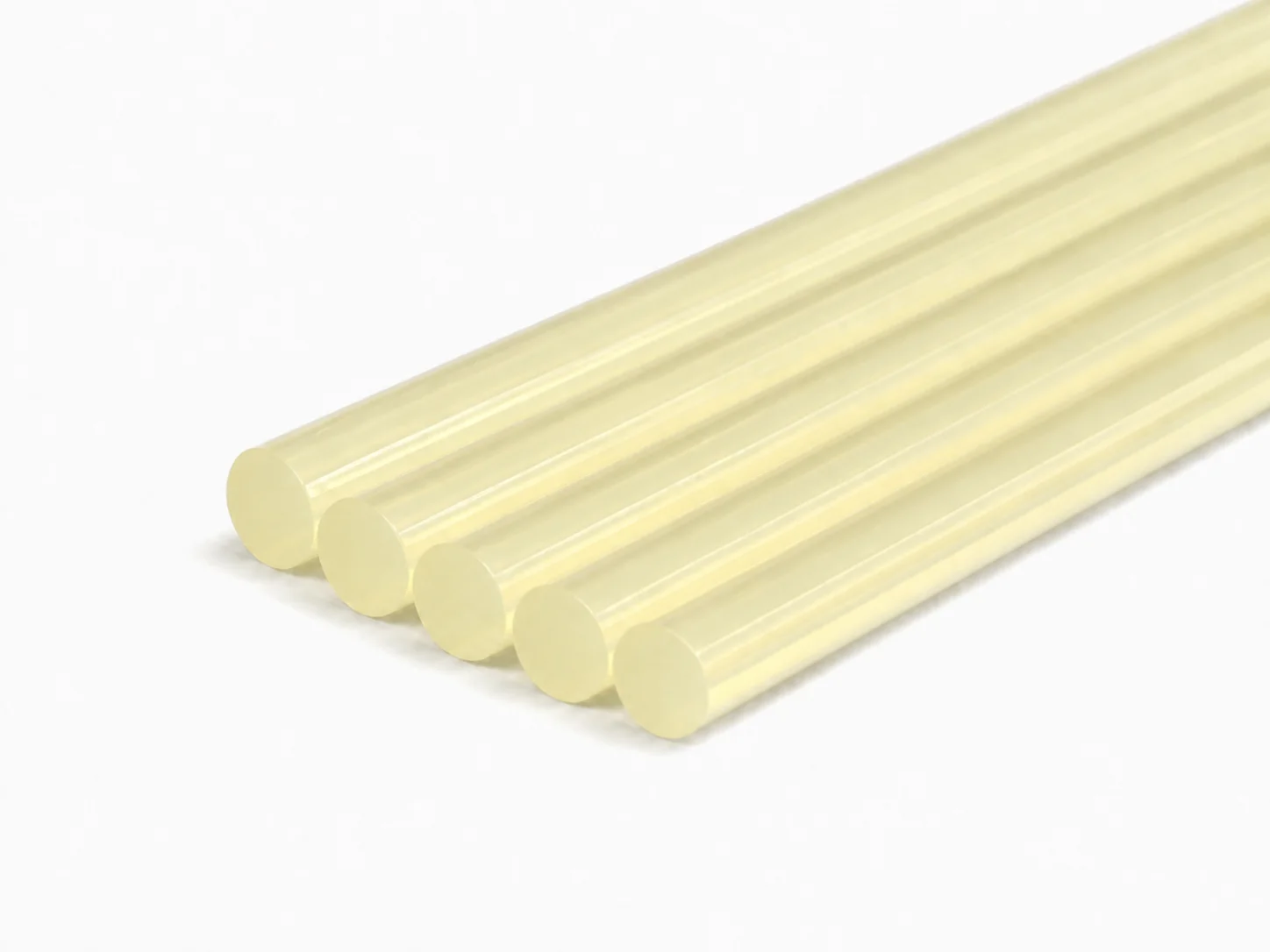
Transparent with stronger bonding for small-area, irregular shapes and higher-stress ornament fixing.
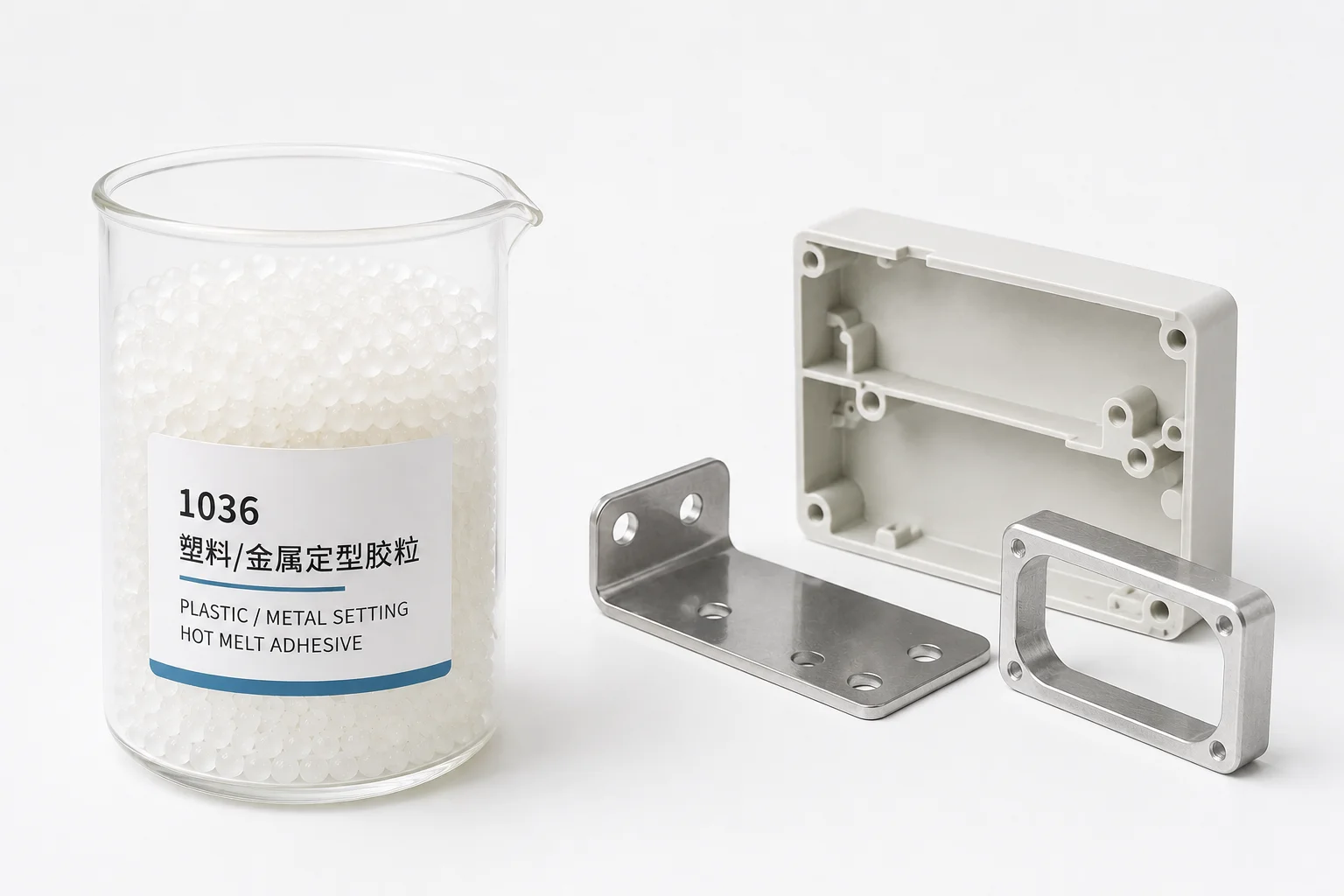
For plastic, metal and other ornament substrates requiring positioning and structural bonding in batch assembly.
Why Stable
We verify fabrics, trims, ornaments and decorative materials, manual assembly, batch bonding and accessory fixing, application parameters and end-use conditions together, so the recommended adhesive can move from sample testing into repeatable production more smoothly.
View Testing System →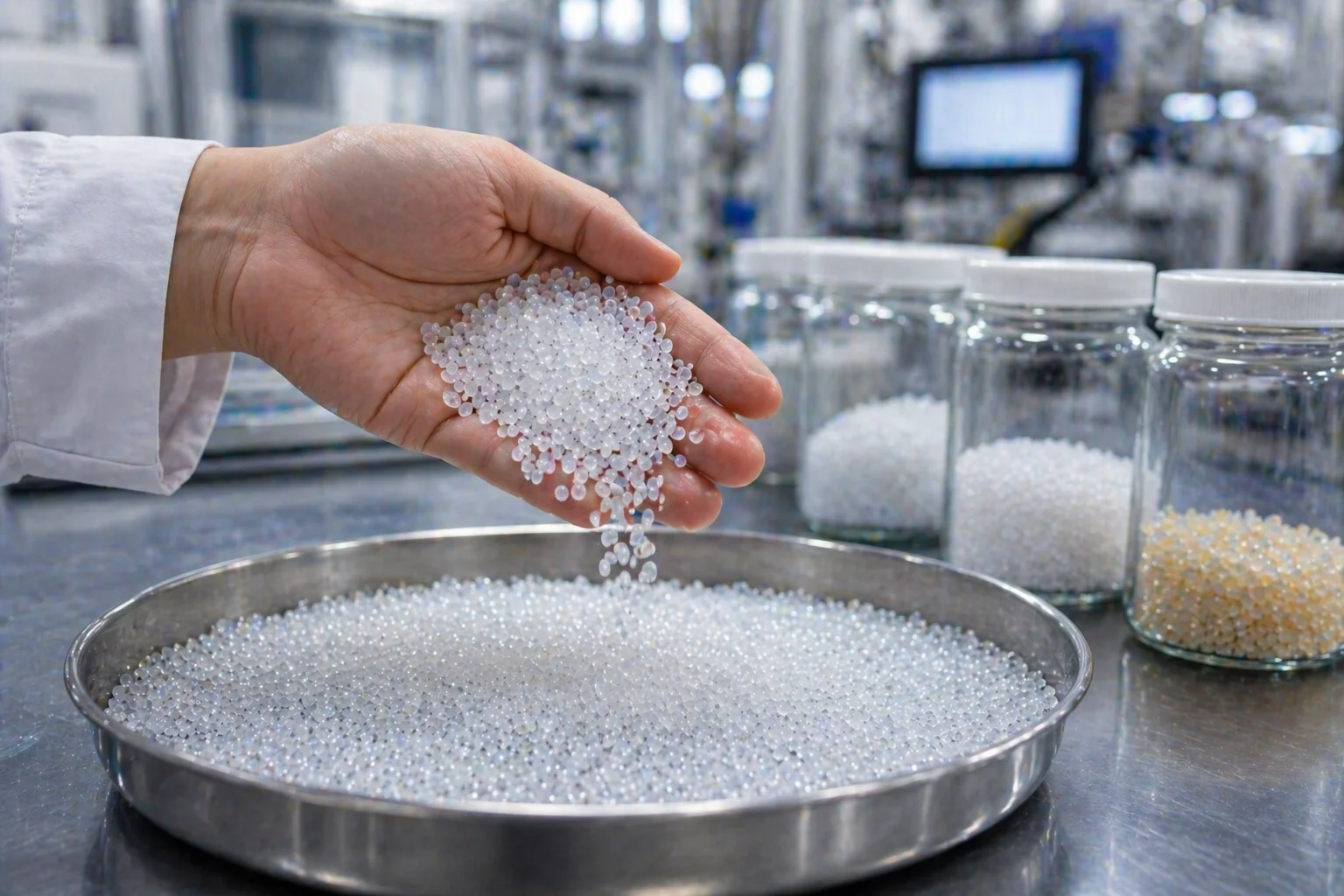
Screen resin, wax and polymer batches before production to reduce fluctuation at the source.
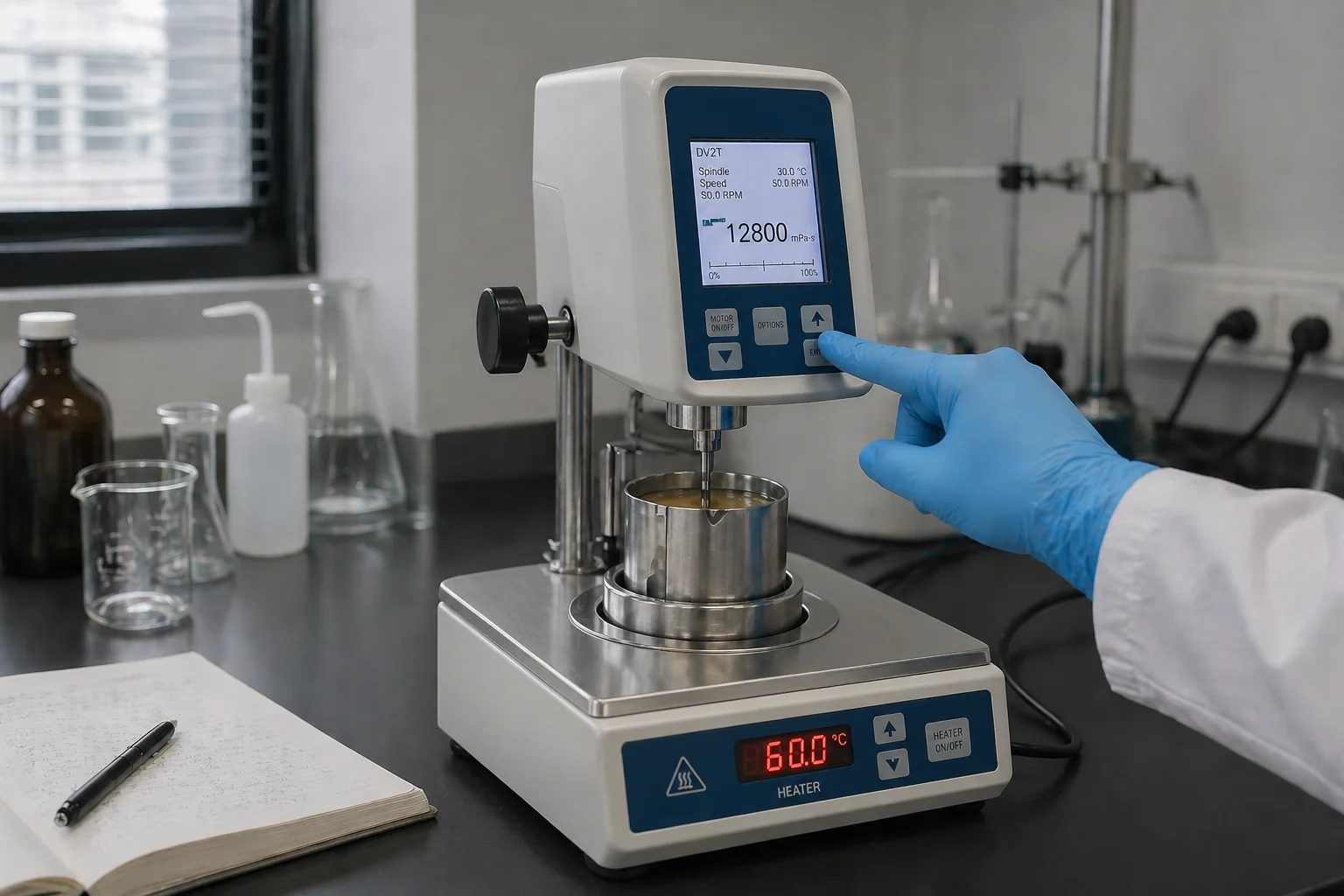
Balance setting speed, open time, heat resistance and bonding strength around the target materials, equipment window and end-use conditions.
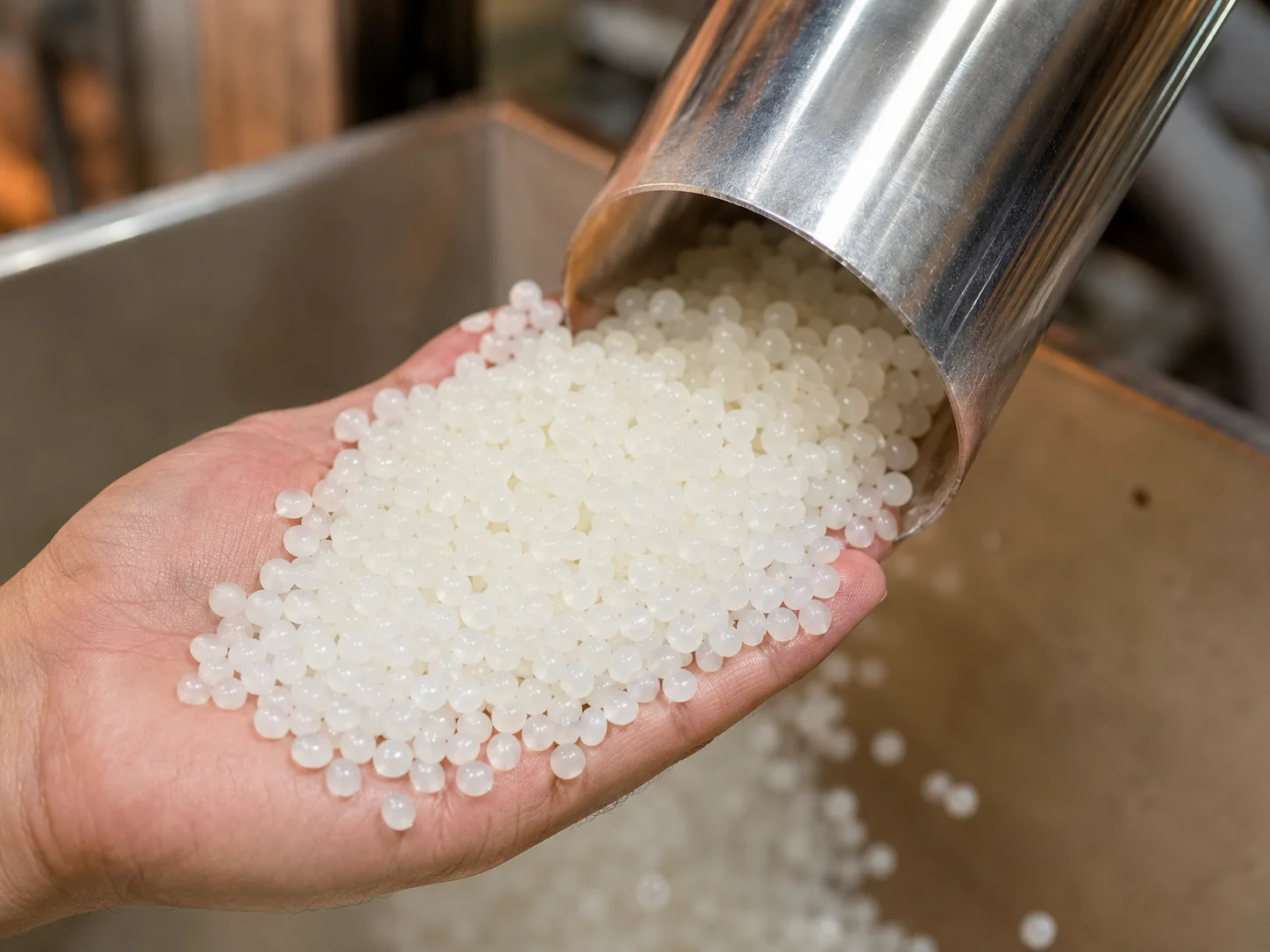
Control temperature zones and mixing status to keep melt flow, melt extrusion and output stable.
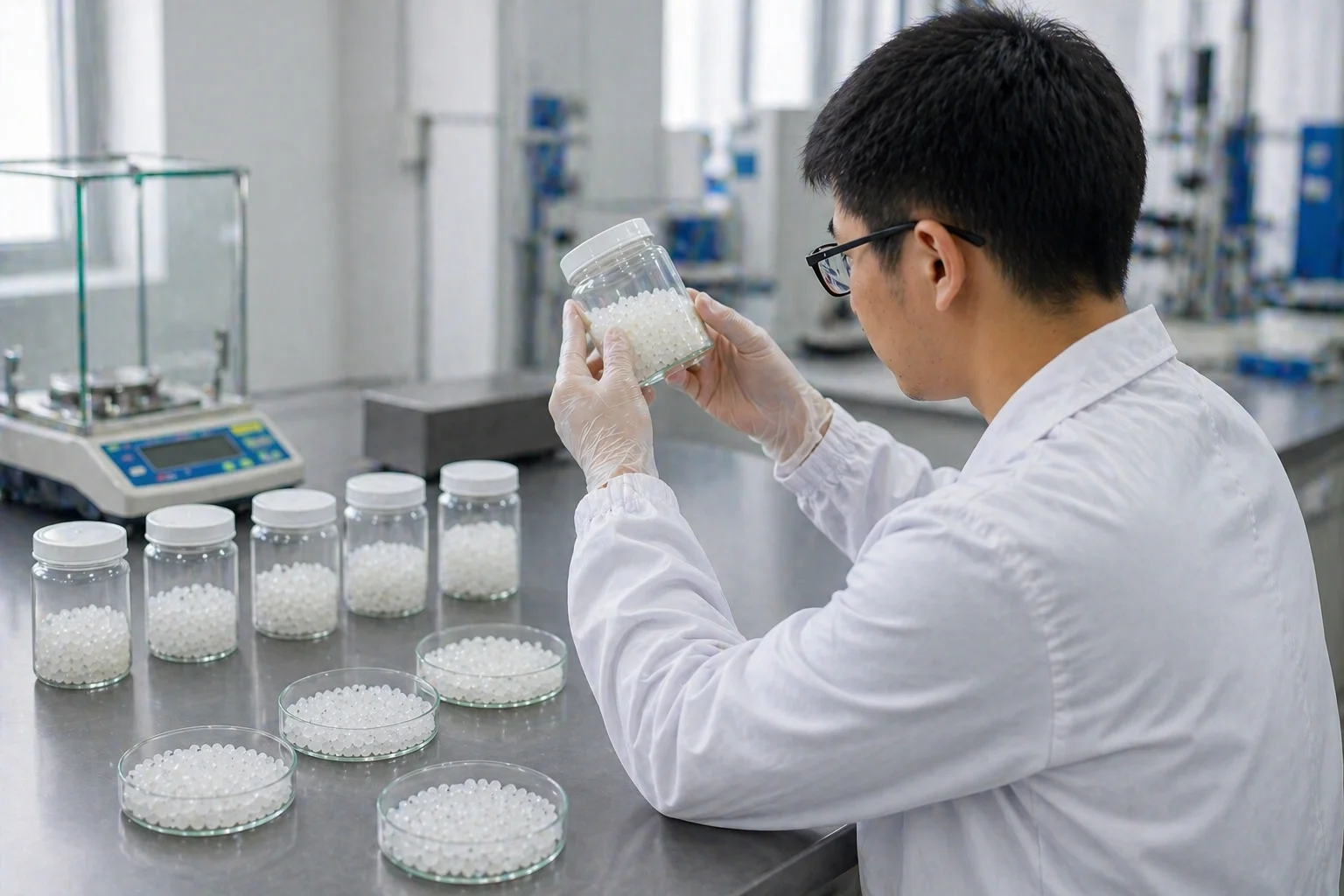
Verify viscosity, softening point, color and bonding performance before shipment.
FAQ
Start from the real substrate, application method, production rhythm and final-use condition. Then we can decide whether tack, flexibility, heat resistance, open time or clean application is the priority.
Please provide fabric or accessory material and bonding process, application temperature, glue method, target performance, current failure mode and photos or videos of the process if available.
One general grade may cover simple cases, but difficult substrates, visible glue positions, heat exposure or special process windows usually need a more targeted grade.
We compare sample performance with real equipment parameters, then adjust viscosity, open time, setting speed, tack and thermal stability around the actual process.
Yes. For non-standard requirements, we define the test target first, provide samples, collect feedback and iterate the formula toward a scalable solution.
Tell us your fabric or accessory material and bonding process, application method and use environment. We will help match a more suitable apparel accessories hot melt adhesive solution.