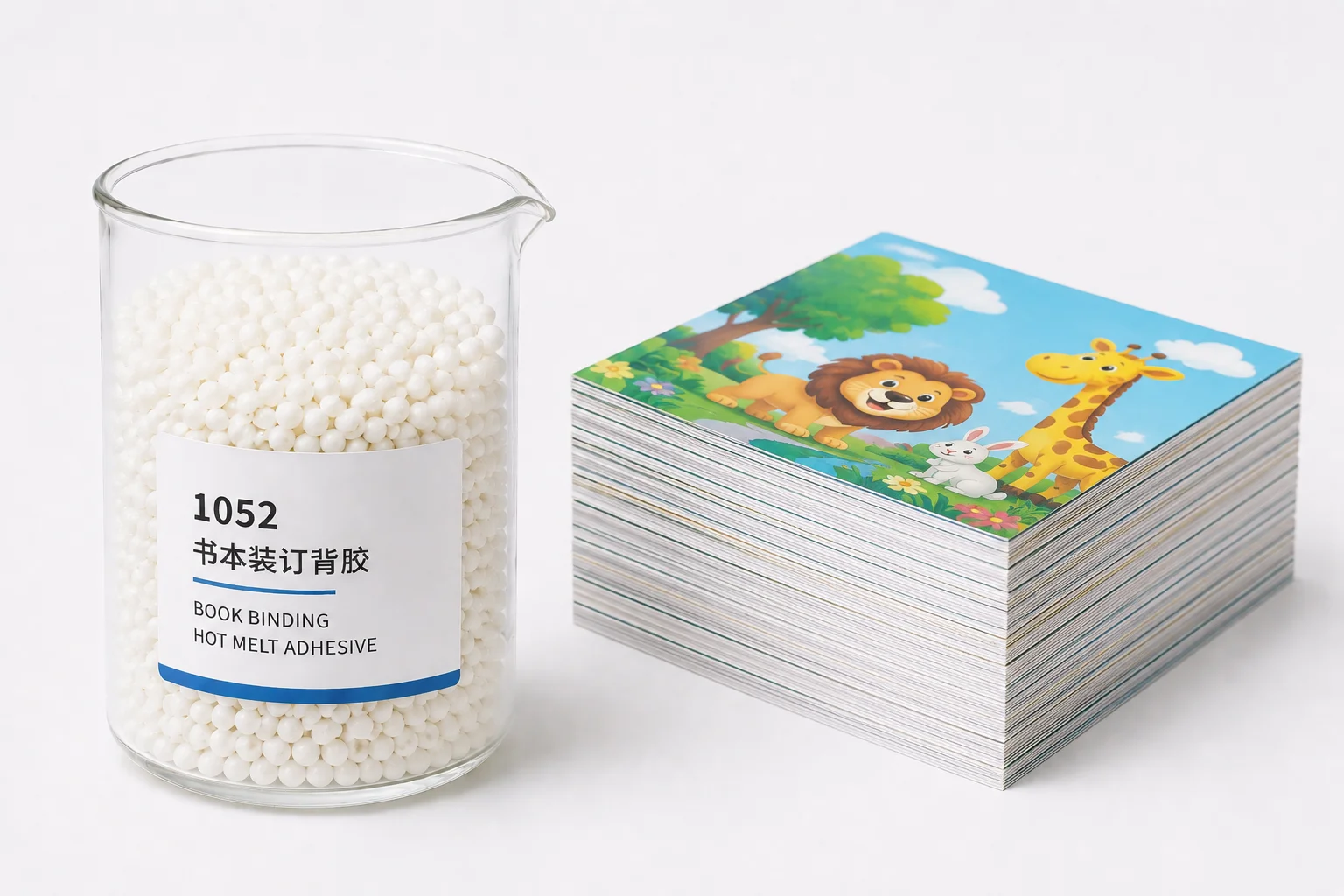


Substrate matching
Adjust adhesive wetting and penetration depth based on offset paper, coated paper and paper weight.
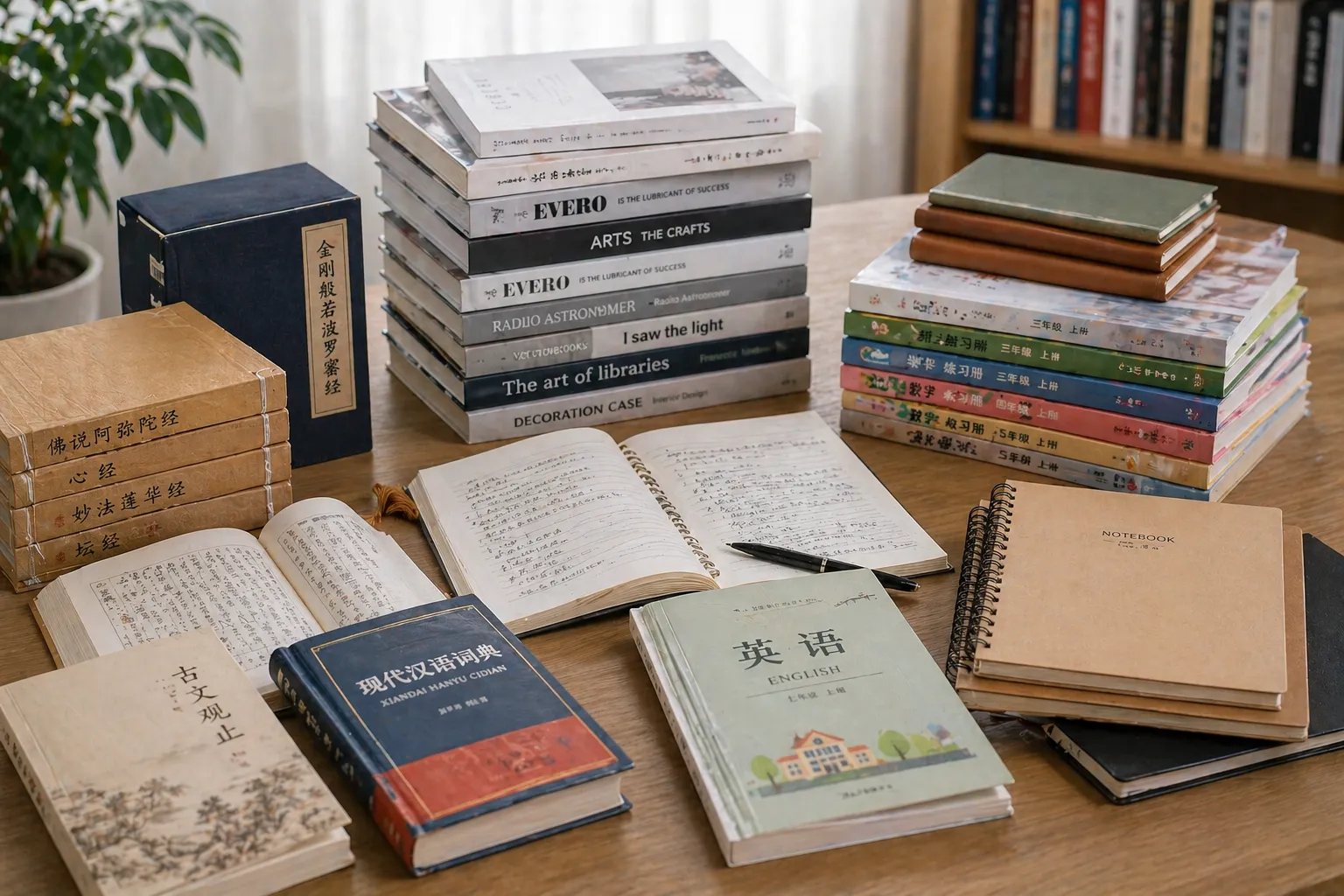
Bookbinding Adhesive
Book binding adhesive support for spine glue, side glue and book production lines that need page-pull strength, flexibility and smooth running.
What This Solves
Production Diagnosis
Bookbinding applications require the adhesive to match substrates, process rhythm and final-use performance. We translate site problems into formulation targets and practical process windows.
Turn line problems into formulation and process targets.

Every problem maps to a verifiable, adjustable and practical optimization path.
Optimization Target
Improve spine penetration and page holding strength
Cause Analysis
Paper weight, milling depth, open time and spine-glue penetration must work together. If the adhesive cannot wet the spine fibers well, pages may loosen after trimming or repeated opening.
Expected Result
Stronger page holding, fewer drop-page and loose-spine failures.
Optimization Path
Adjust adhesive wetting and penetration depth based on offset paper, coated paper and paper weight.
Balance initial tack, cohesive strength and low-temperature flexibility to improve overall spine bonding.
Match milling depth, fiber roughening effect and glue thickness to reduce false bonding and shallow adhesion.
Confirm production stability through page-pull tests, flex tests and aging tests.
Application Matching
Application Scenes
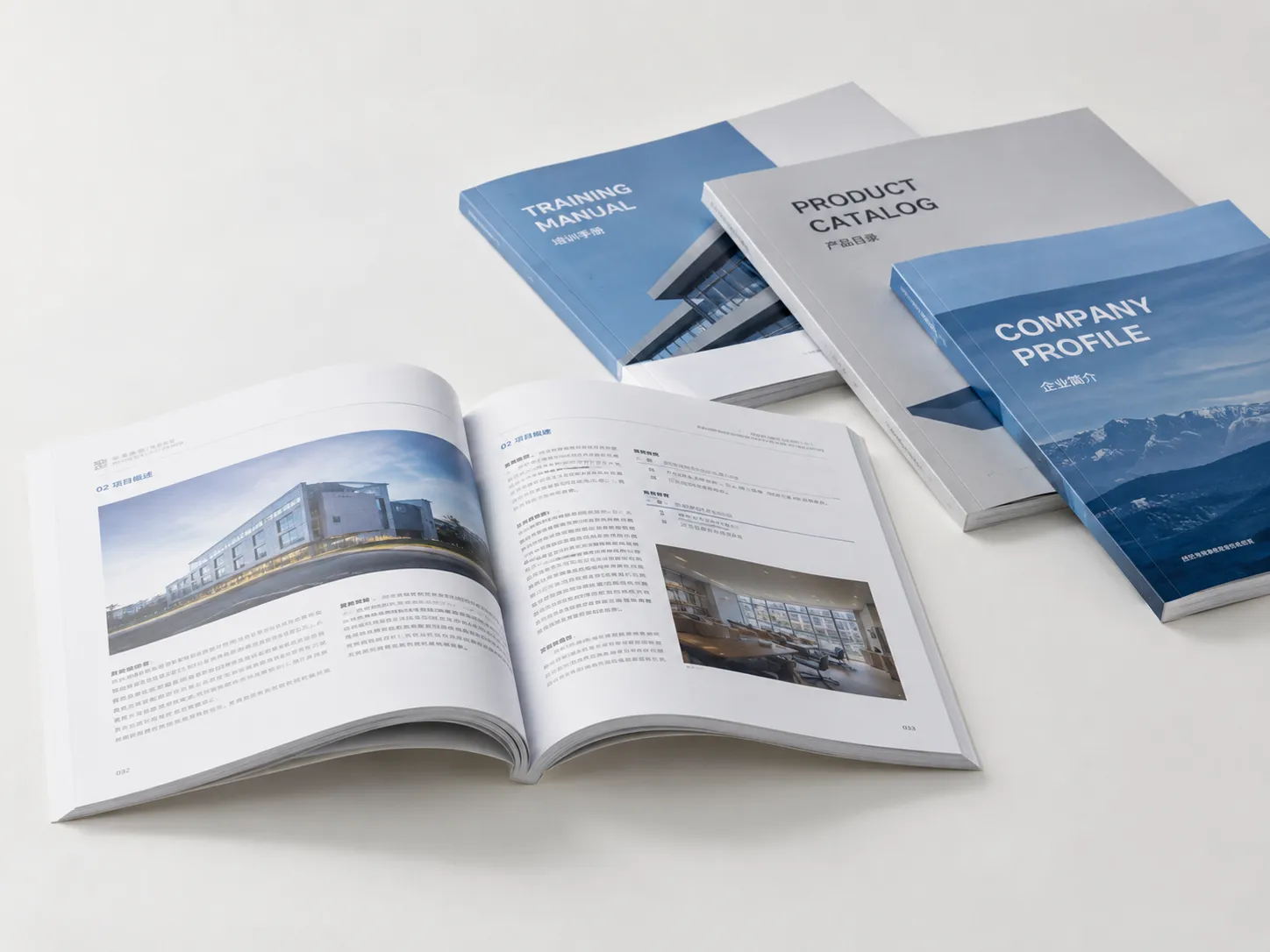
For textbooks, picture books, manuals and general adhesive-bound publications. Focus on spine glue page-pull strength, side glue bonding stability and continuous binding efficiency.
Matched adhesive
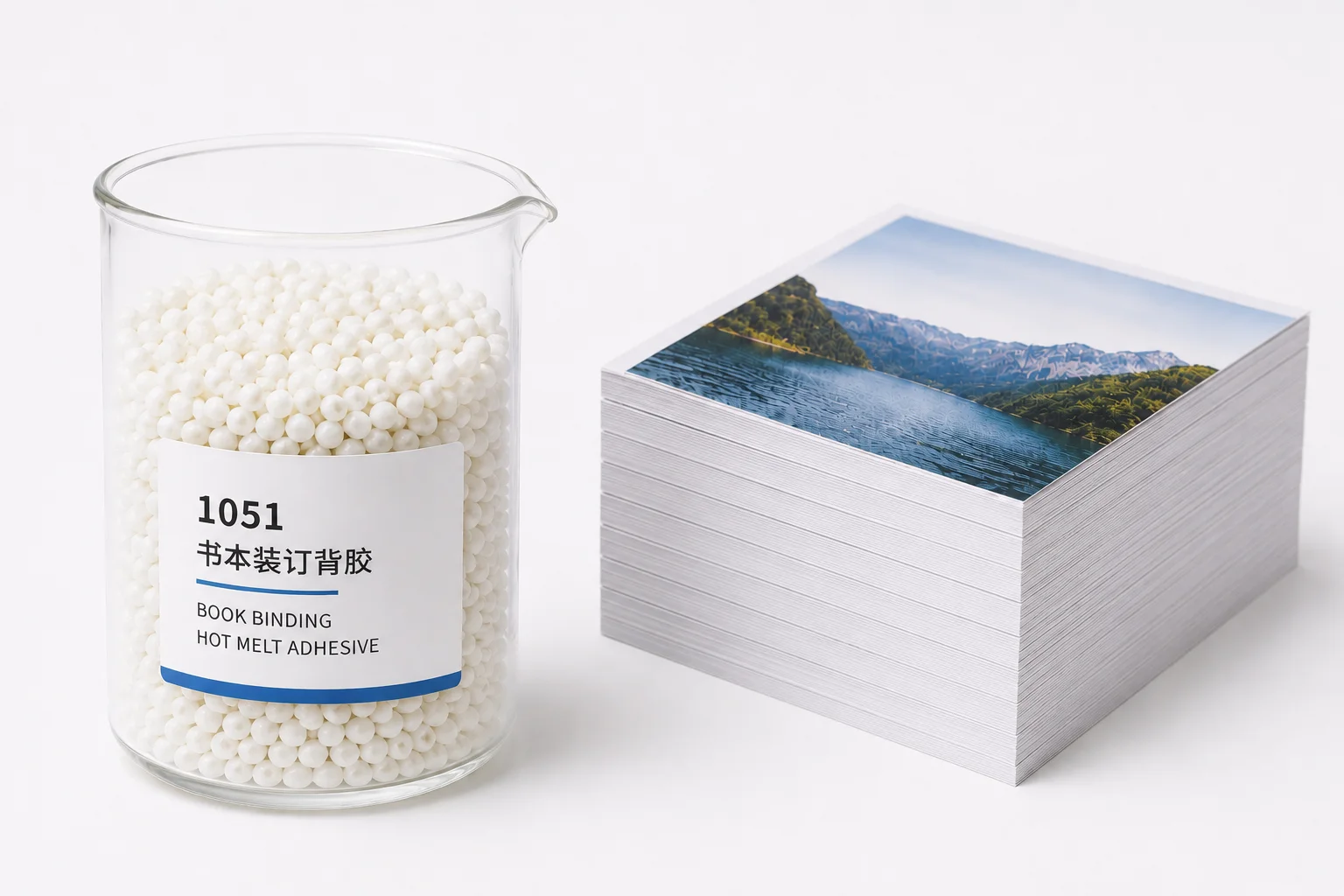
For general perfect binding spine glue, improving spine penetration, page-pull strength and post-trimming page holding performance.
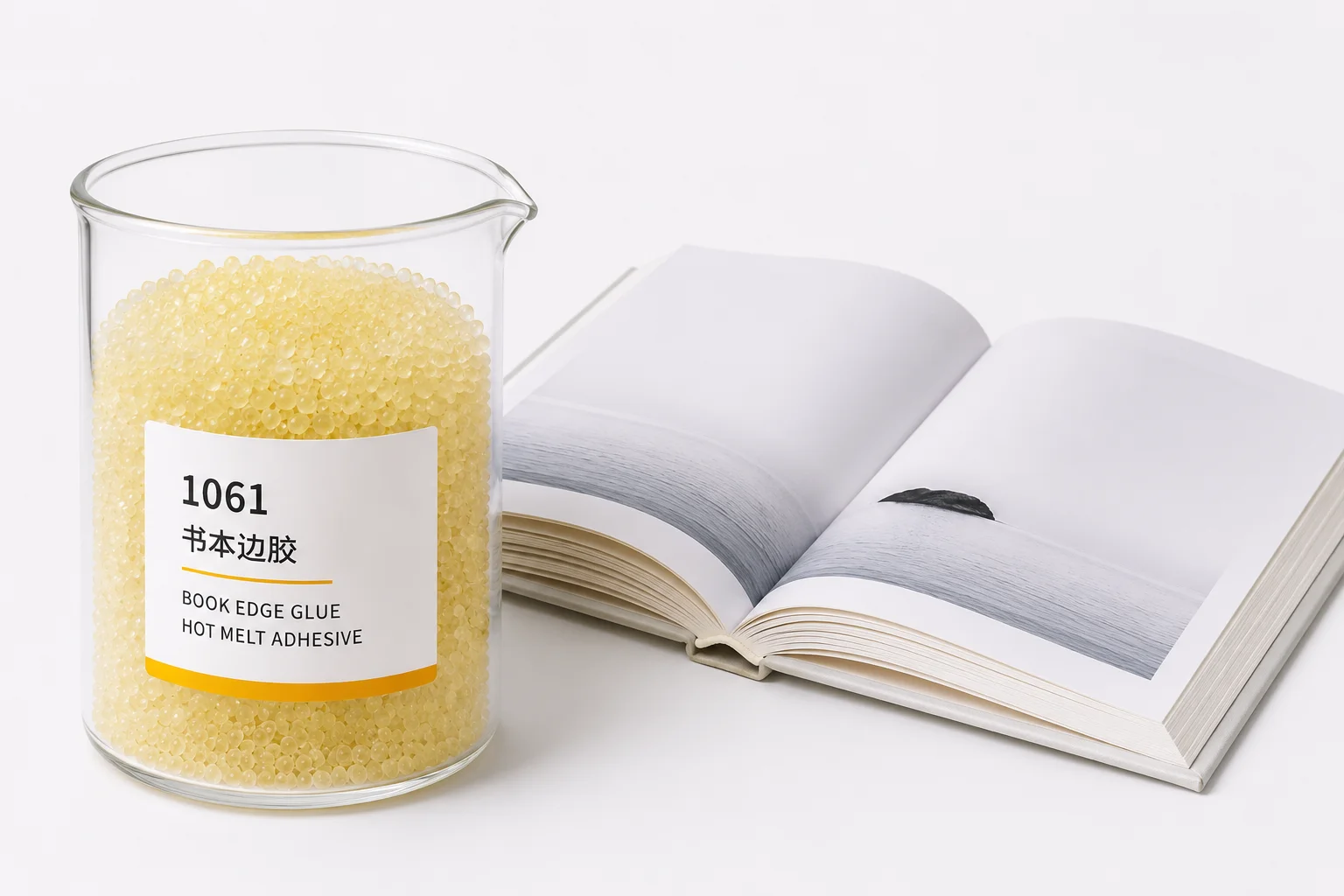
For cover side glue and edge bonding, helping control glue line appearance, cover edge lifting and continuous binding stability.
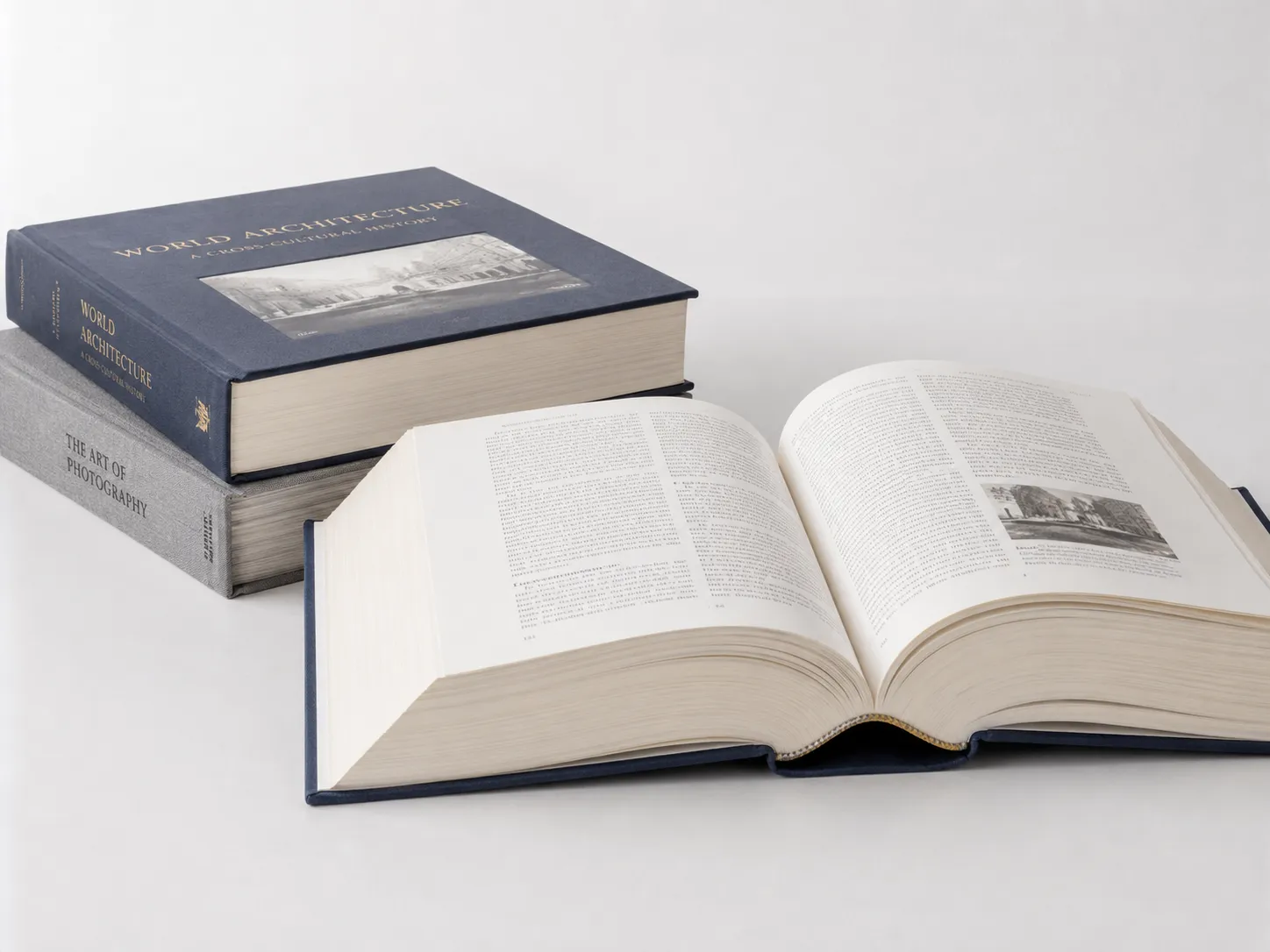
Application Scenes
For thick book cores, hardcover inner pages and books with wide opening angles. Focus on spine flexibility, crack resistance and cover side glue bonding.
Matched adhesive
Why Stable
We verify page-pull strength, spine flexibility, trimming behavior and long-run heat stability around real paper, milling depth and binding equipment.
View Testing System →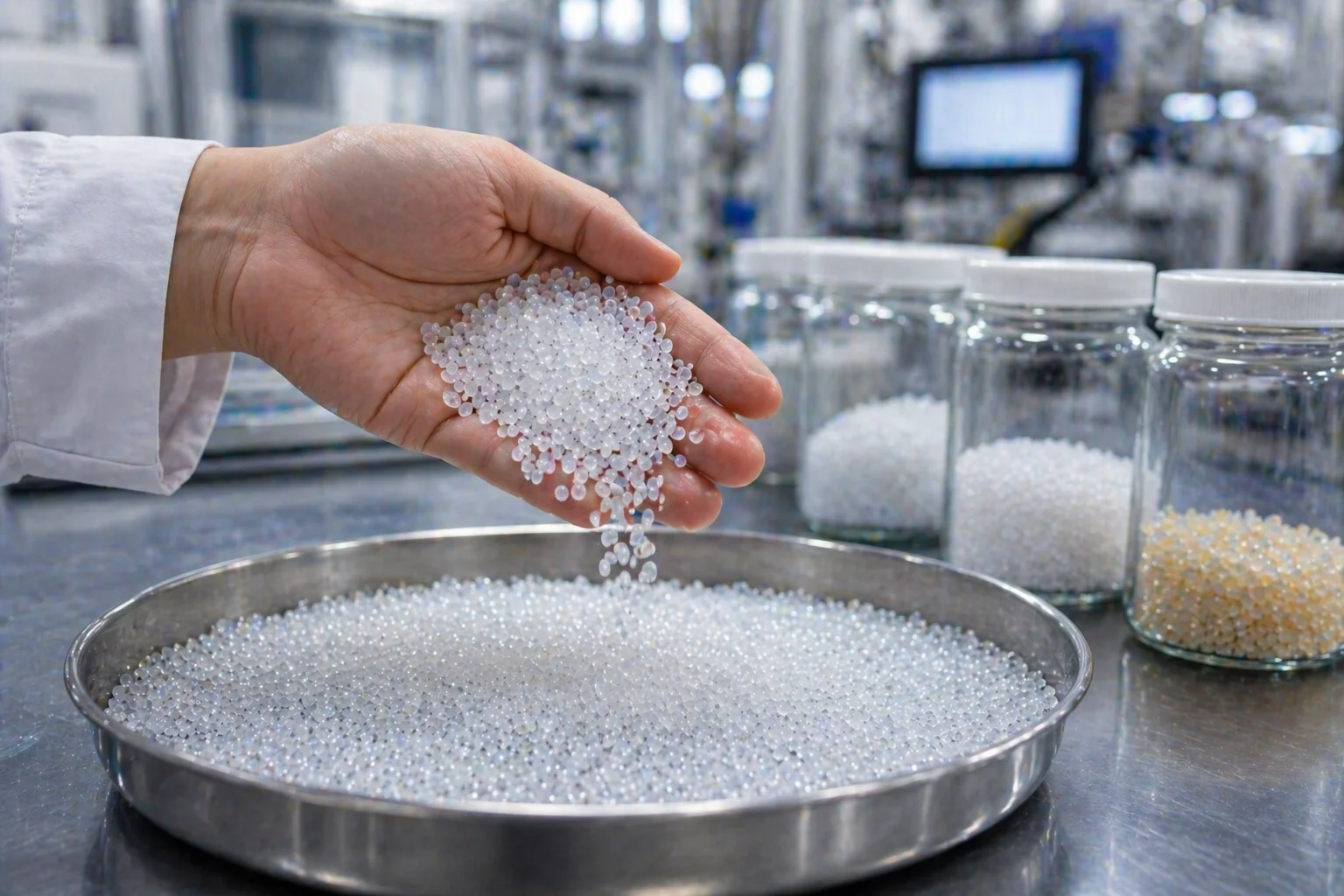
Screen resin, wax and polymer batches before production to reduce fluctuation at the source.
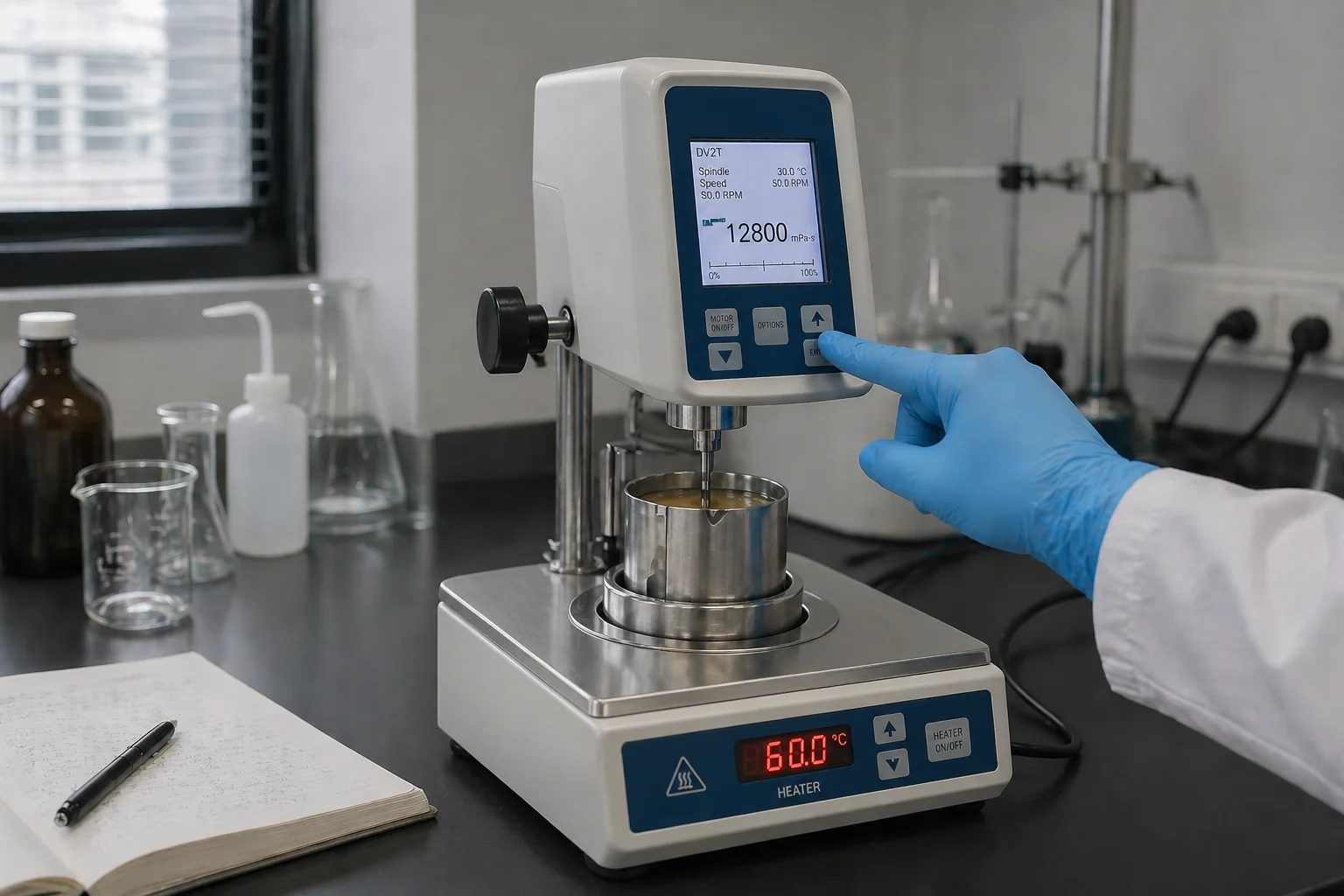
Balance setting speed, open time, heat resistance and bonding strength around the target materials, equipment window and end-use conditions.
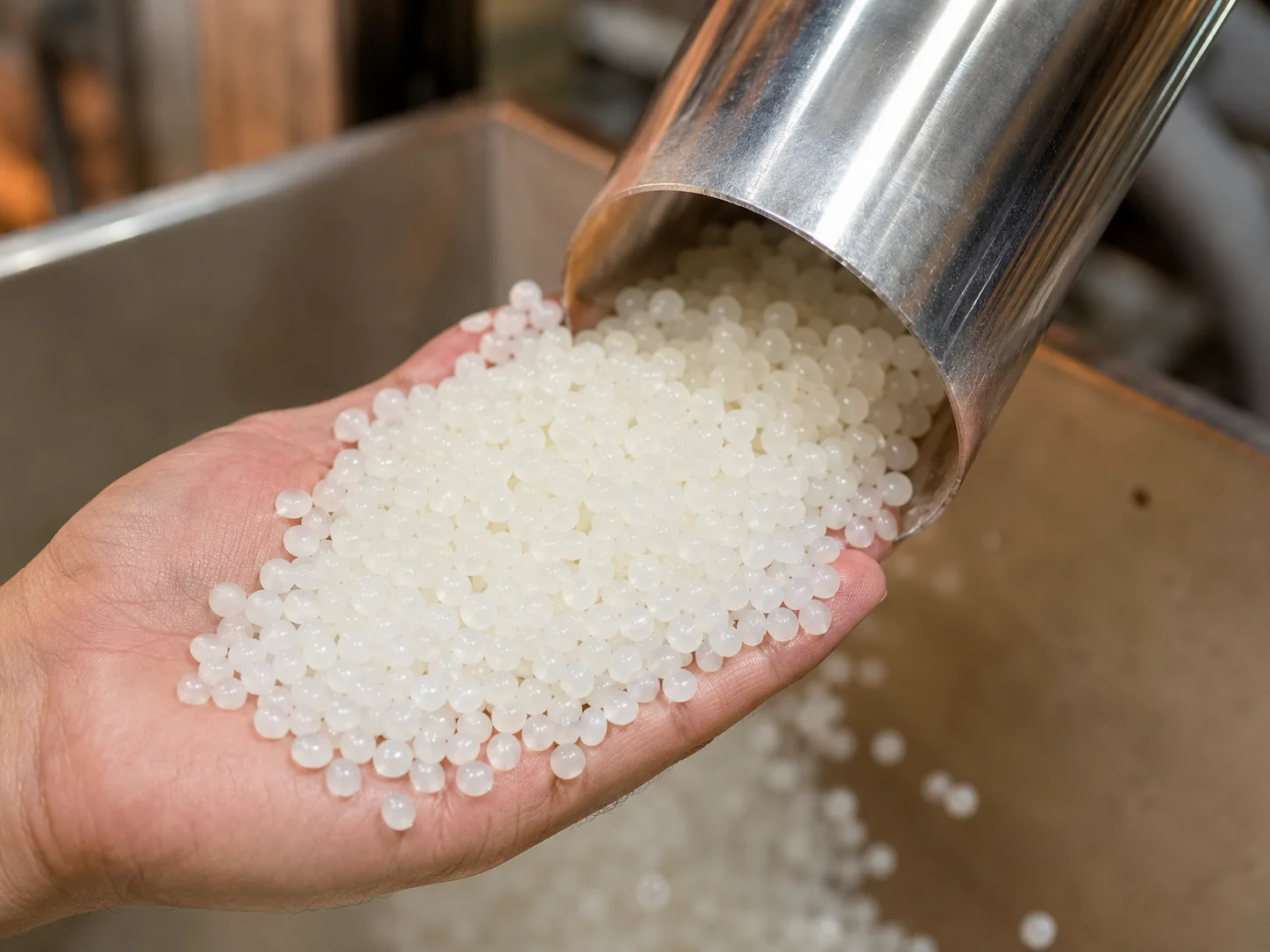
Control temperature zones and mixing status to keep melt flow, melt extrusion and output stable.
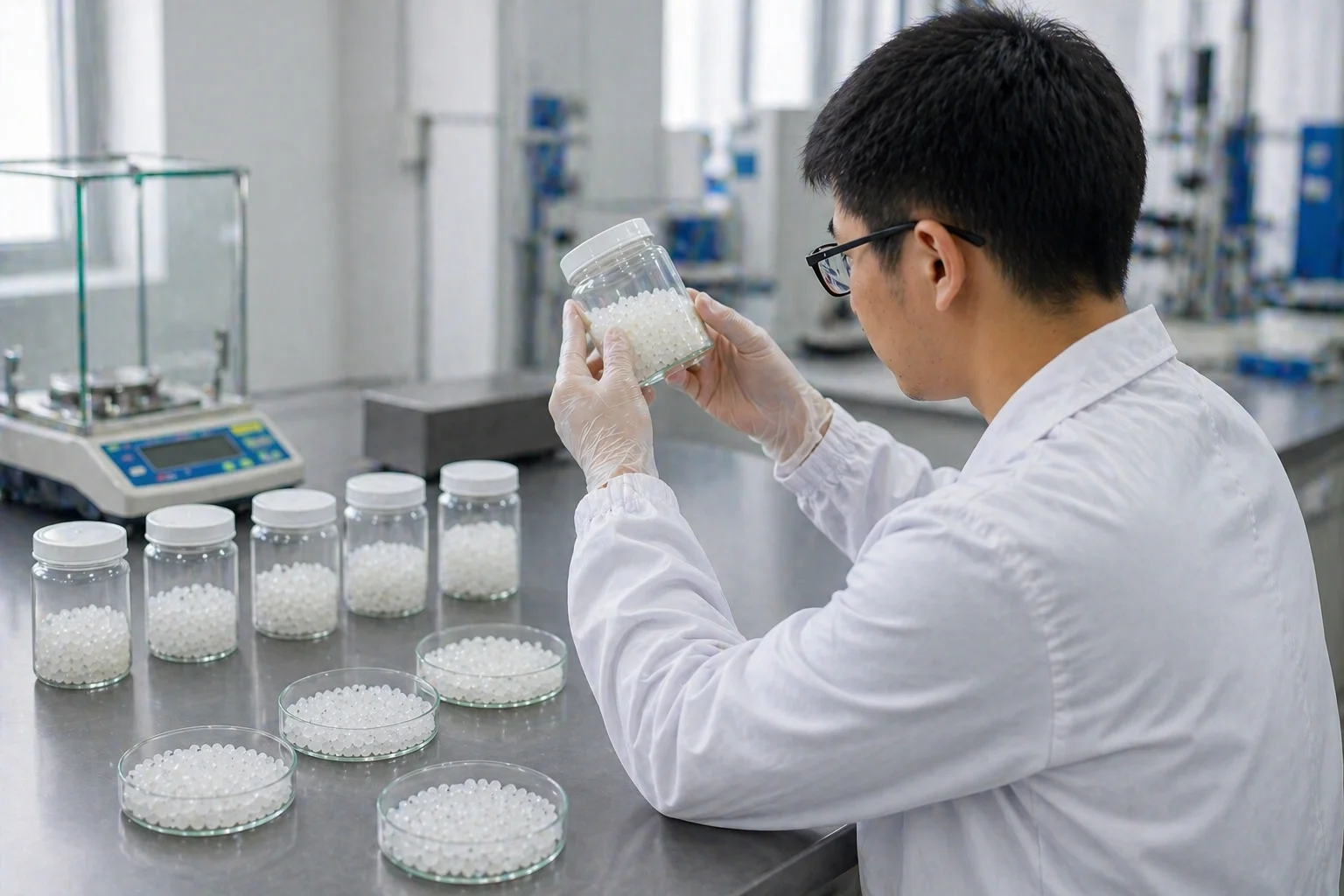
Verify viscosity, softening point, color and bonding performance before shipment.
FAQ
Common causes include paper type, milling depth, insufficient spine penetration, mismatched open time or pressing. We check the real book structure before recommending a grade.
Thick books bend the spine more. If the adhesive is too rigid or lacks low-temperature flexibility, cracking becomes more likely.
Sometimes, but spine glue focuses on penetration and page-pull strength, while side glue focuses on cover bonding and appearance.
Temperature, charring, viscosity drift and equipment condition can all affect the glue line. Heat stability matters on continuous lines.
Paper samples, book thickness, equipment type, glue temperature, line speed, milling method and failure photos are very helpful.
Tell us your paper type and binding process, application method and use environment. We will help match a more suitable bookbinding hot melt adhesive solution.