

Substrate wetting optimization
Improve adhesive spread on low-surface-energy films and reduce shrink-back or false bonding.

PACKAGING ADHESIVE SOLUTIONS
Hot melt adhesive for packaging and carton sealing lines, developed to solve weak bonding on laminated cartons, hot-weather carton opening, stringing and line-speed matching.
What This Solves
Production Diagnosis
Different substrates, line speeds and use environments create different bonding problems. We optimize from formulation, process windows and on-site application parameters.
Turn line problems into formulation and process targets.

Every problem maps to a verifiable, adjustable and practical optimization path.
Optimization Target
Improve initial tack and surface wetting
Cause Analysis
Laminated paper, UV-coated paper and high-gloss surfaces usually have low surface energy. Standard hot melt adhesive may stay on the surface without enough wetting, causing false bonding and lower peel strength over time.
Expected Result
Stronger bonding on laminated cartons, more stable peel strength after storage, and fewer false-bonding, edge-lifting and opening issues.
Optimization Path
Improve adhesive spread on low-surface-energy films and reduce shrink-back or false bonding.
Adjust tackifier compatibility to improve initial tack, peel strength and long-term adhesion stability.
Match open time to line speed so the adhesive wets before compression and sets after bonding.
Align temperature, glue amount and compression pressure to build a stable process window.
Application Matching
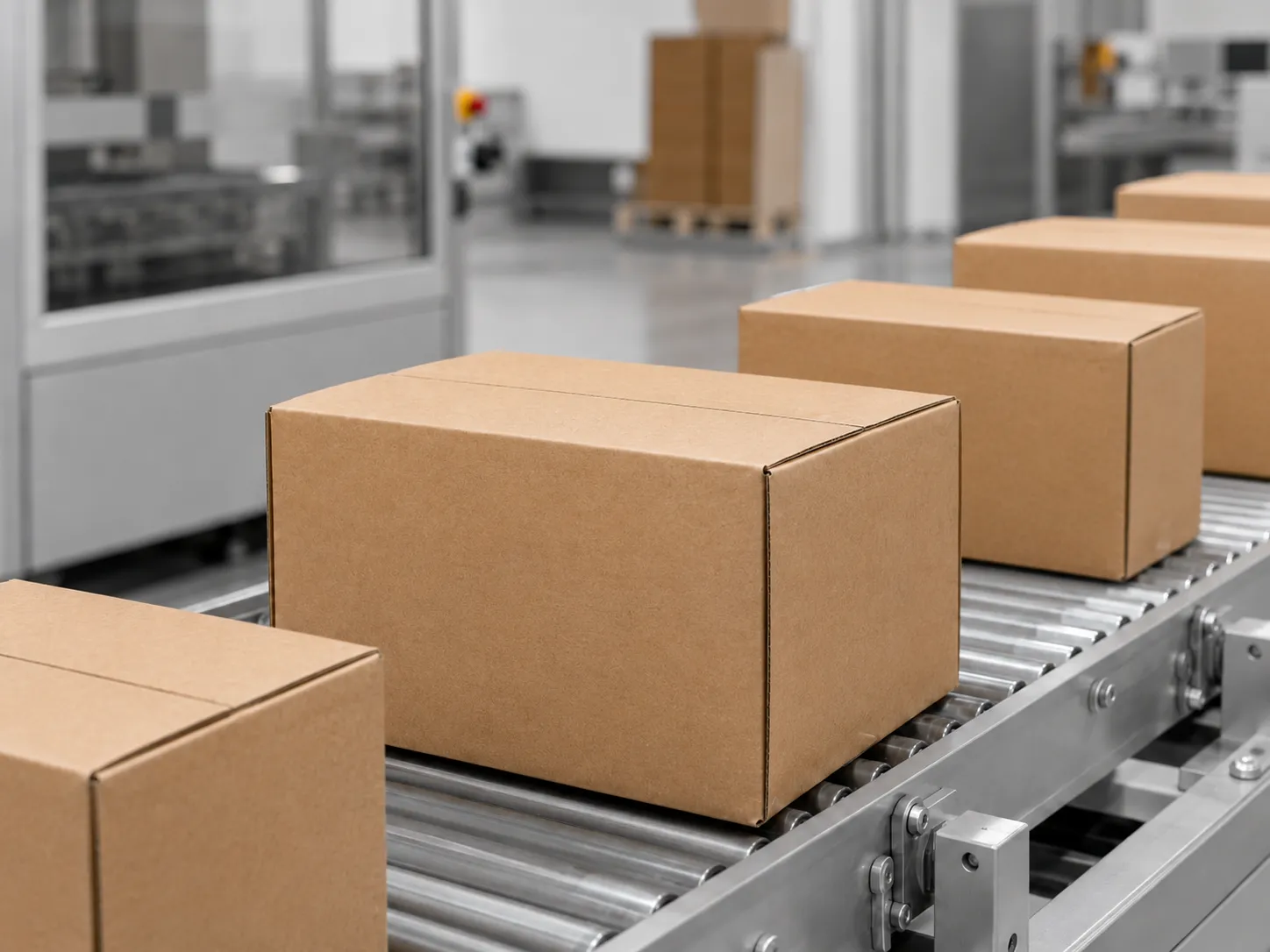
Application Scenes
For standard cartons, shipping boxes and paper box packaging lines that need fast compression and stable sealing.
Matched adhesive
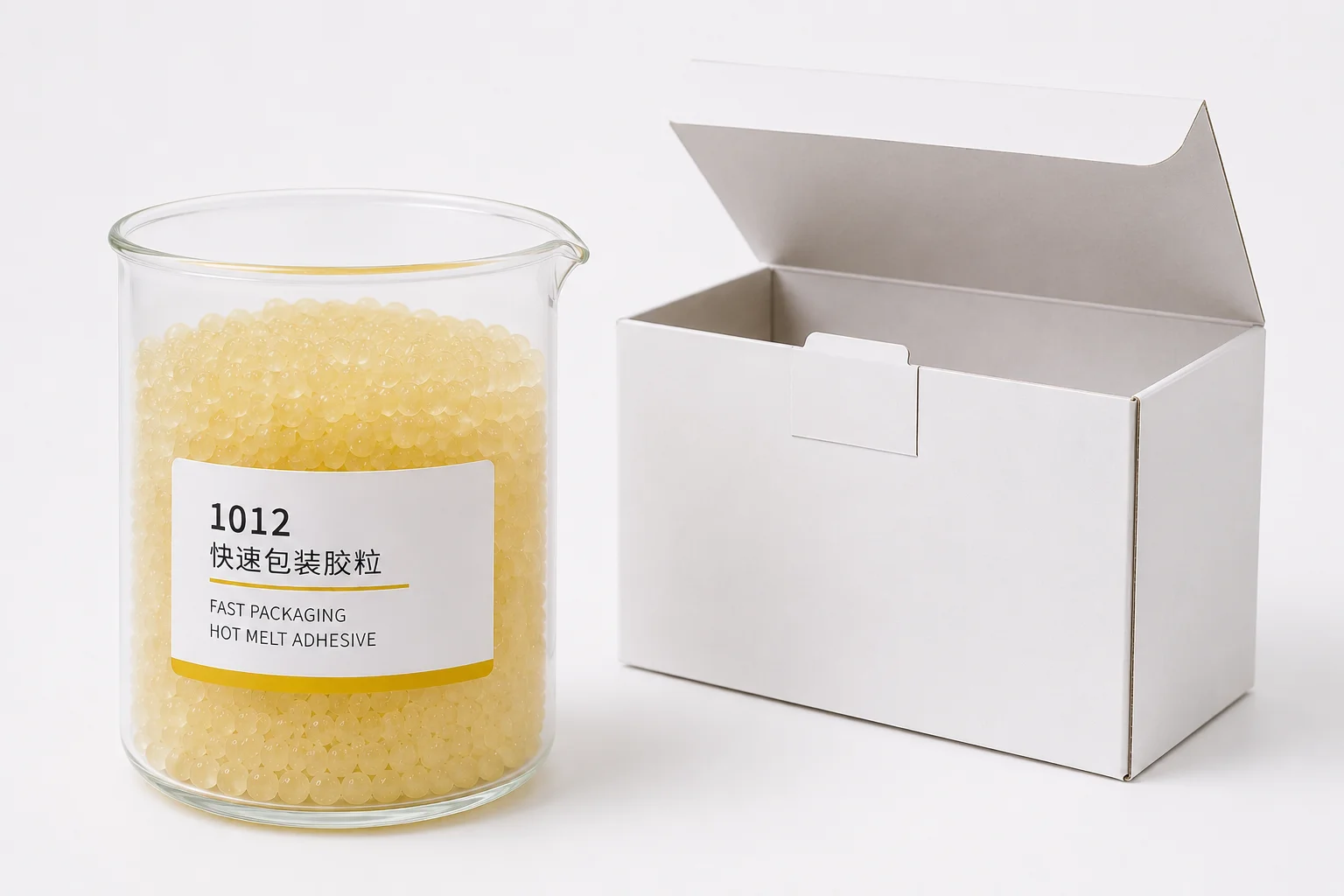
Fast-setting granule for carton and paper box lines with short compression time and continuous sealing rhythm.
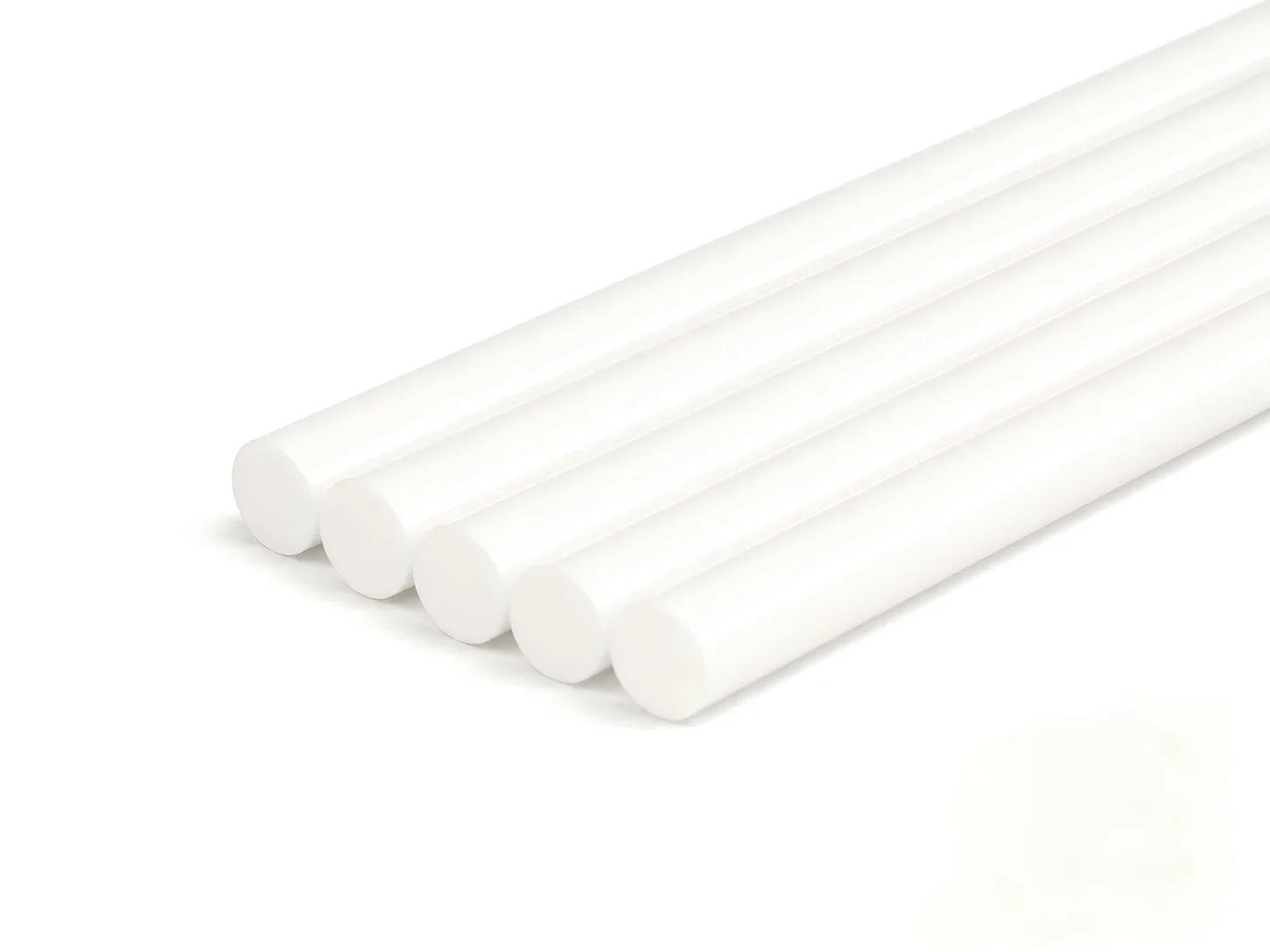
Cleaner white glue line for light-colored cartons, manual repair and visible bonding positions.
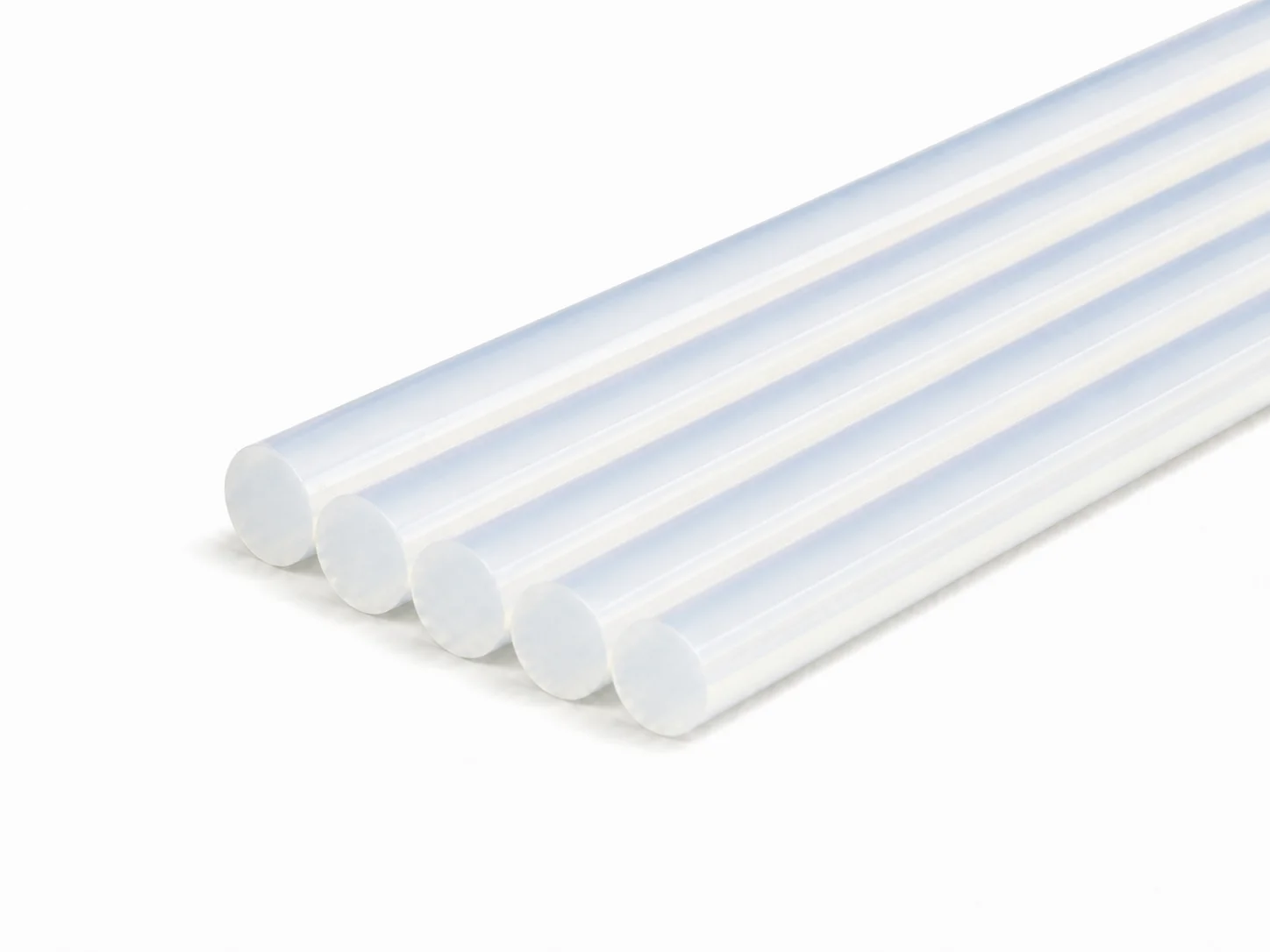
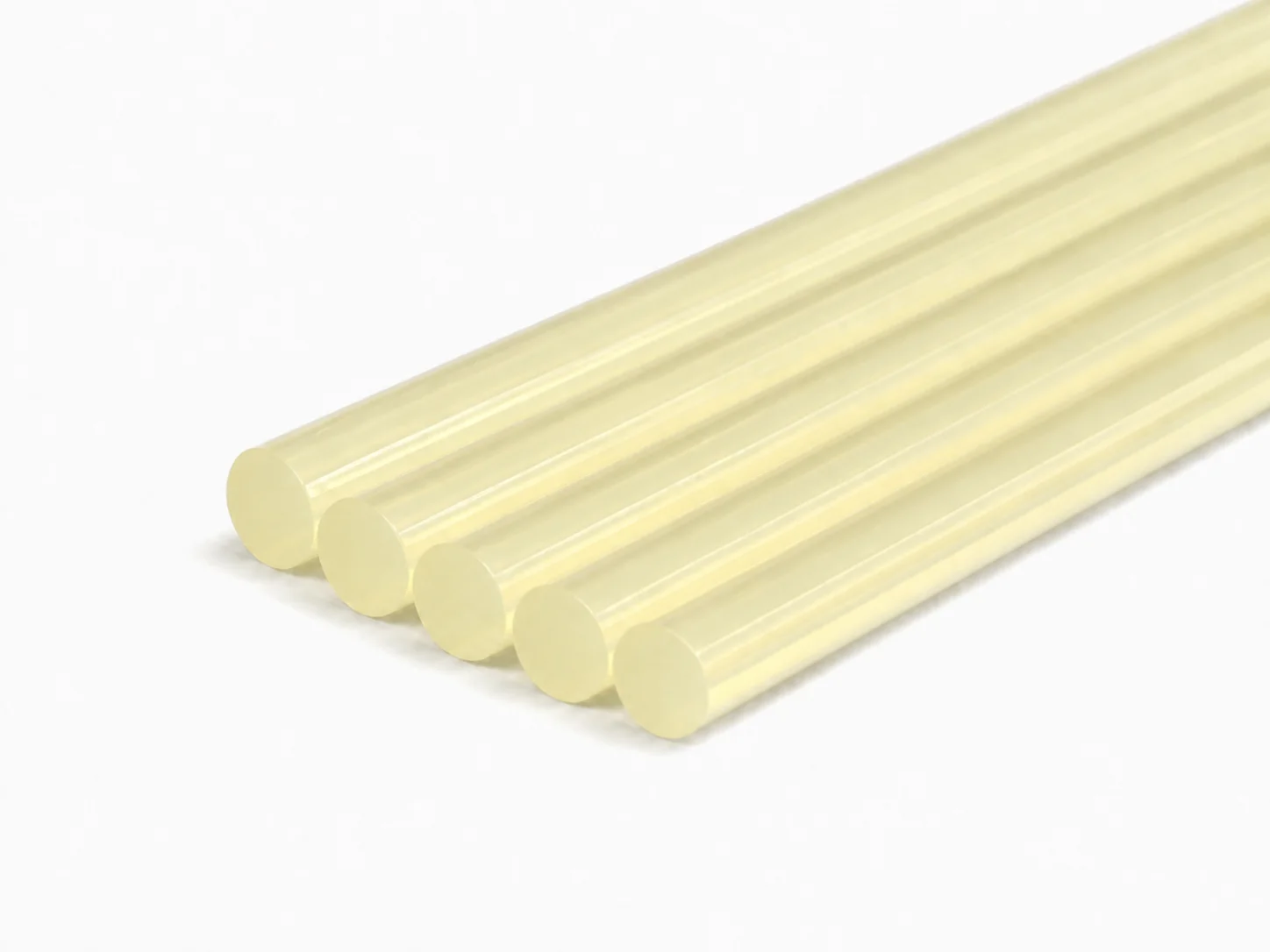
General-purpose stick for daily paper box bonding, smooth melting and stable glue output.
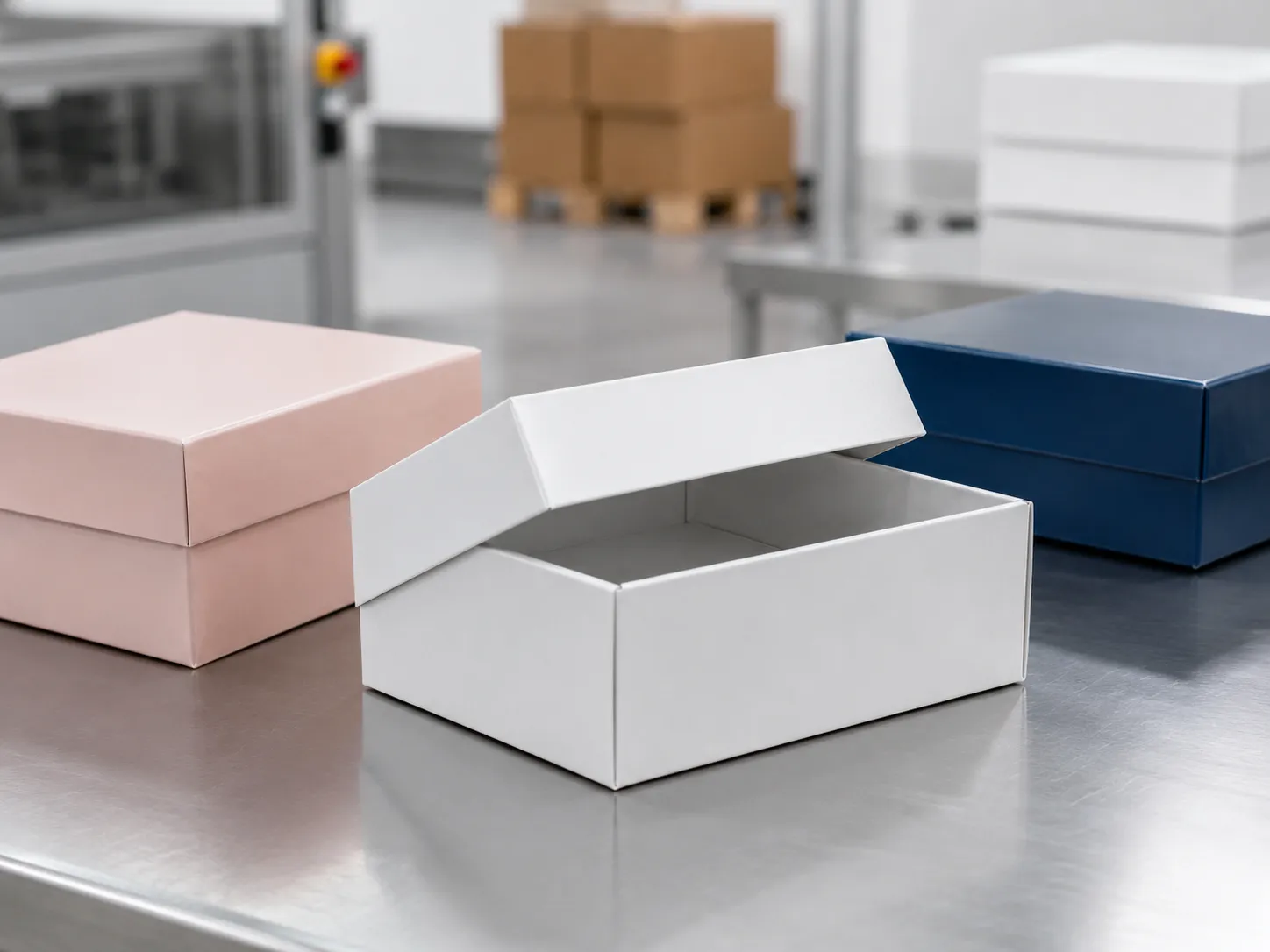
Application Scenes
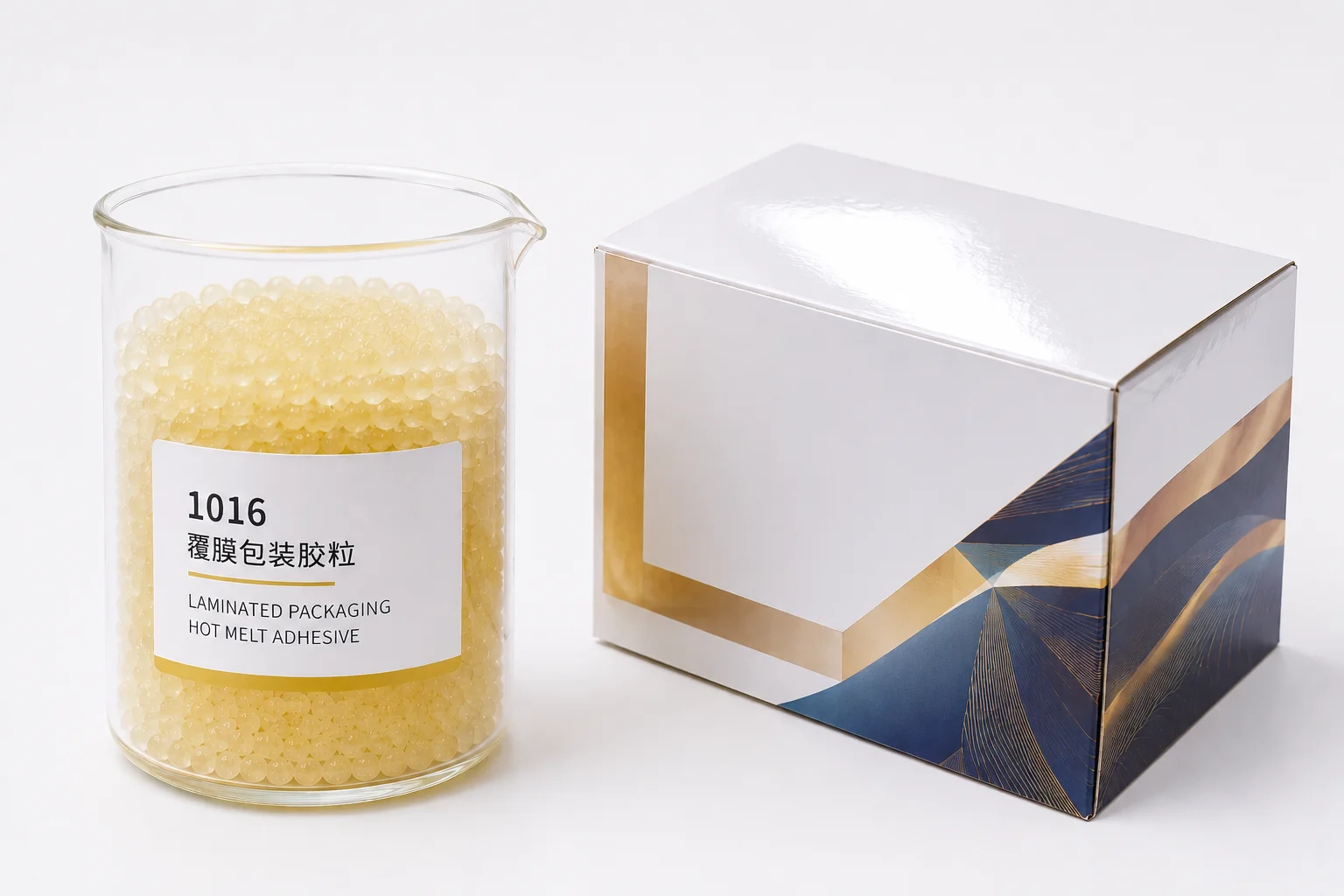
For coated paper boxes, laminated gift boxes and color box packaging where surface adhesion is the key challenge.
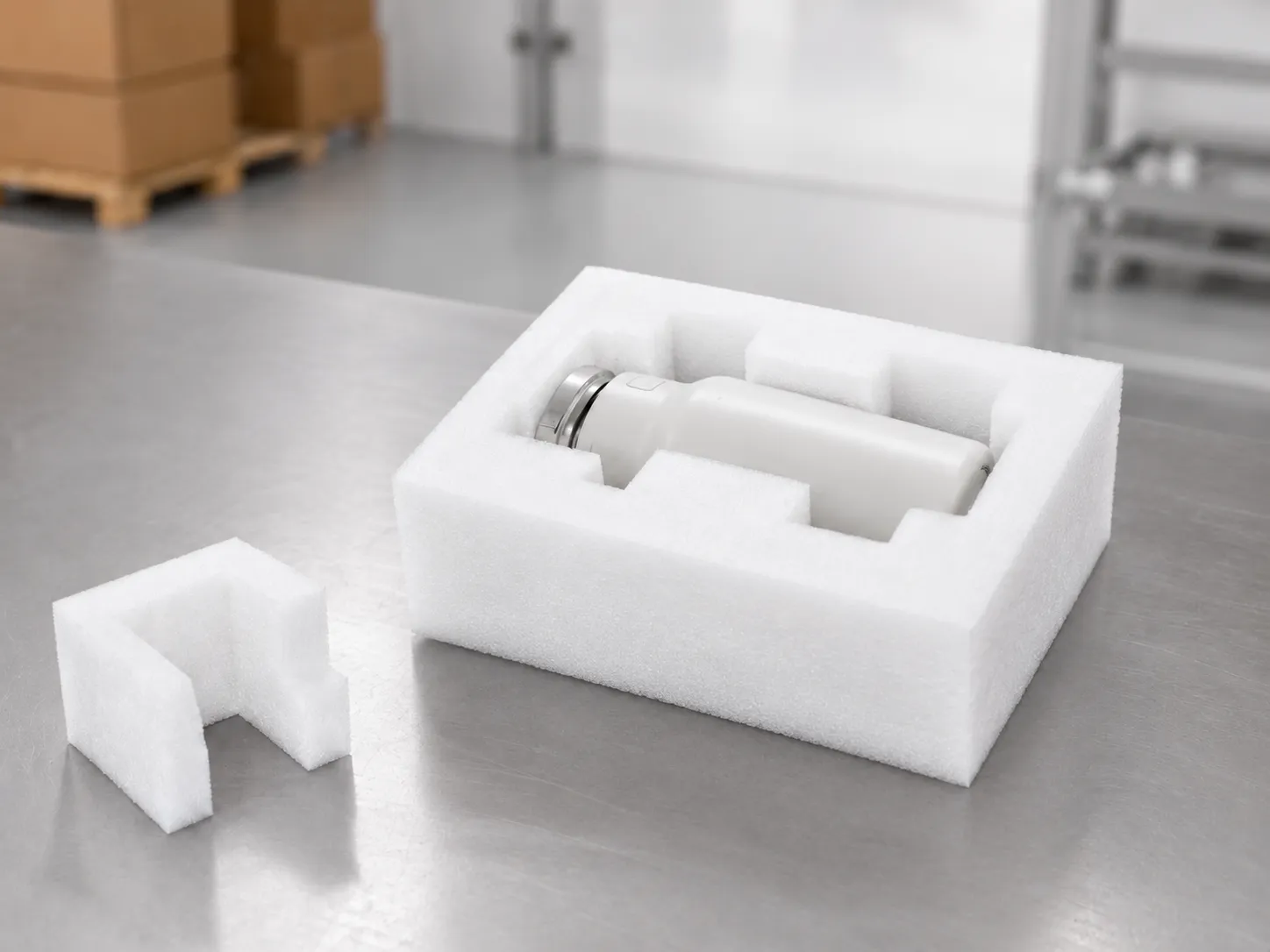
Application Scenes
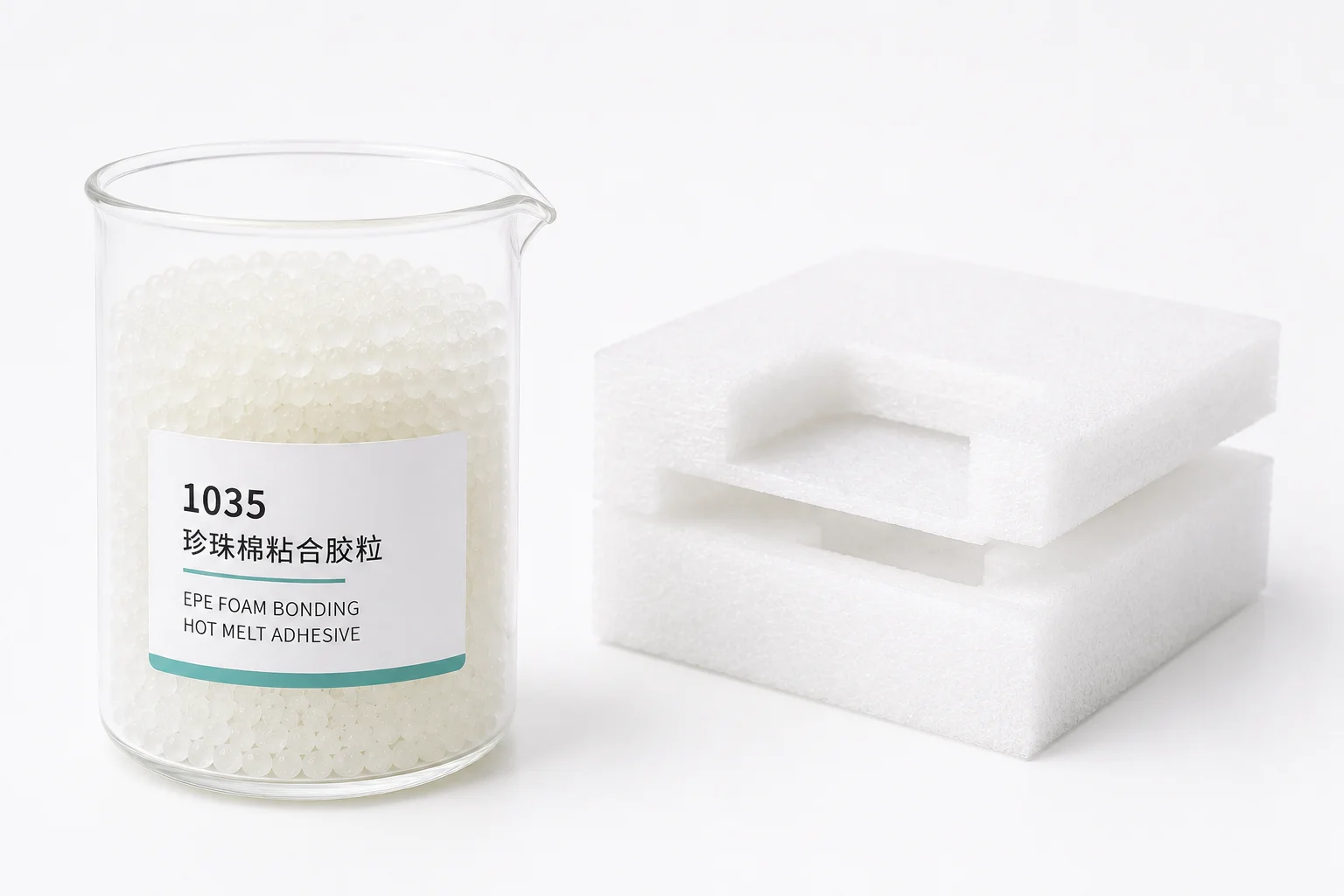
For pearl cotton lining, foam trays and protective packaging inserts that need quick bonding without damaging the material.
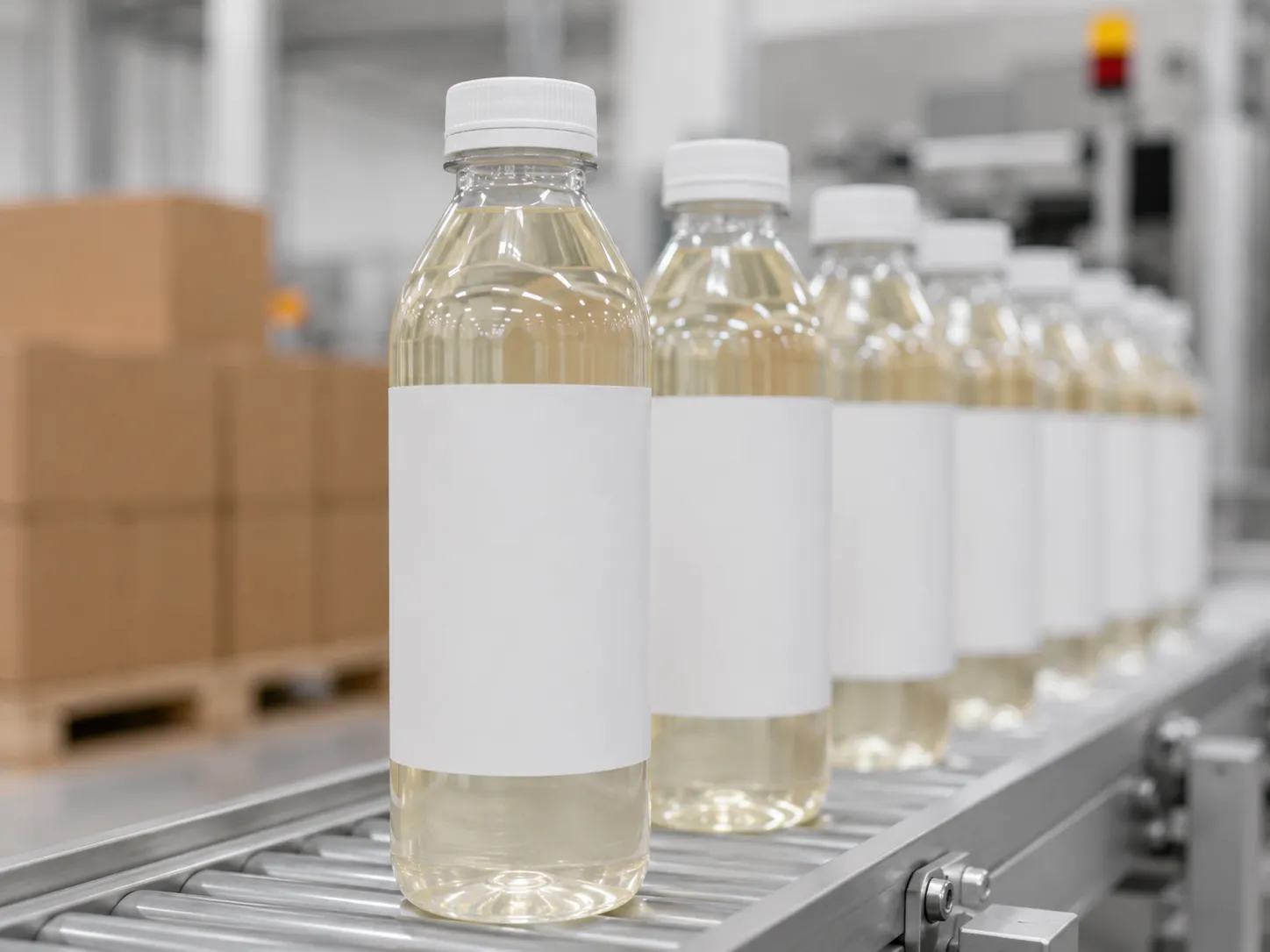
Application Scenes
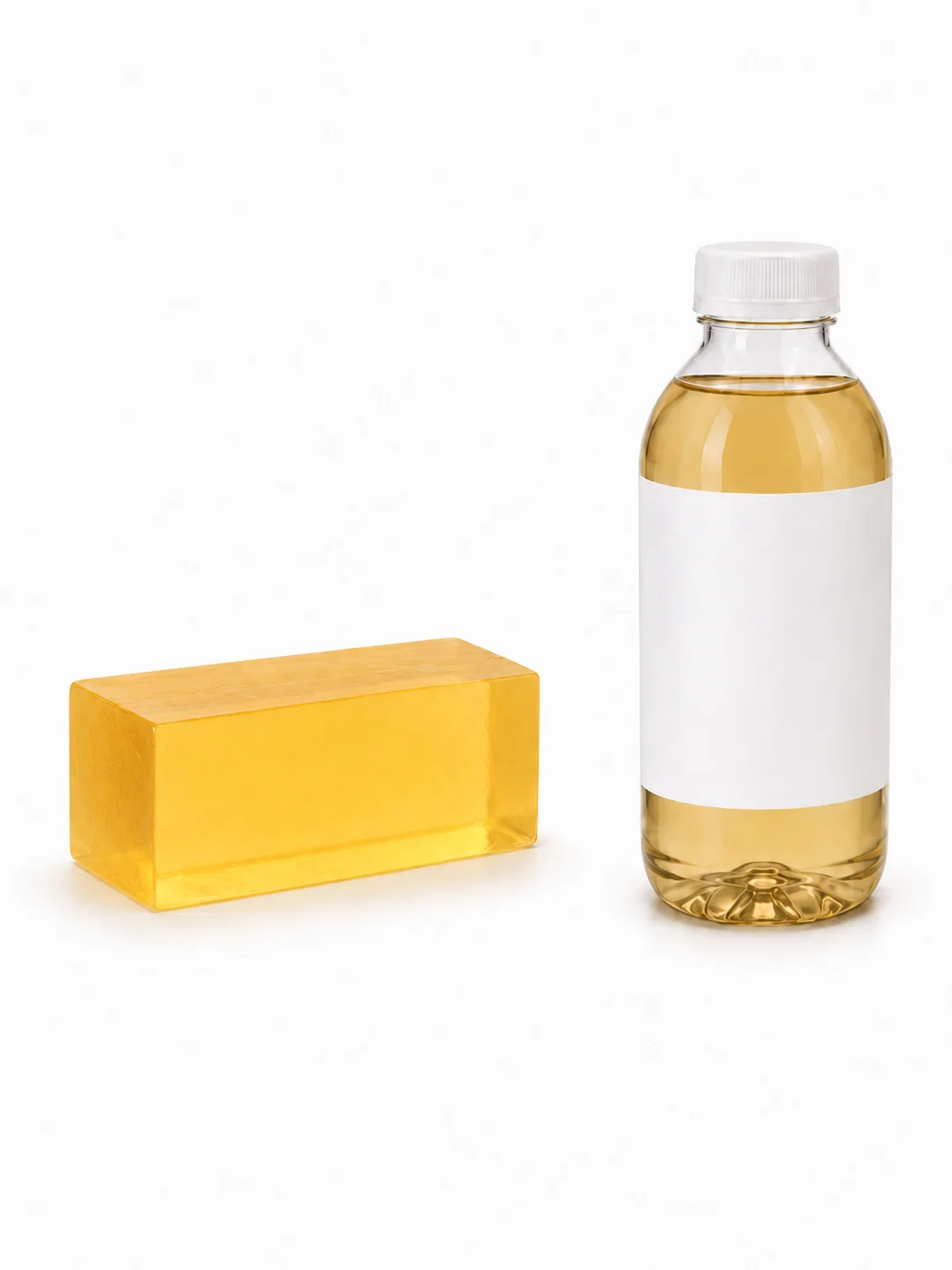
For bottled water, beverage and daily chemical container labeling lines that require clean label positioning.
Why Stable
Packaging lines care about speed, clean glue lines and batch consistency. We control raw materials, formula validation, melt processing and batch testing so the adhesive behaves predictably on different cartons, films and equipment.
View Testing System →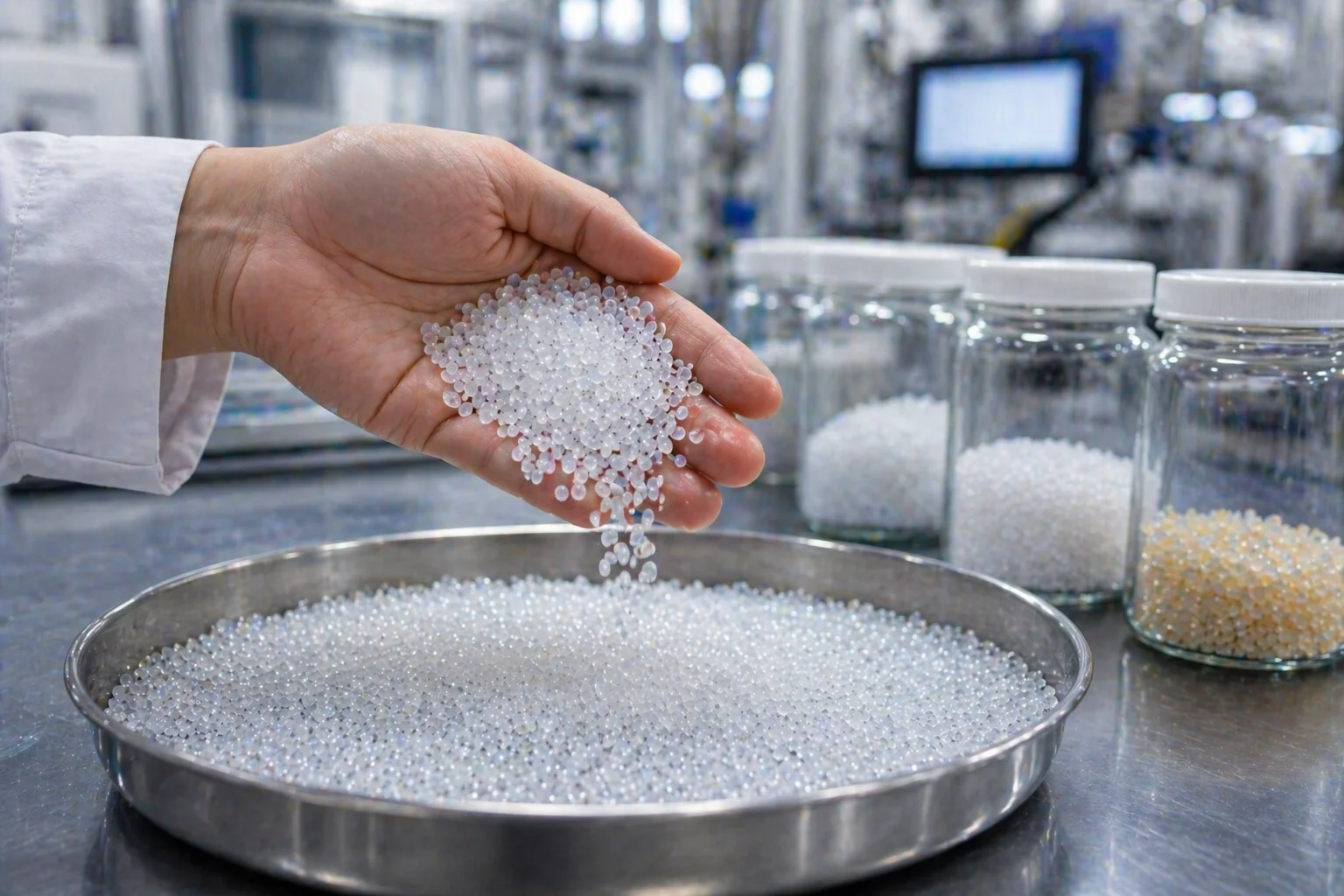
Screen resin, wax and polymer batches before production to reduce fluctuation at the source.
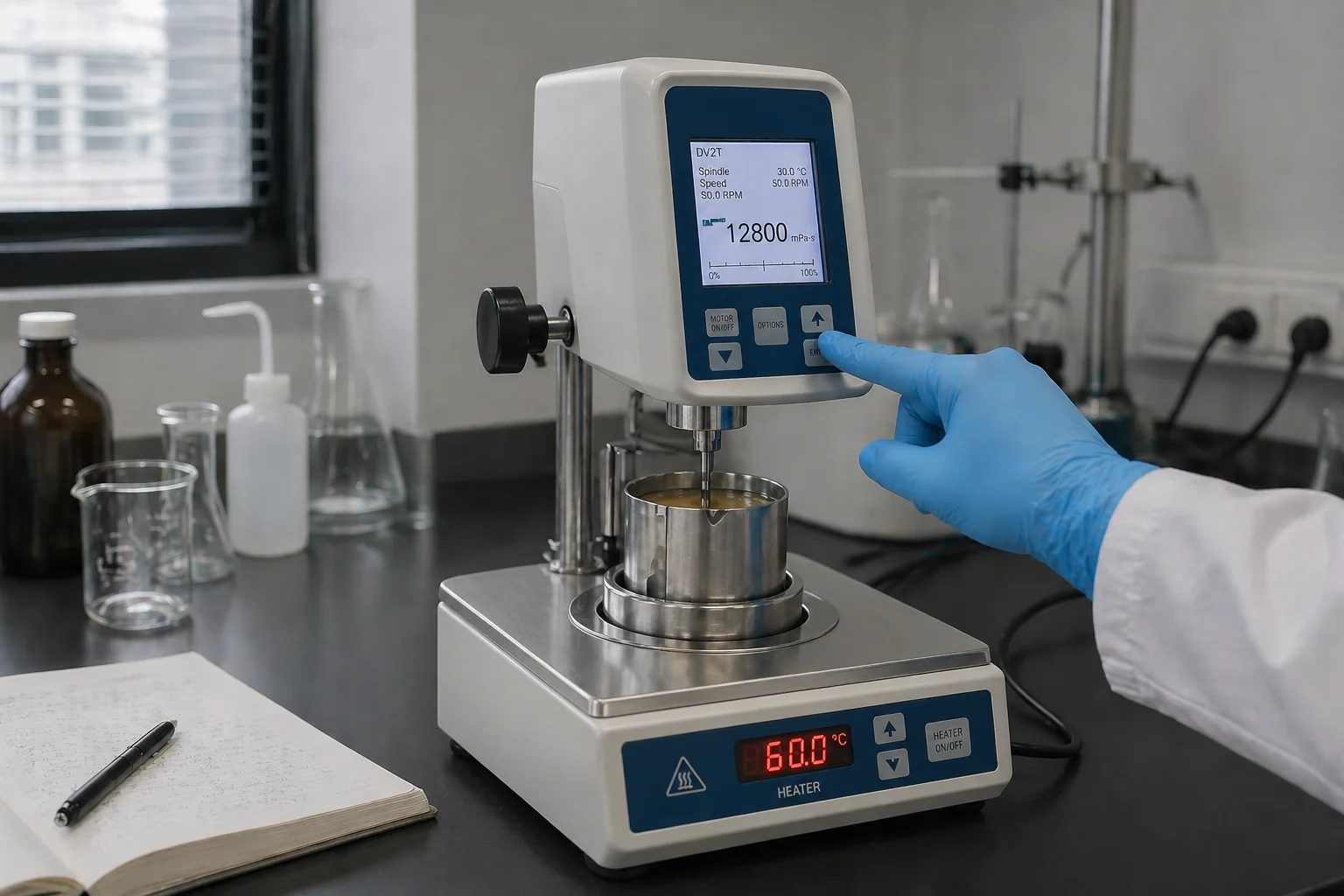
Balance setting speed, open time, heat resistance and bonding strength around the target materials, equipment window and end-use conditions.
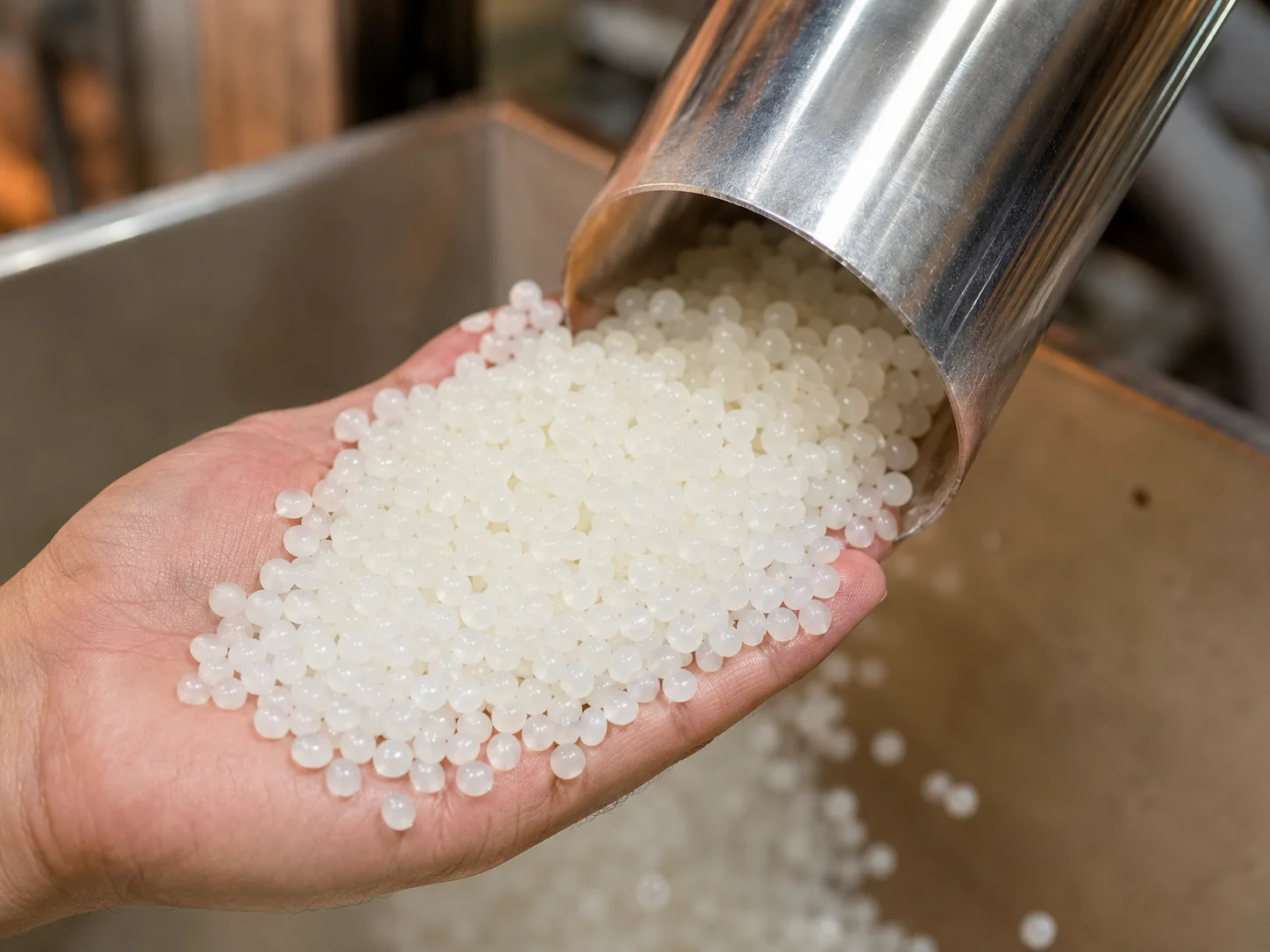
Control temperature zones and mixing status to keep melt flow, melt extrusion and output stable.
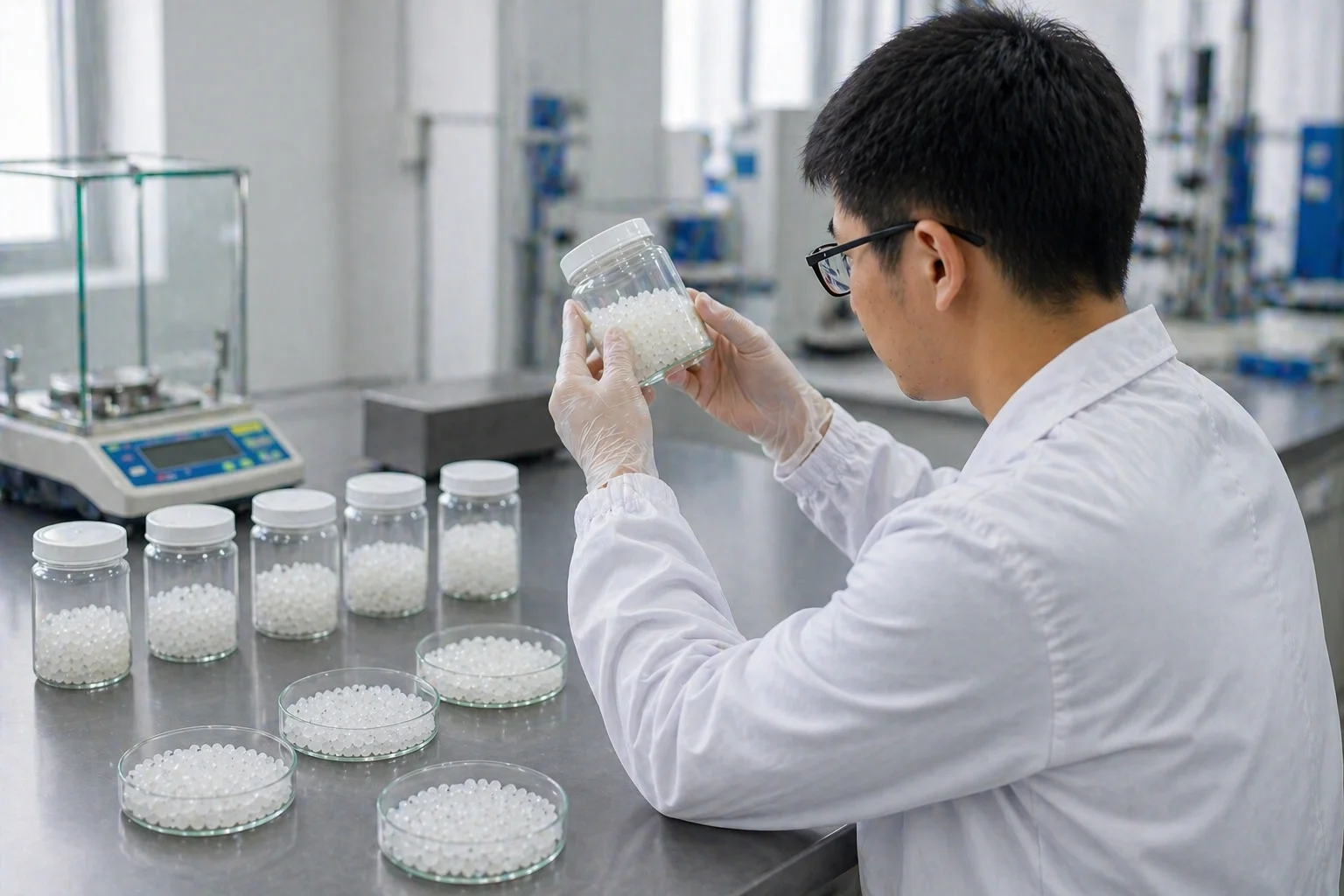
Verify viscosity, softening point, color and bonding performance before shipment.
FAQ
The key is to look at the surface treatment first, not only the carton name. Gloss film, matte film, oil coating and UV coating all have different surface energy, so we usually confirm the substrate sample, glue application method, compression time and box structure before recommending a grade. For difficult coated surfaces, we prioritize wetting ability, initial tack and peel stability, then verify whether the bond stays stable after folding, pressing and short-term storage.
Please provide the carton or film material, line speed, glue application equipment, nozzle or wheel coating method, glue temperature, compression time, glue line position and current problem. Photos or short videos of the production line are also helpful. With this information, we can judge whether the issue is mainly setting speed, open time, viscosity, heat resistance, substrate adhesion or equipment adjustment, then prepare samples that are closer to your real production conditions.
Yes. For high-speed lines, we focus on fast setting, stable melt flow, clean cut-off and low stringing. The adhesive needs to hold the carton during a short compression window while still allowing smooth spraying or wheel coating. If your line has nozzle stringing, delayed carton opening or unstable sealing at higher speed, we can adjust viscosity, setting speed and open time, then test the adhesive under your operating temperature and line rhythm.
Carton opening in hot conditions is usually related to heat resistance, creep resistance, glue amount, compression pressure and carton rebound. We first check whether the adhesive softens too much under the expected warehouse or truck temperature, then review whether the glue line is wide enough and whether compression is sufficient before the carton rebounds. For summer transport, we can recommend higher heat-resistance grades and test bonded samples after heat aging, stacking pressure and recovery.
A general packaging adhesive can cover many standard paper cartons, but it is not always the best choice for every structure. Laminated boxes, heavy beverage cartons, EPE protective lining and bottle labeling each require different balances of tack, open time, flexibility, heat resistance and application cleanliness. We usually recommend using a main grade for common cartons and separate grades for difficult coated surfaces, foam materials or labeling lines, so production is more stable and troubleshooting is easier.
Tell us your substrate, application method and use environment. We will help match a more suitable hot melt adhesive solution.