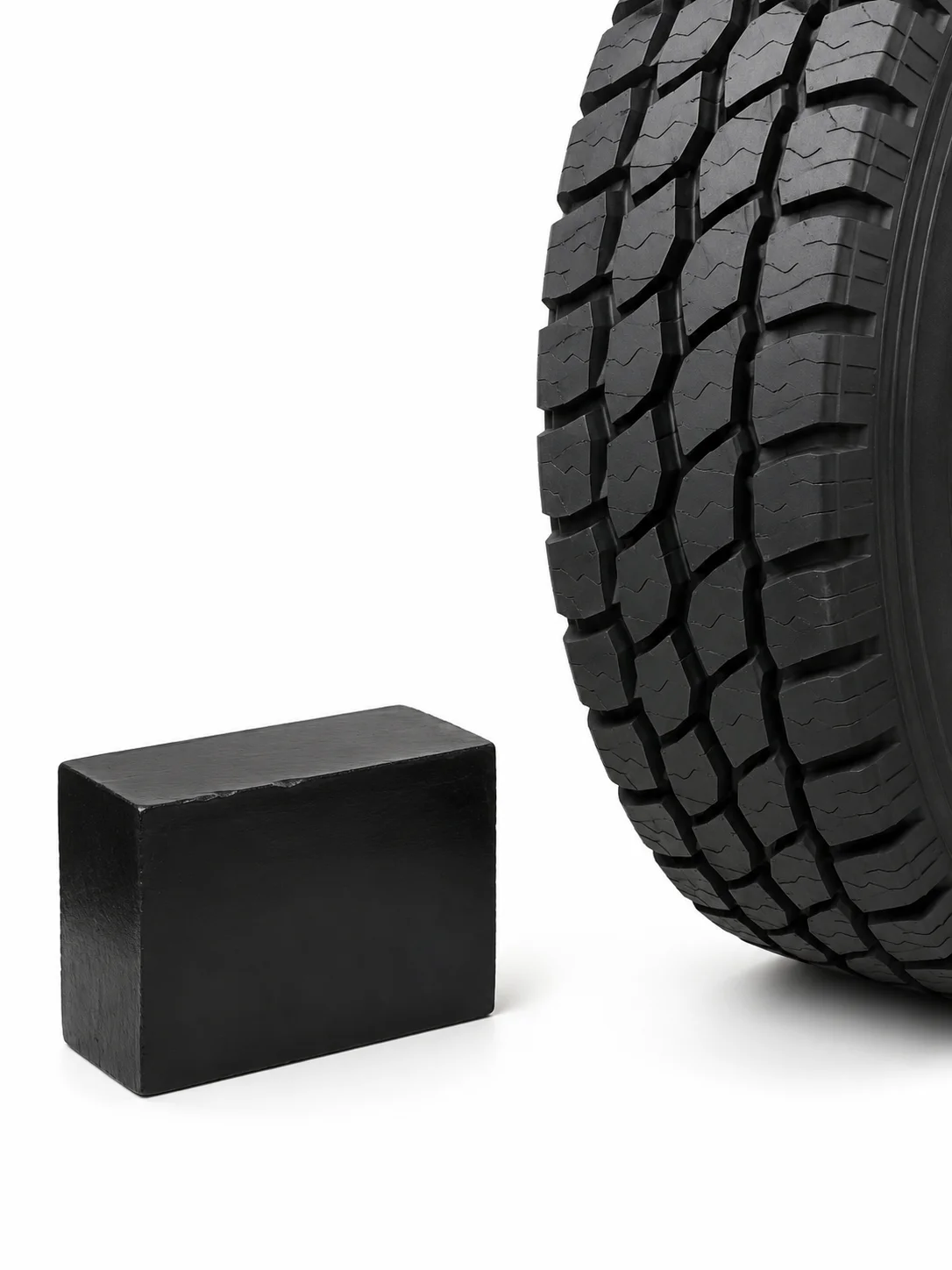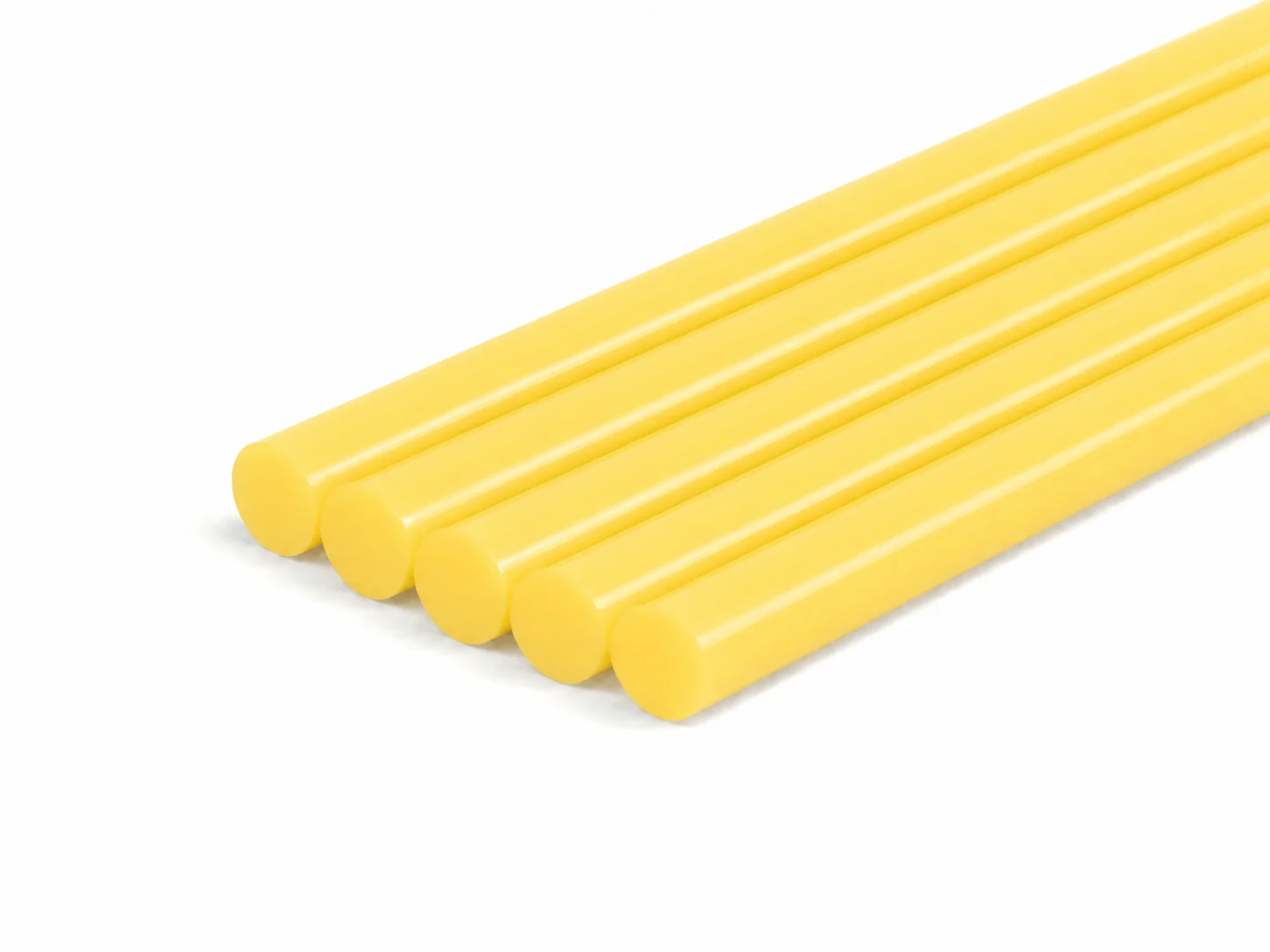


Substrate surface analysis
Identify substrate type, surface energy, roughness, pore structure and surface treatment to assess bonding challenges.
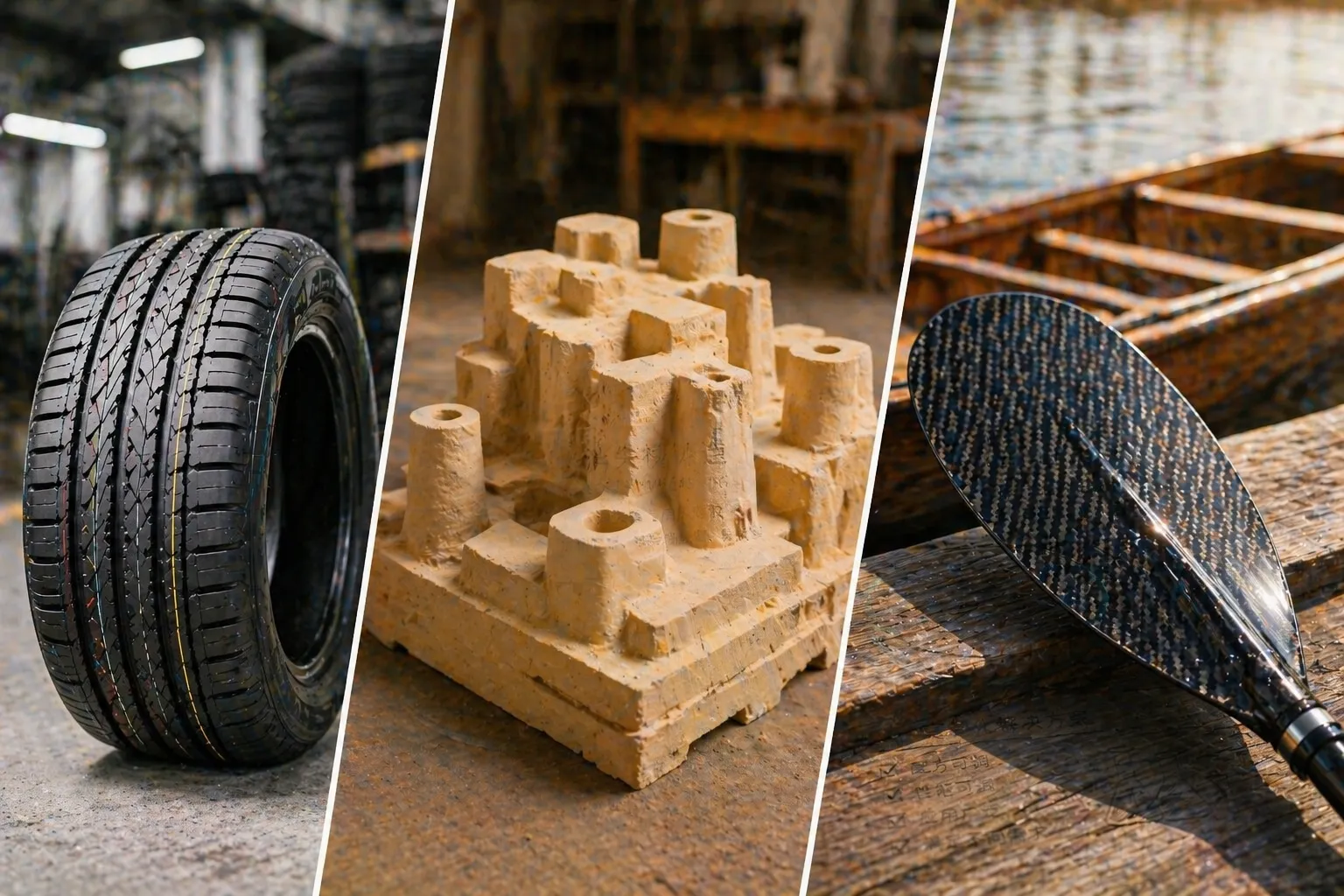
Special Customization
Customized hot melt adhesive support for special materials, unusual processes and targeted performance requirements.
What This Solves
Production Diagnosis
Special Customization applications require the adhesive to match substrates, process rhythm and final-use performance. We translate site problems into formulation targets and practical process windows.
Turn line problems into formulation and process targets.

Every problem maps to a verifiable, adjustable and practical optimization path.
Optimization Target
Build a dedicated bonding window
Cause Analysis
Special plastics, rubber, composites or treated surfaces often need a different resin and tackifier system.
Expected Result
More controllable wetting, tack and final strength.
Optimization Path
Identify substrate type, surface energy, roughness, pore structure and surface treatment to assess bonding challenges.
Adjust resin, polymer and additive system to improve adhesive spreading and grip on special surfaces.
Based on assembly method, balance rapid positioning and later-stage bond strength to avoid fast-but-weak or strong-but-slow.
Confirm adhesive suitability for target substrates through peel, tensile, aging and real-condition tests.
Application Matching
Around special substrates, special processes and targeted performance goals, from material analysis, formula adjustment, sample verification to production introduction, we provide hot melt adhesive custom solutions closer to real use conditions.
Application Scenes
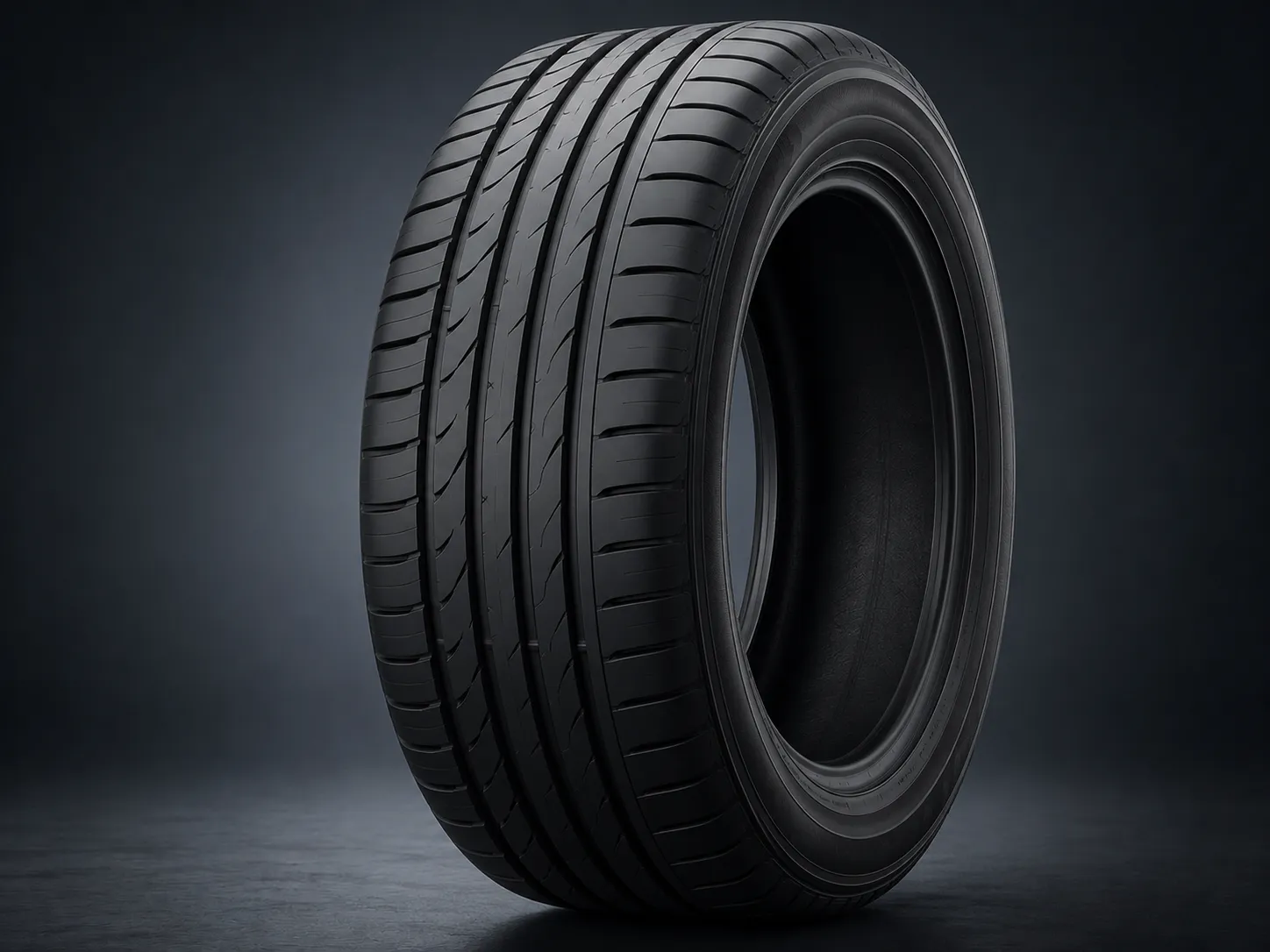
For tire internal cushioning, noise reduction and localized repair. Custom hot melt adhesive balancing rubber adhesion, flexible cushioning, temperature resistance and thermal flow performance.
Customization Focus
Optimize adhesive wetting, spreading and gripping on tire rubber surfaces to improve bonding stability between the adhesive layer and rubber substrate.
Adjust adhesive layer flexibility and elasticity to improve internal cushioning and noise reduction effects, lowering noise transfer during operation.
While meeting use temperature requirements, retain a degree of thermal response flow capability to improve localized filling and repair performance.
Matched Adhesive
Application Scenes
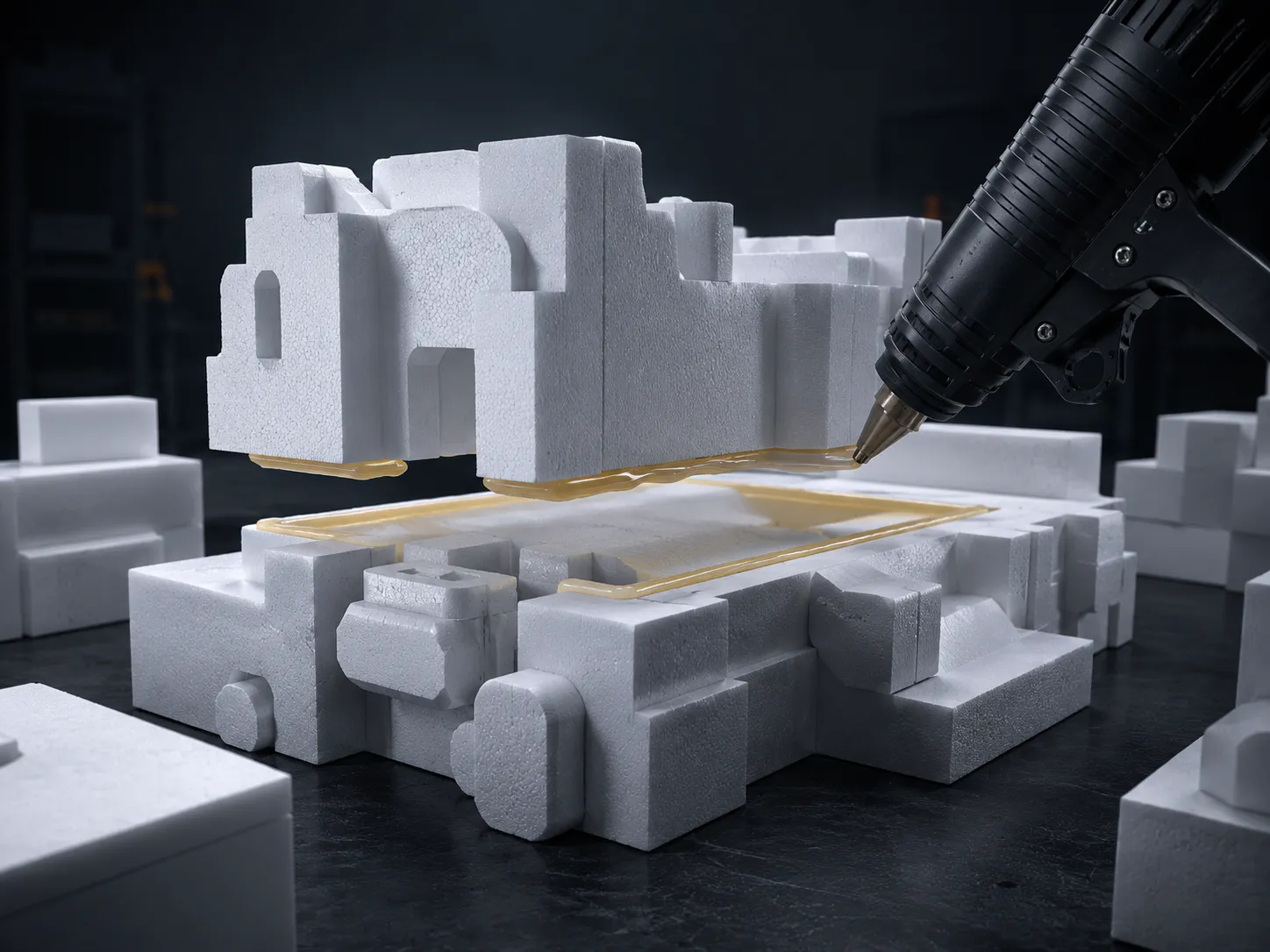
For lost foam polystyrene bonding process. Custom hot melt adhesive balancing low-temperature application, smooth dispensing, anti-shrinkage, cooling set and heat-resistant adhesive layer retention.
Customization Focus
Lower application temperature to reduce burn, deformation and shrinkage risk on foam substrates, improving application safety and substrate compatibility.
While maintaining smooth dispensing and complex structure filling capability, reduce shrinkage deformation after cooling to minimize bonding gap opening or pulling.
Optimize adhesive layer hardness, support strength and heat stability after cooling so bonding positions maintain shape stability during handling, placement or process environments.
Matched Adhesive
Application Scenes
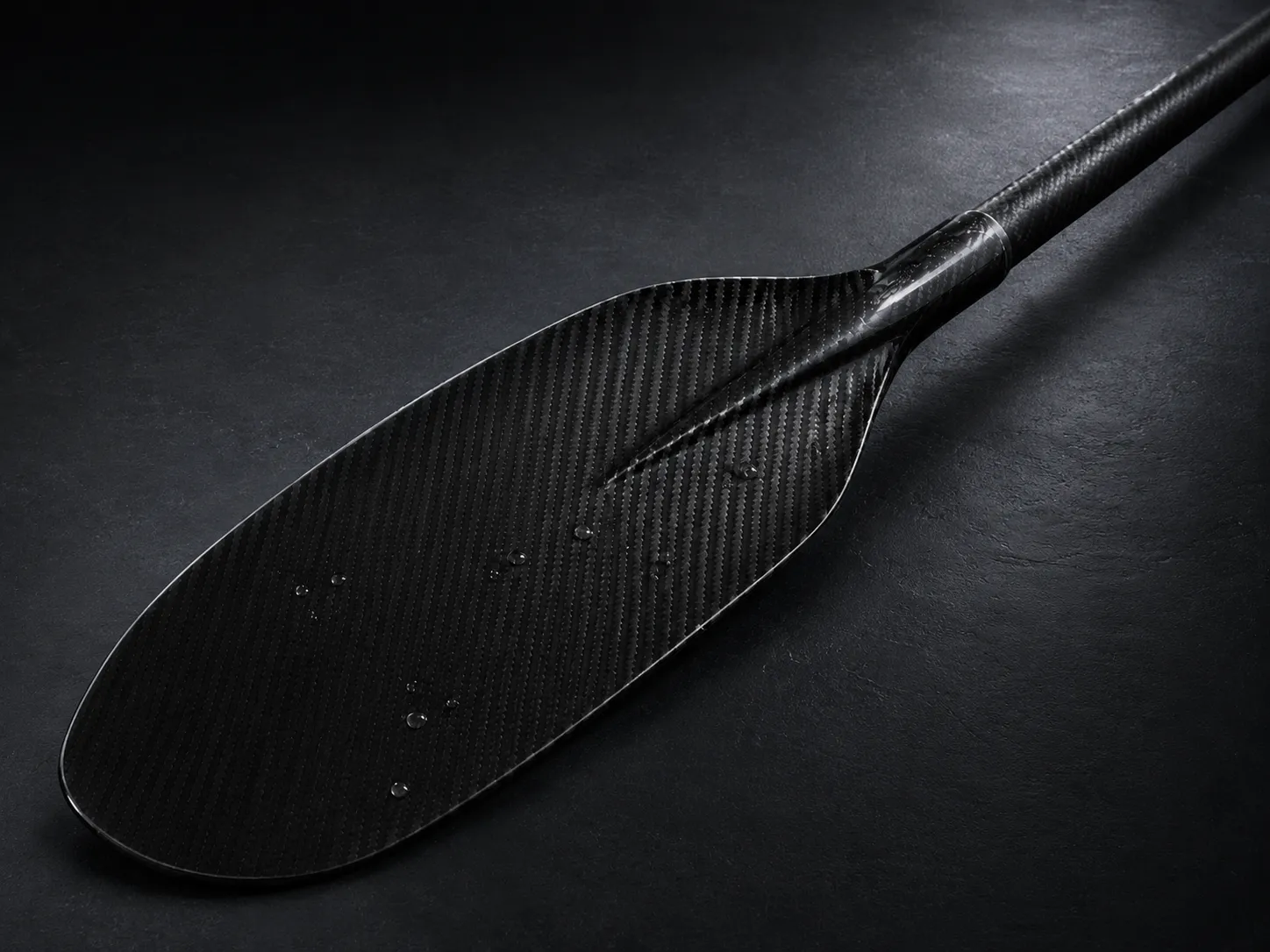
For carbon fiber paddles used repeatedly in water, air and high-temperature environments. Custom adhesive balancing heat resistance, waterproof retention, bonding stability and black color matching.
Customization Focus
Improve adhesive softening resistance and strength retention above 100°C to reduce displacement, loosening or detachment under heat.
Optimize water resistance, humid-heat resistance and repeated dry-wet environment bonding retention so the adhesive layer stays stable under repeated water and air contact.
Adjust adhesive color according to carbon fiber material appearance requirements for more coordinated visual integration.
Matched Adhesive
Why Stable
We verify special substrates, composite materials and non-standard parts, project sampling, performance verification and custom production introduction, application parameters and end-use conditions together, so the recommended adhesive can move from sample testing into repeatable production more smoothly.
View Testing System →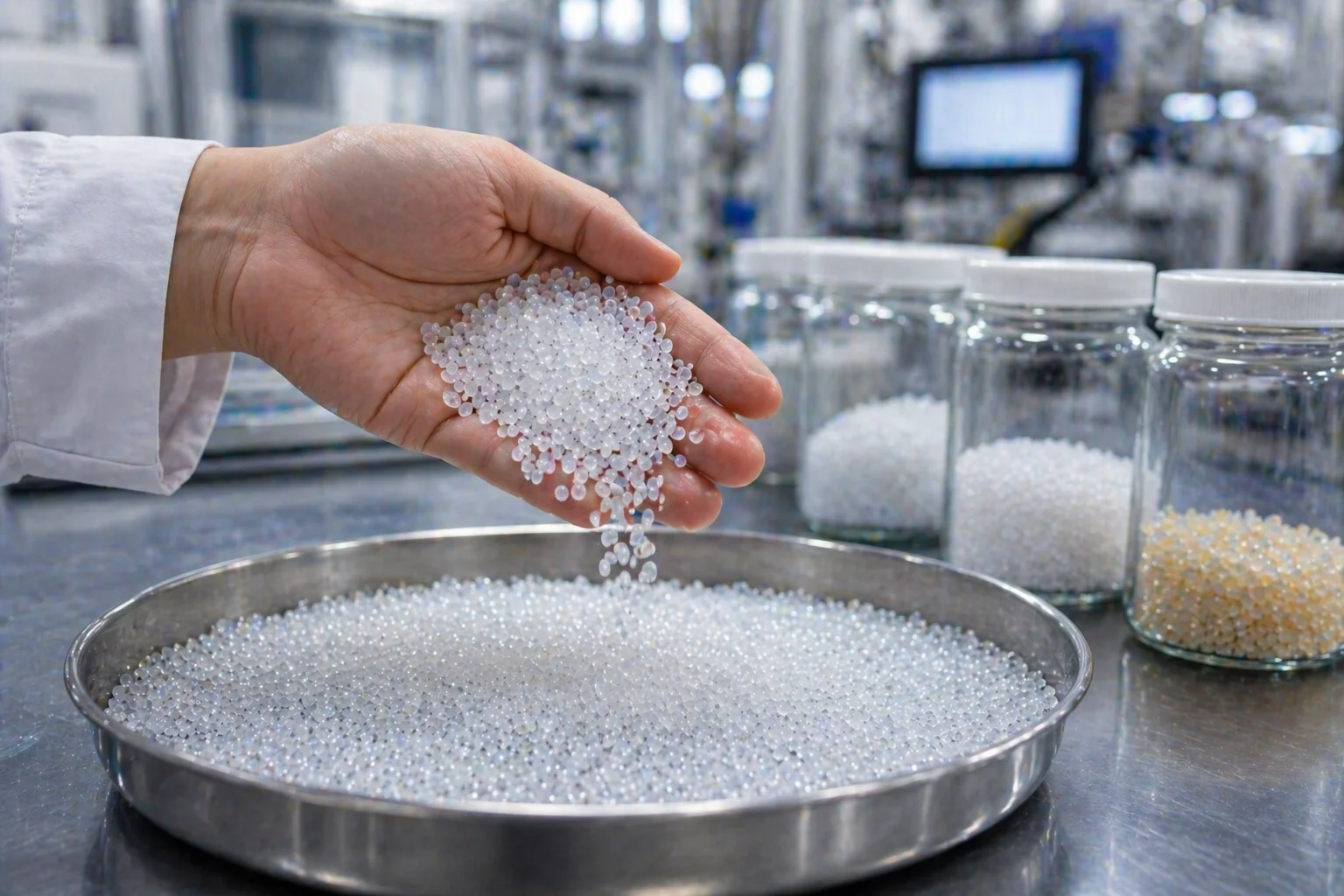
Screen resin, wax and polymer batches before production to reduce fluctuation at the source.
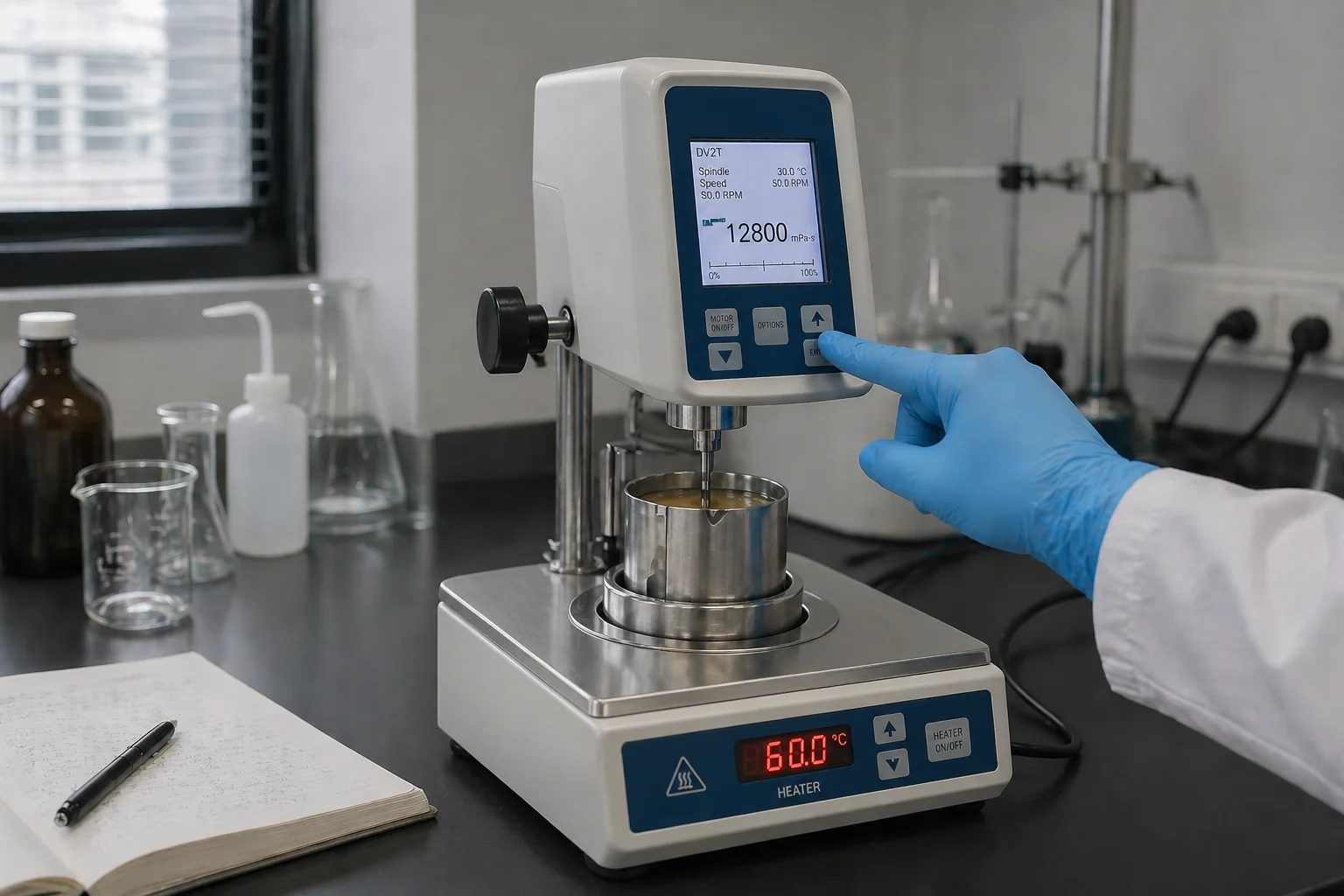
Balance setting speed, open time, heat resistance and bonding strength around the target materials, equipment window and end-use conditions.
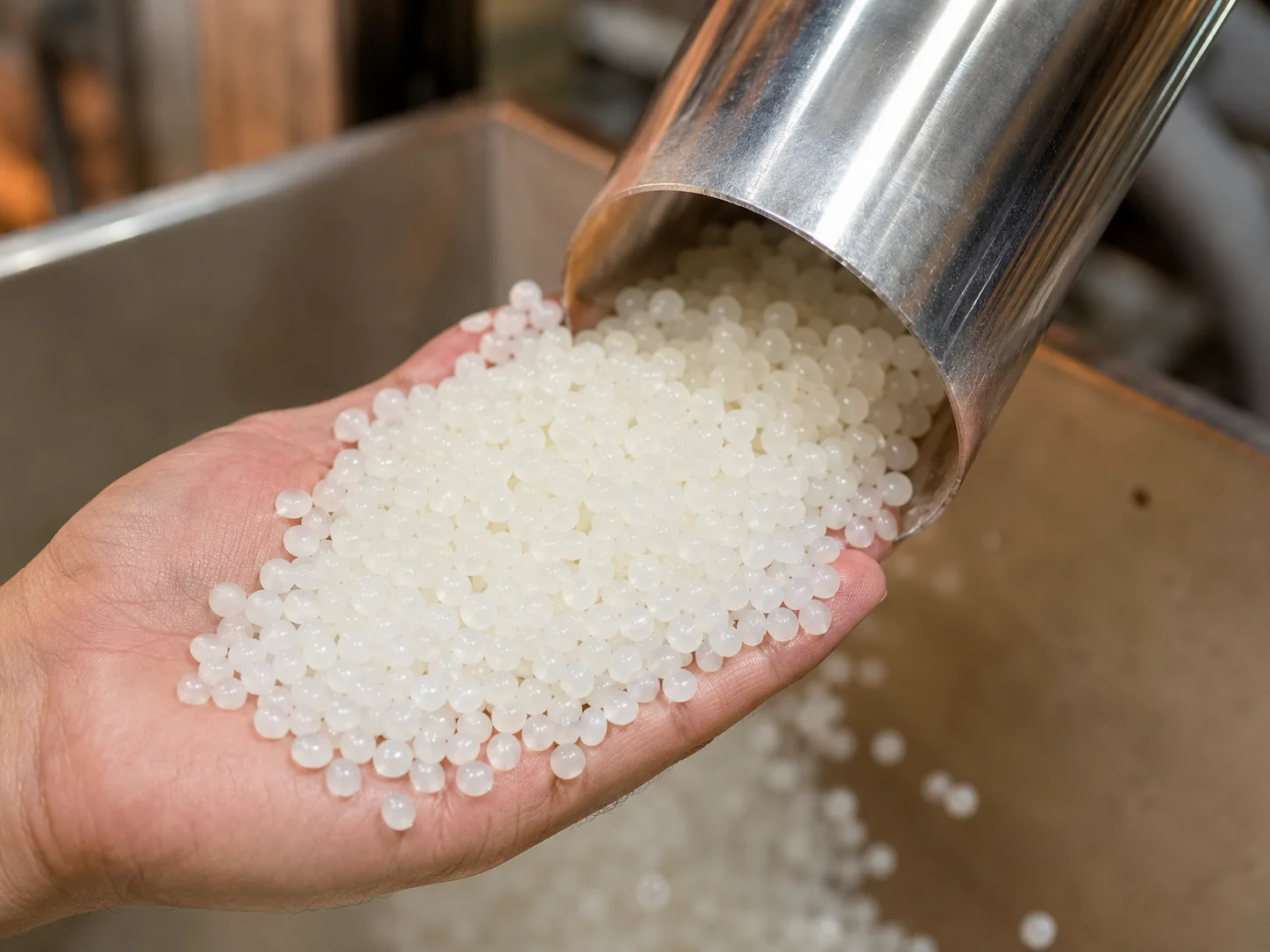
Control temperature zones and mixing status to keep melt flow, melt extrusion and output stable.
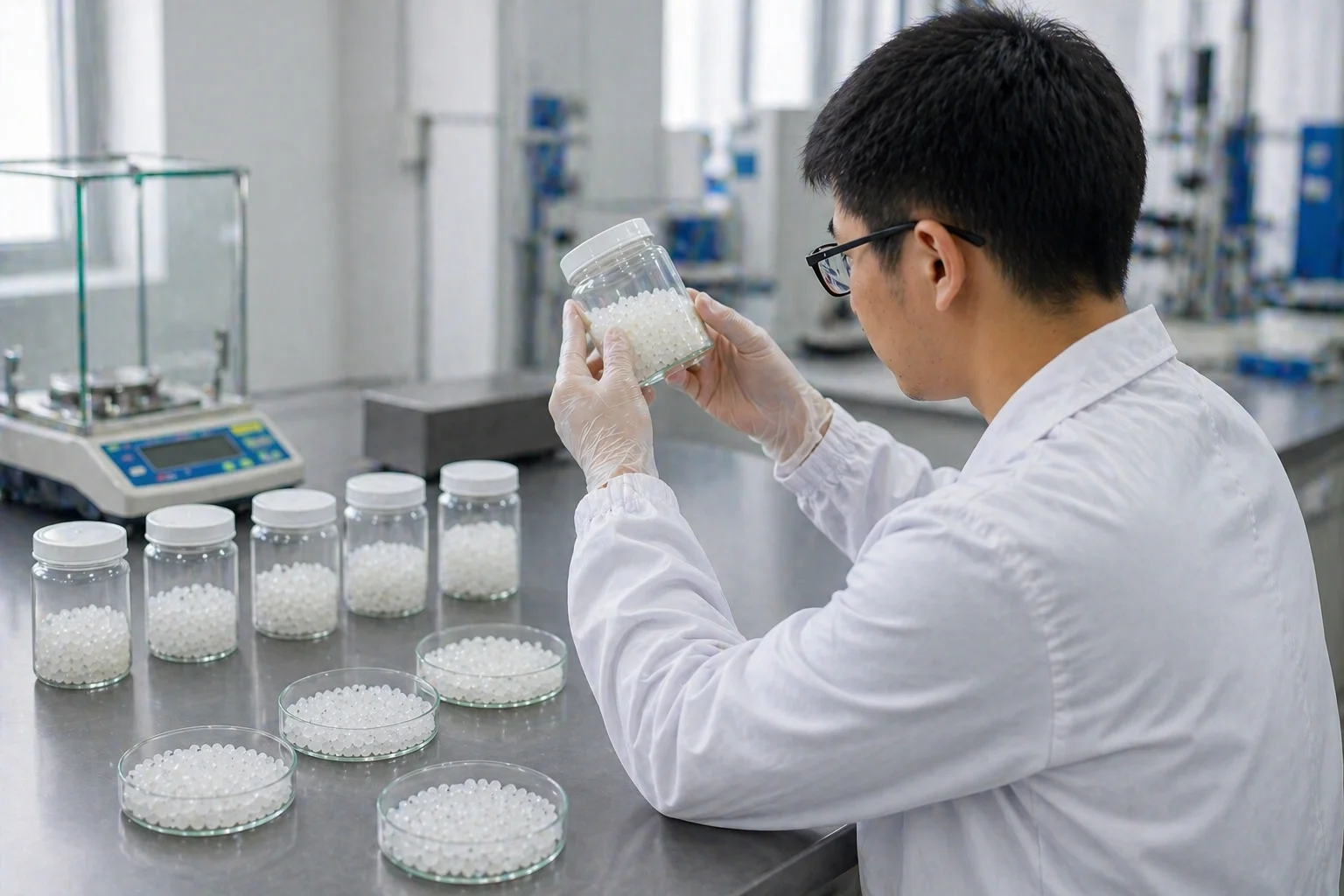
Verify viscosity, softening point, color and bonding performance before shipment.
FAQ
Start from the real substrate, application method, production rhythm and final-use condition. Then we can decide whether tack, flexibility, heat resistance, open time or clean application is the priority.
Please provide special substrate and target performance, application temperature, glue method, target performance, current failure mode and photos or videos of the process if available.
One general grade may cover simple cases, but difficult substrates, visible glue positions, heat exposure or special process windows usually need a more targeted grade.
We compare sample performance with real equipment parameters, then adjust viscosity, open time, setting speed, tack and thermal stability around the actual process.
Yes. For non-standard requirements, we define the test target first, provide samples, collect feedback and iterate the formula toward a scalable solution.
Tell us your special substrate and target performance, application method and use environment. We will help match a more suitable custom hot melt adhesive solution.