


01
Formula Design
Design adhesive architecture around substrate, application method and performance targets.
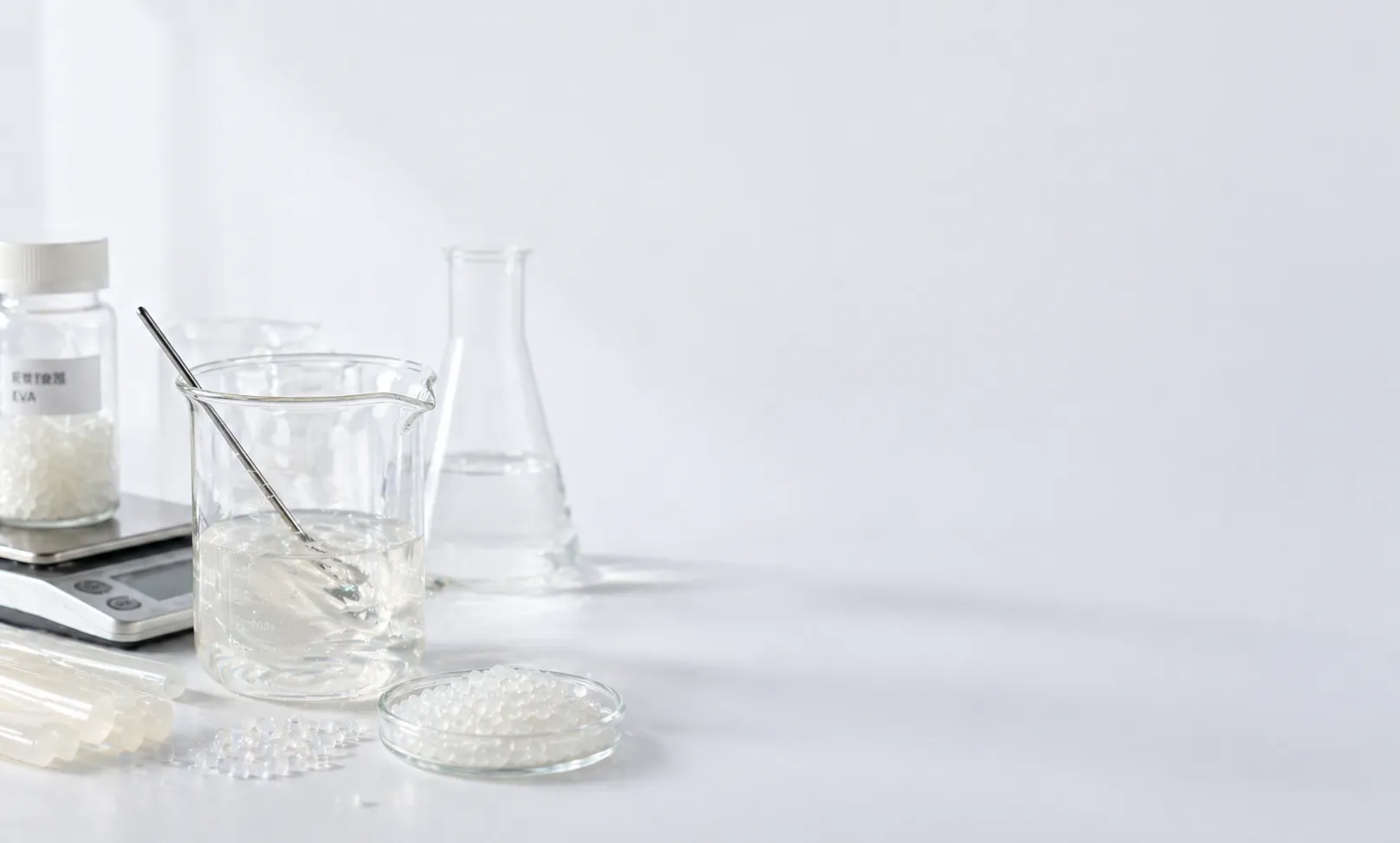
Formula and Process Capability
Hot melt adhesive performance is not determined by a single raw material, but by the combined effect of polymers, tackifier resins, waxes, additives and production processes. We start from application requirements and balance bonding, flow, setting, heat resistance and long-term stability.
01
Design adhesive architecture around substrate, application method and performance targets.
02
Control temperature, mixing, filtration, forming and cooling to ensure batch stability.
03
Verify formulation reliability through viscosity, softening point, strength, heat and aging tests.
Formulation Logic
Formulation is not about maximizing a single property, but balancing multiple indicators. Every application scenario requires trade-offs between strength, open time, setting speed, heat resistance, flexibility, appearance and process stability.
Material System
We do not disclose suppliers, ratios or specific formula parameters. Instead, we build development logic around functional systems, so every project returns to actual substrates, equipment conditions and on-site targets.
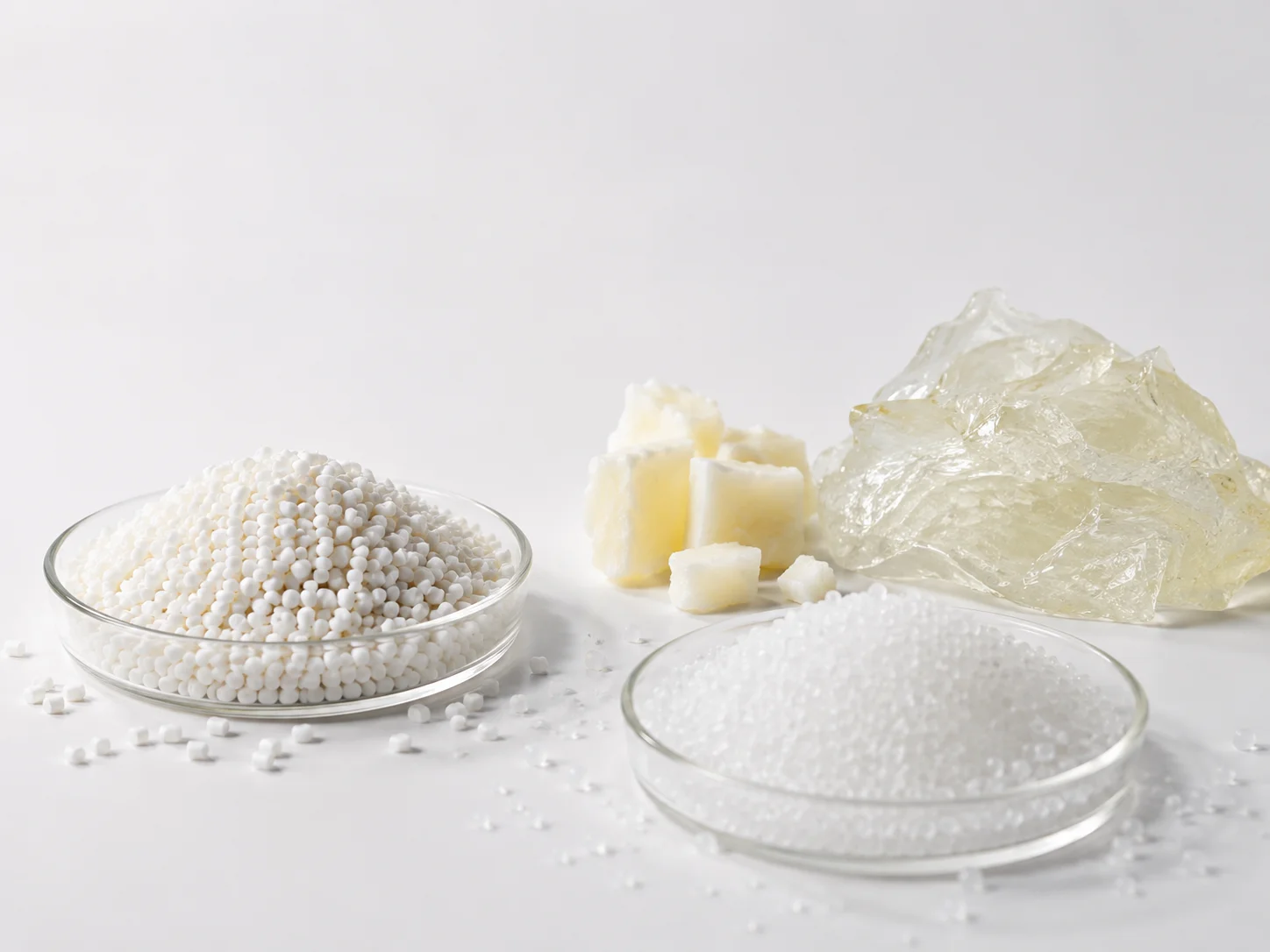
Determines base strength, flexibility, cohesive strength and heat resistance. Used to adjust toughness, tensile strength, low-temperature performance and structural support.
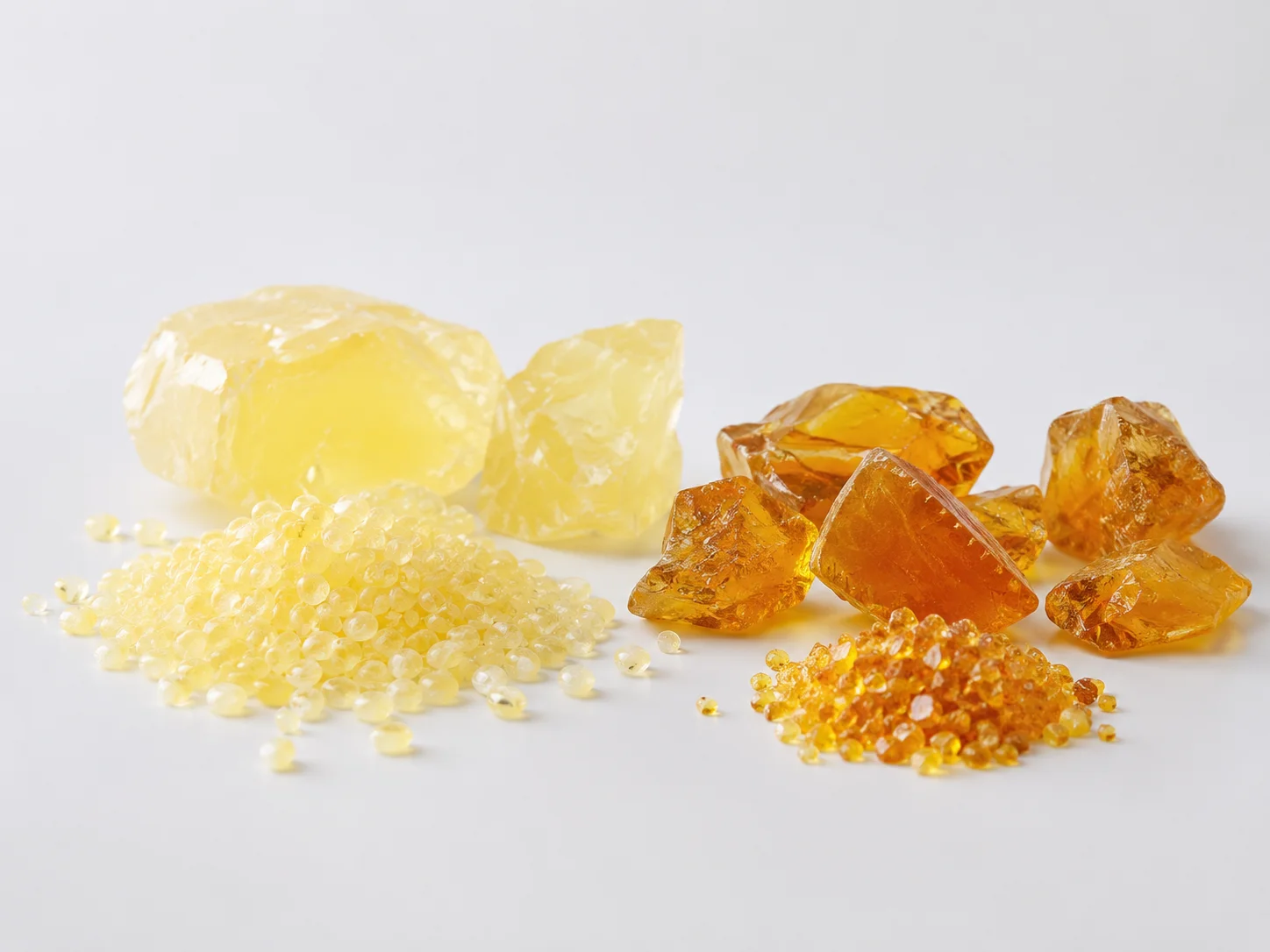
Affects initial tack, wetting, open time and substrate gripping ability. Helps improve bonding performance on paper, plastic film, fabric, wood and other surfaces.
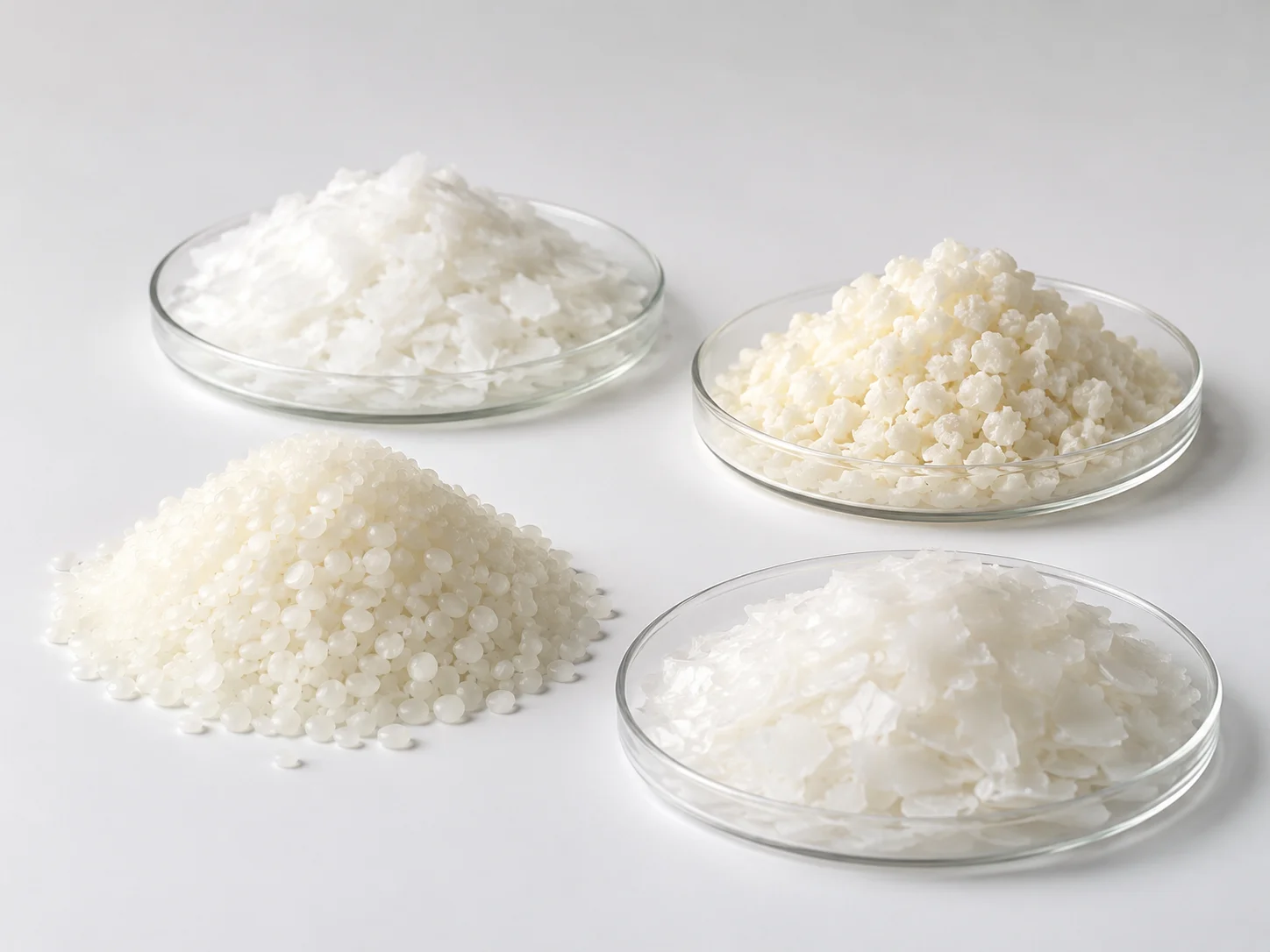
Adjusts melt viscosity, setting speed, open time and surface condition. Improves fast-drying, glue flow smoothness and production rhythm matching.
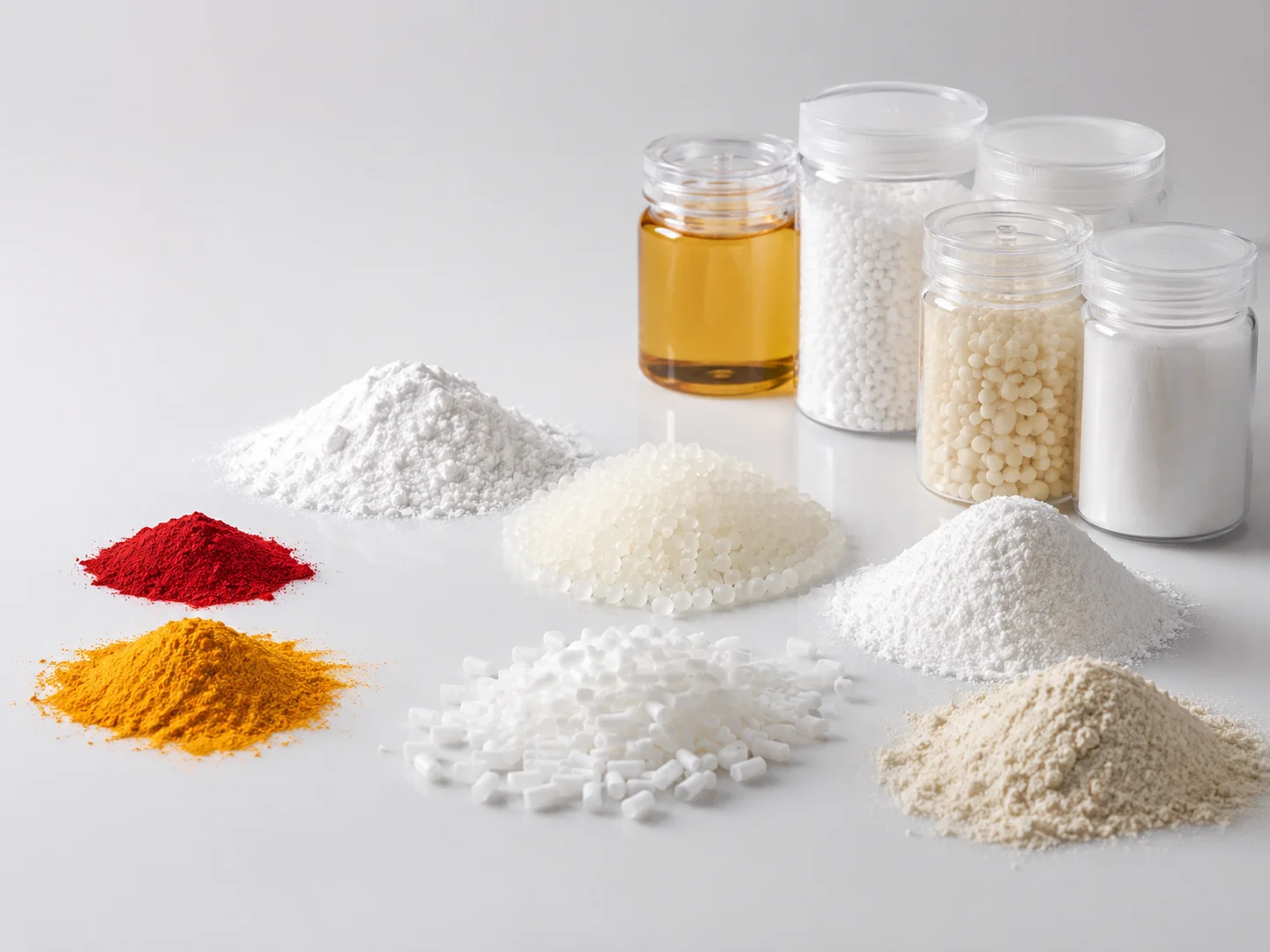
Improves antioxidant, thermal stability, color stability, processing stability and special performance requirements. Suitable for continuous production and custom projects.
Production Process
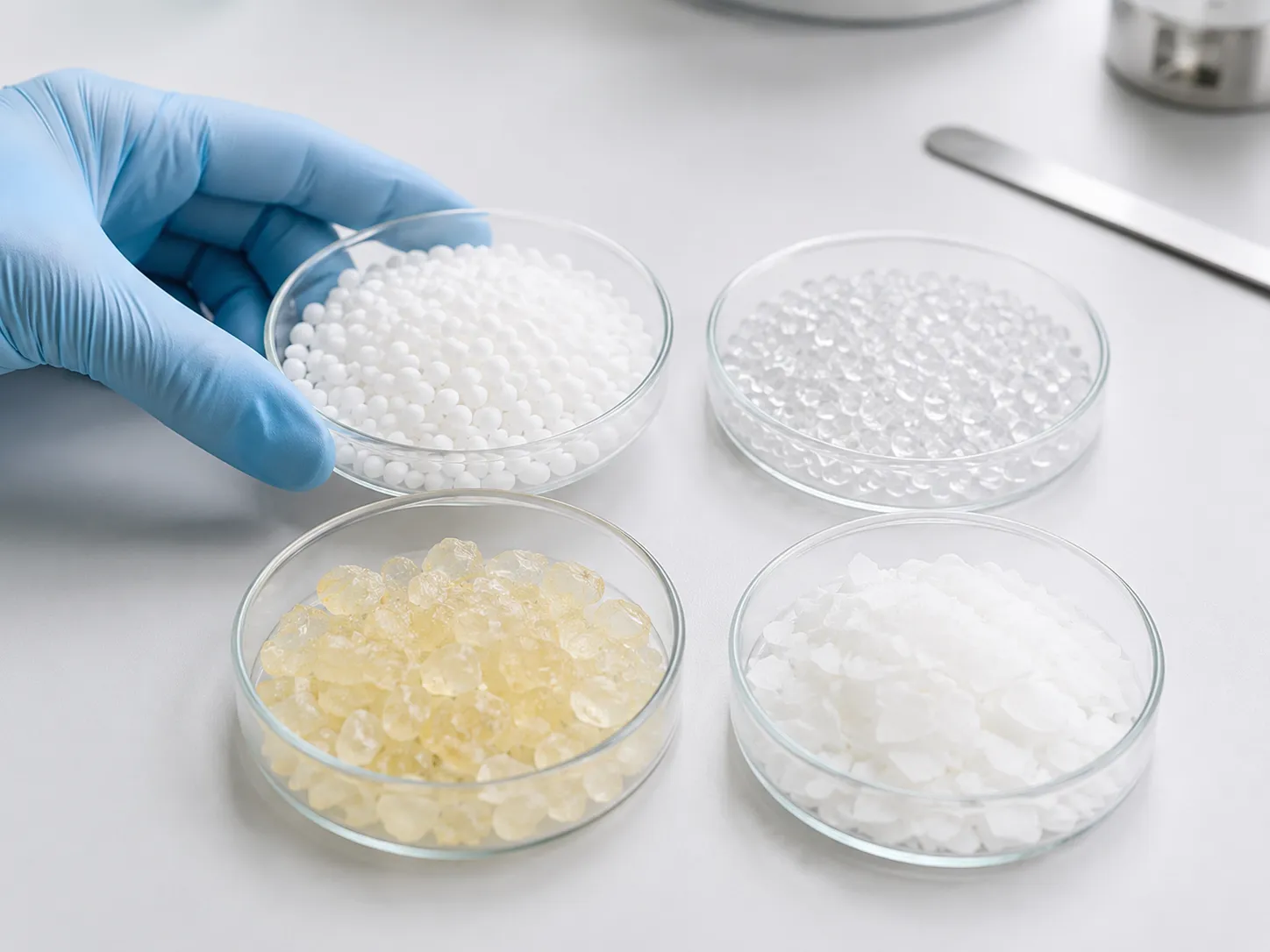
01
Confirm raw material type, batch, appearance and testing status to reduce material variation.
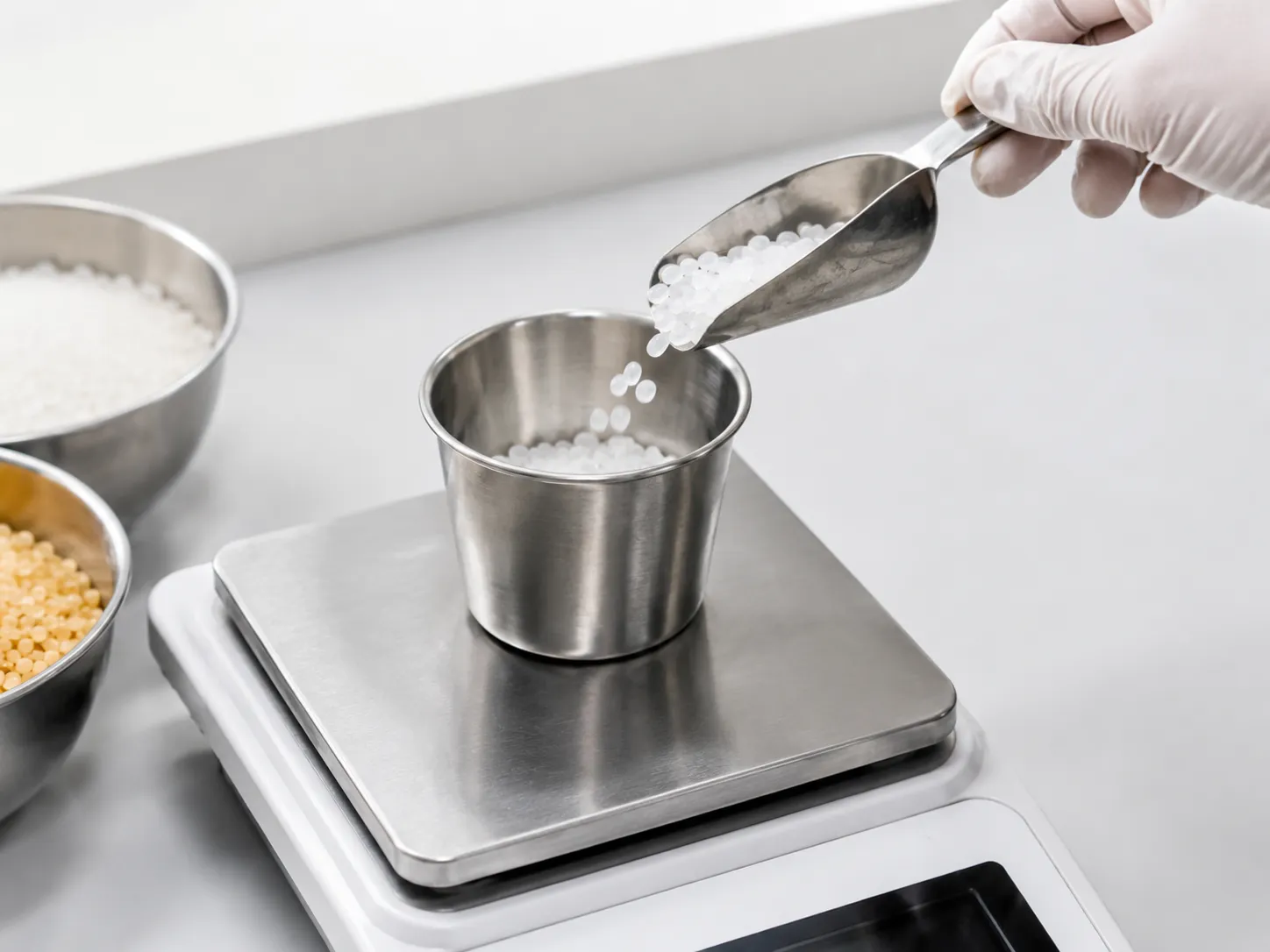
02
Weigh key components according to development plan and batch standards to reduce human error.
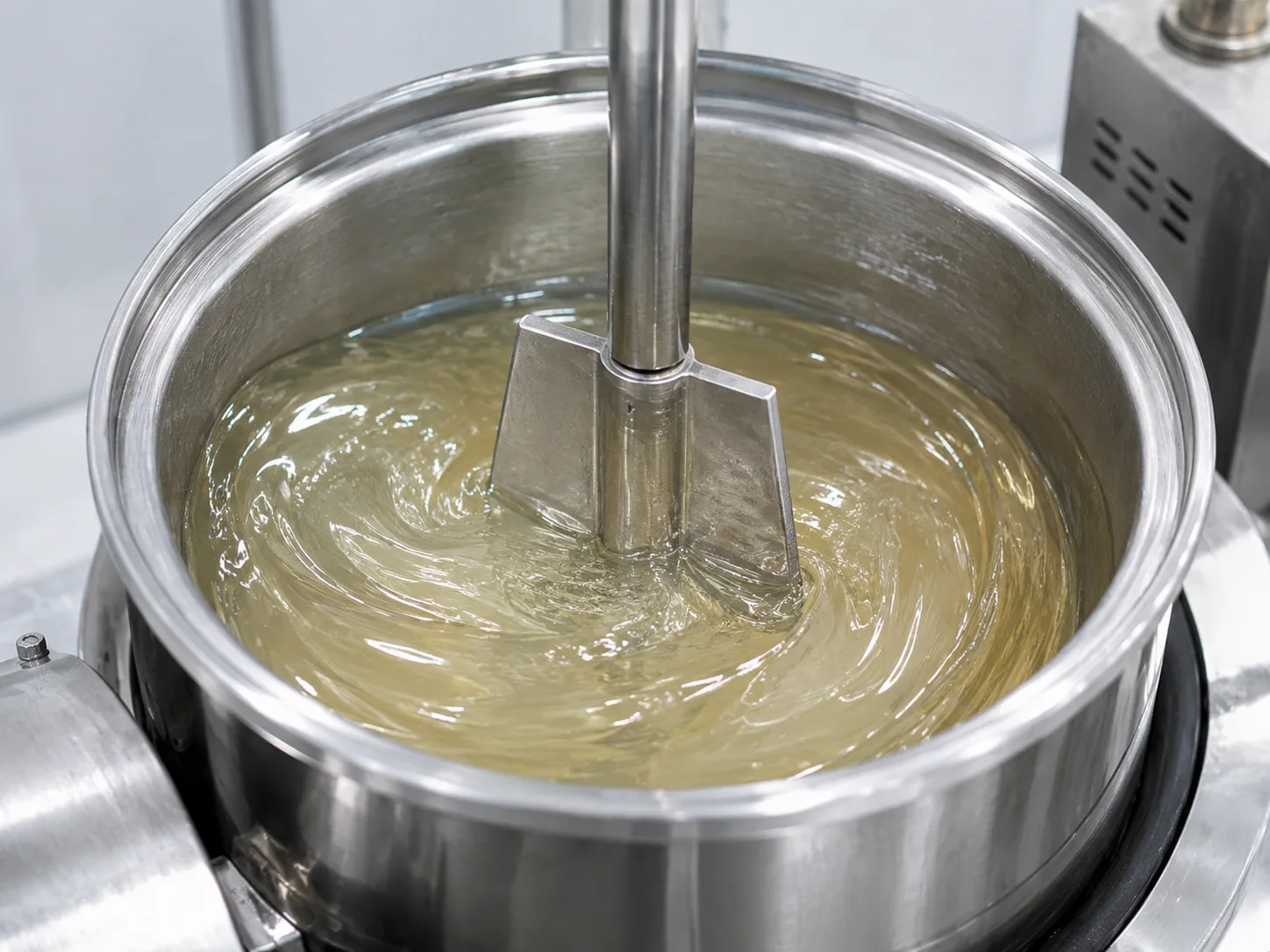
03
Control temperature, time and mixing uniformity to ensure full system integration.
04
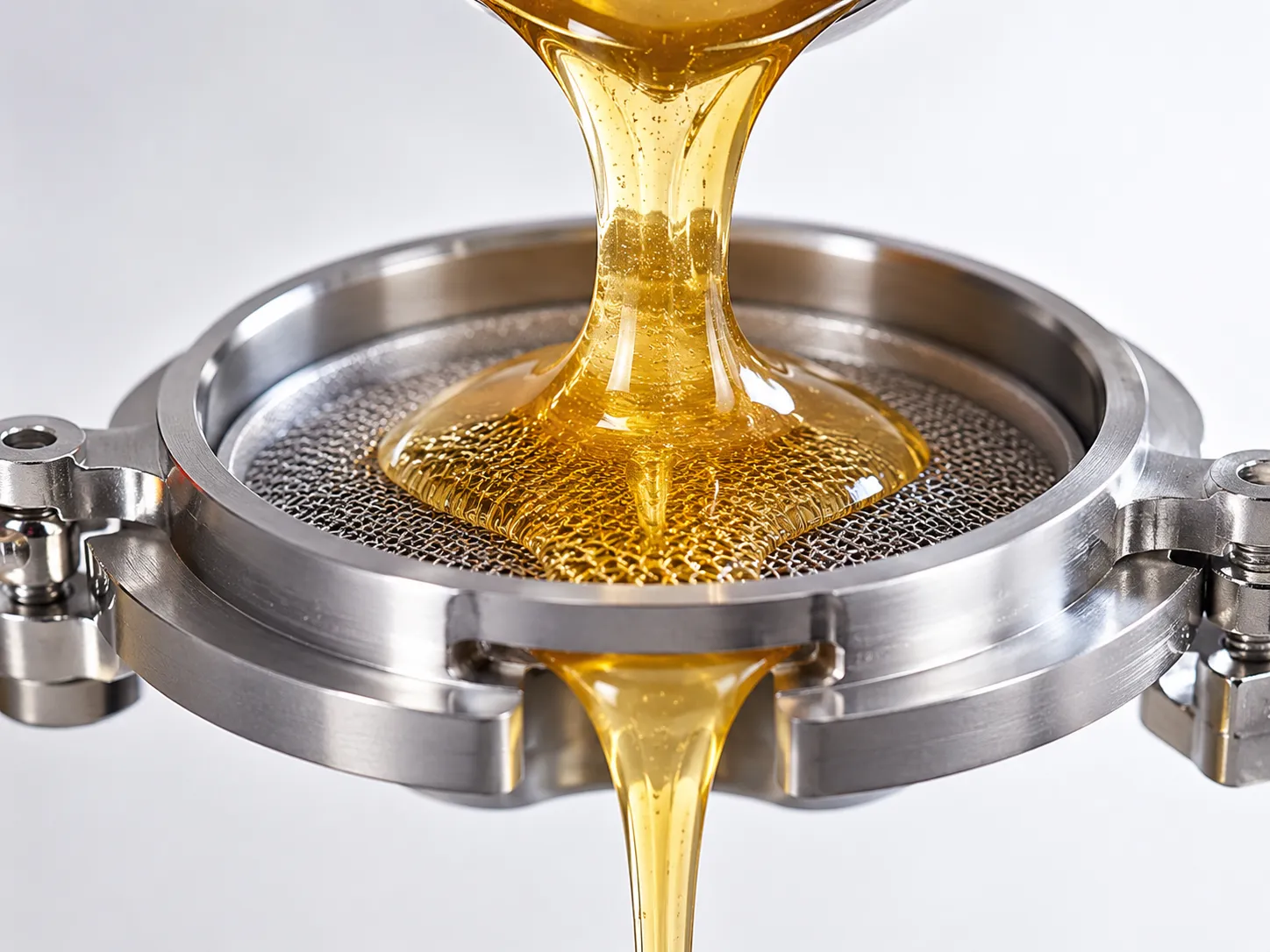
Reduce bubbles, impurities, charred particles and unmelted granules to improve glue output stability.
05
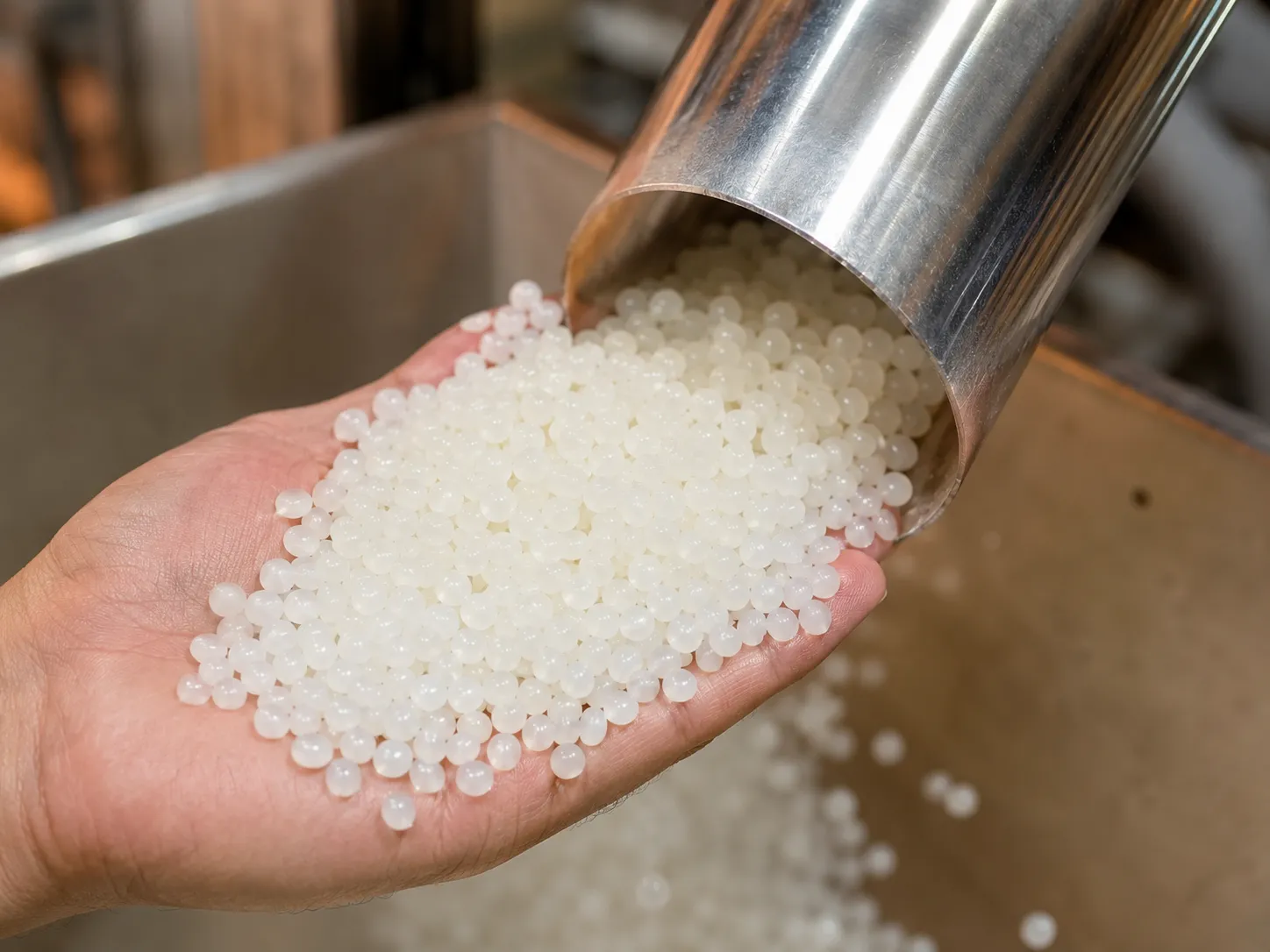
Control discharge rhythm, size and surface condition according to product form.
06
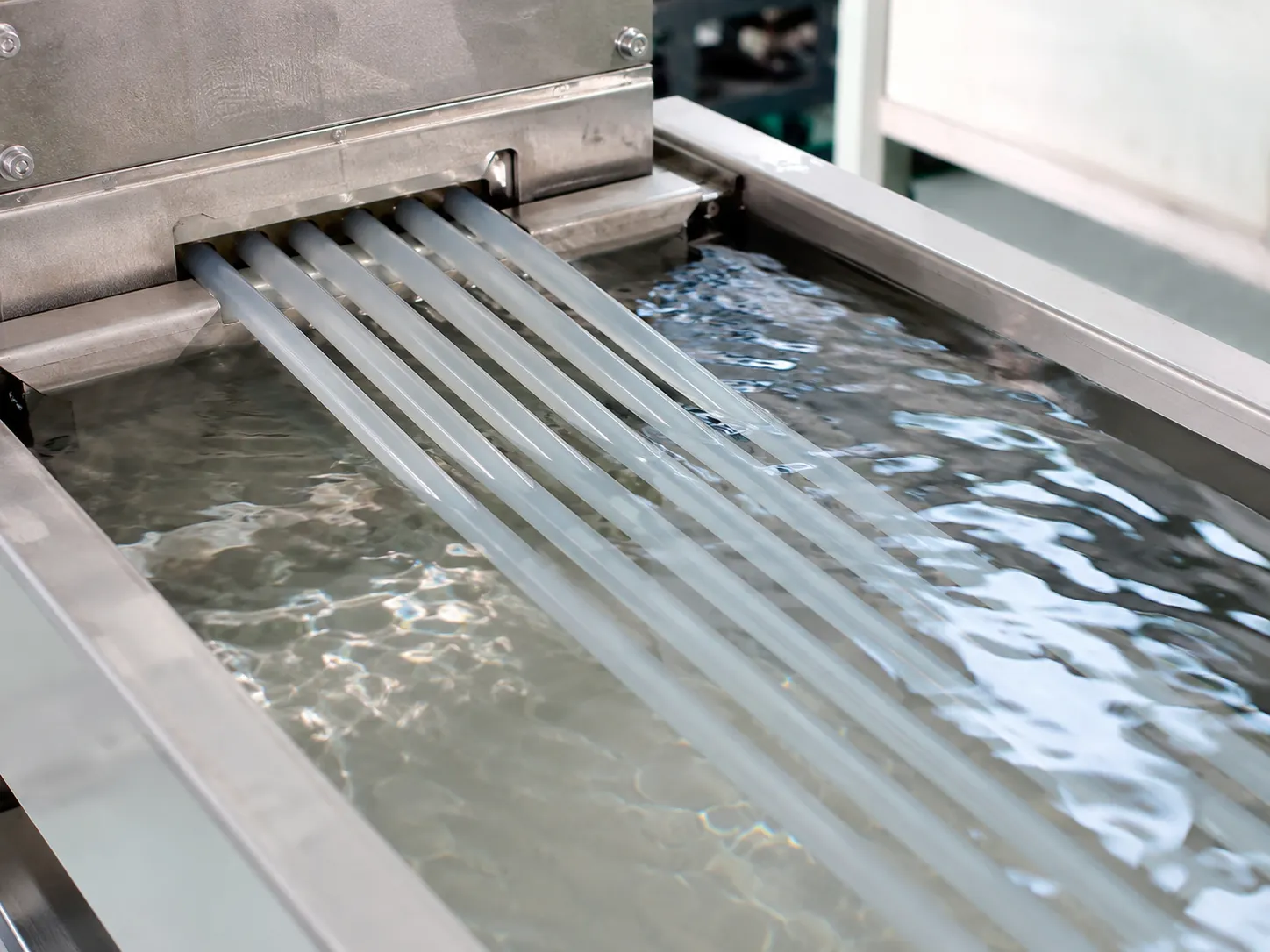
Control cooling speed and forming state to reduce shrinkage, deformation, whitening or sticking.
07
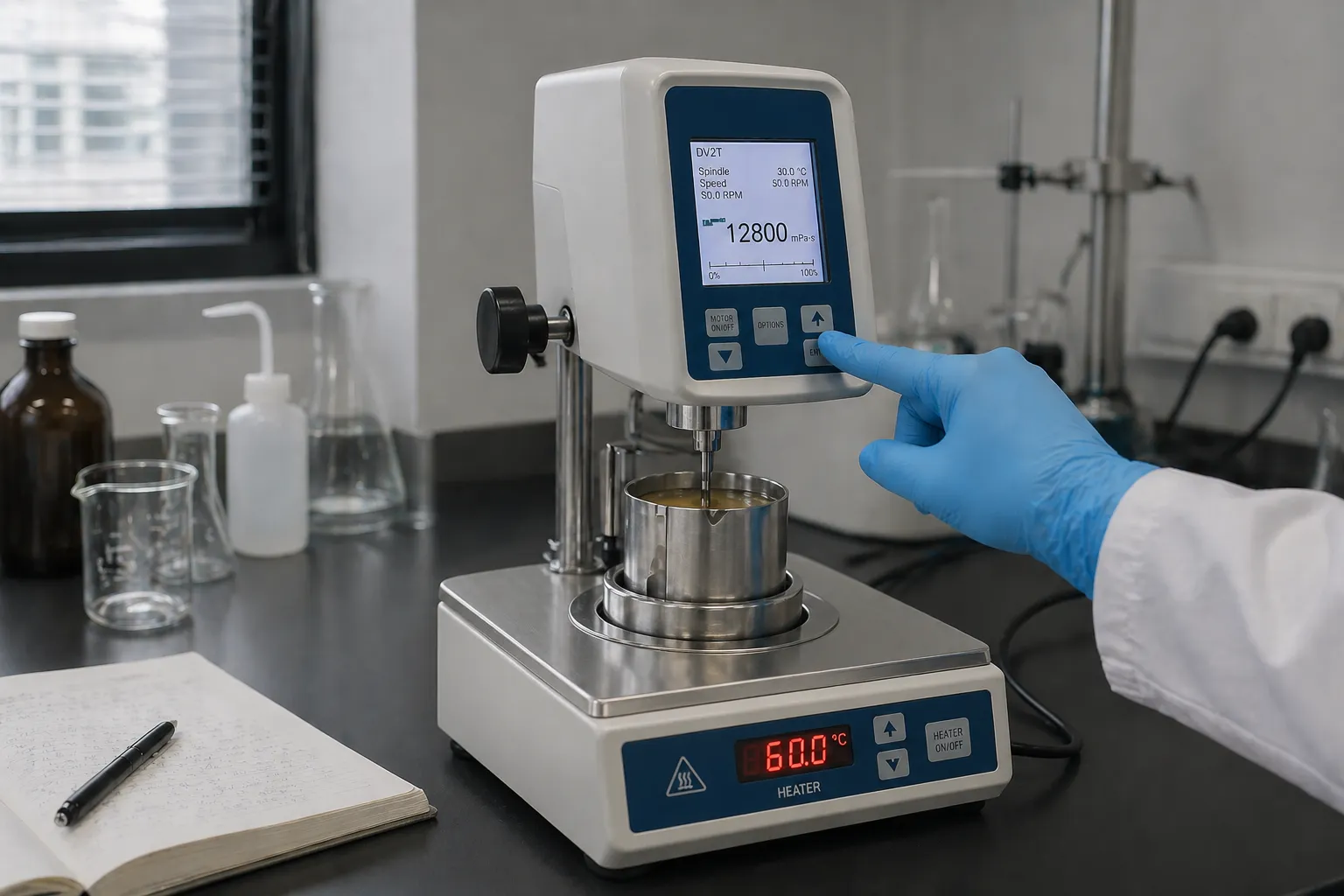
Test viscosity, softening point, appearance, color and application performance to confirm consistency.
08
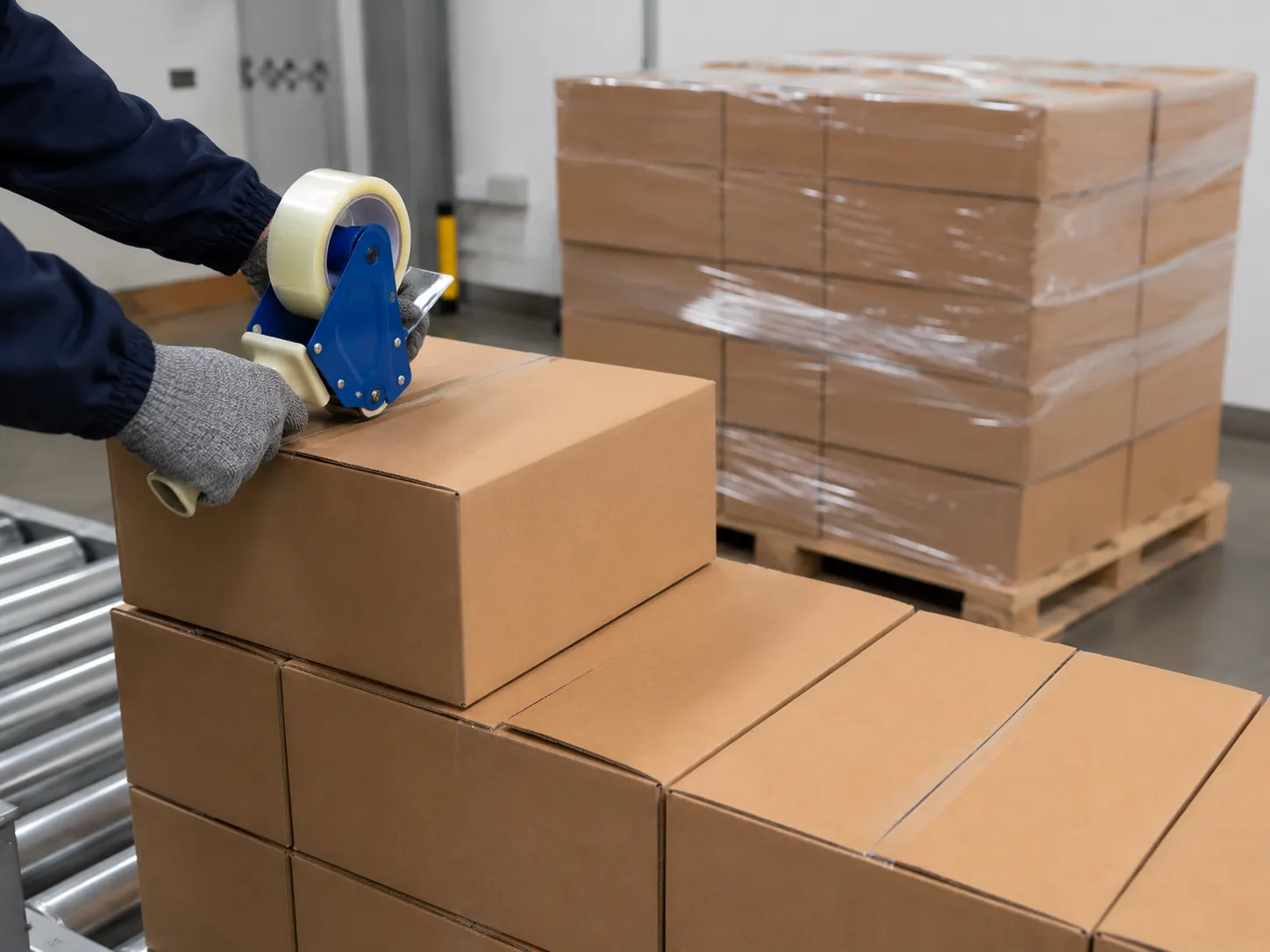
Pack according to specifications and record batch information for traceability and delivery management.
01
Confirm raw material type, batch, appearance and testing status to reduce material variation.
02
Weigh key components according to development plan and batch standards to reduce human error.
03
Control temperature, time and mixing uniformity to ensure full system integration.
04
Reduce bubbles, impurities, charred particles and unmelted granules to improve glue output stability.
Performance Testing
Testing is not a formality; it confirms whether the adhesive model fits the real-world application. We combine laboratory indicators with customers actual substrates to make adjustment directions more verifiable and mass production introduction more stable.
Explore Our Performance Testing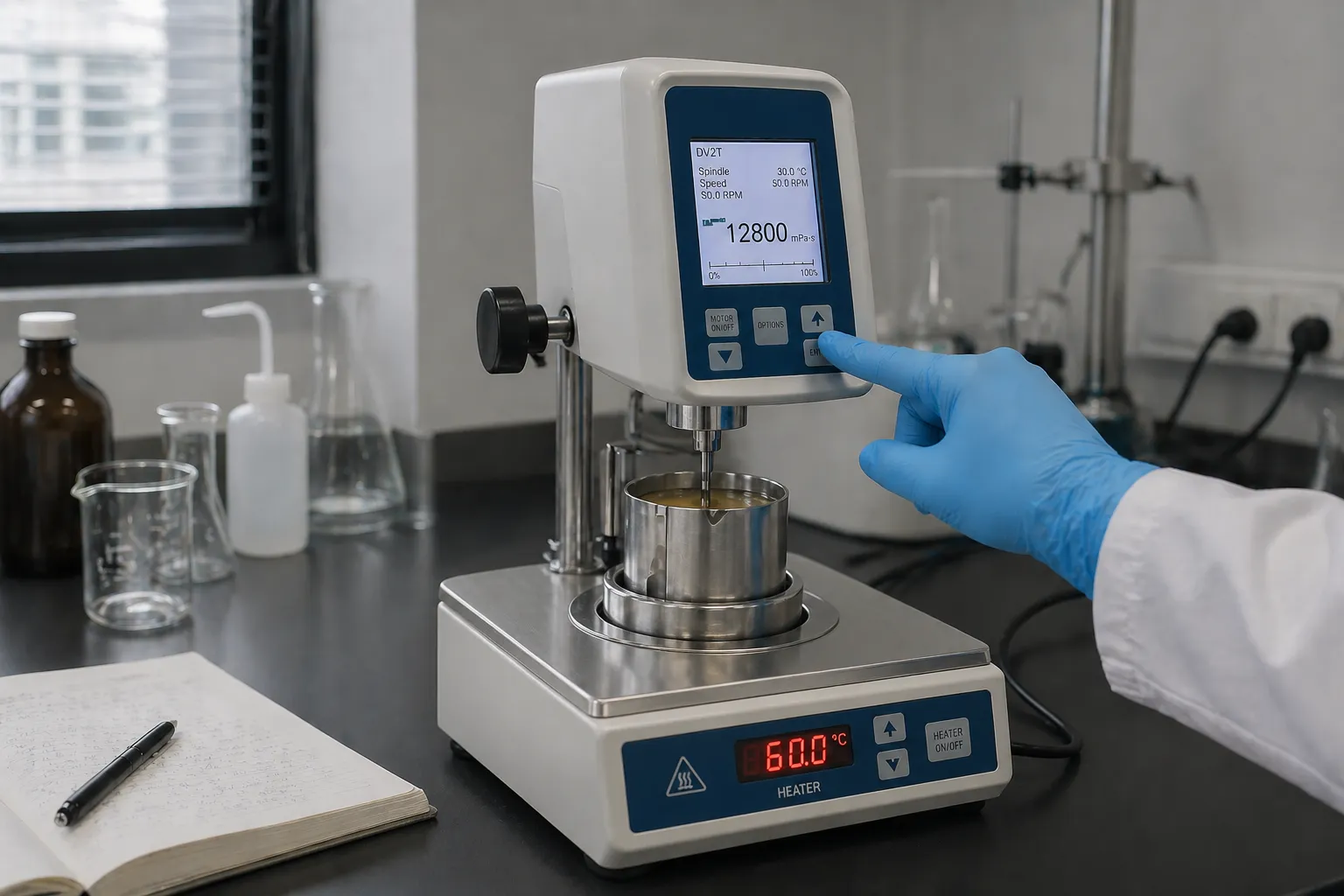
Application Direction
Customization is not about randomly changing formulas. It starts from substrates, equipment, usage environment and target test requirements, judging which performance must be prioritized and which indicators need balancing.

Provide substrate samples, application method, equipment temperature, production rhythm and target testing requirements. We can evaluate formulation direction based on actual working conditions and provide verifiable, adjustable hot melt adhesive solutions.